Biography
Pontianus of Spoleto
About Pontianus of Spoleto
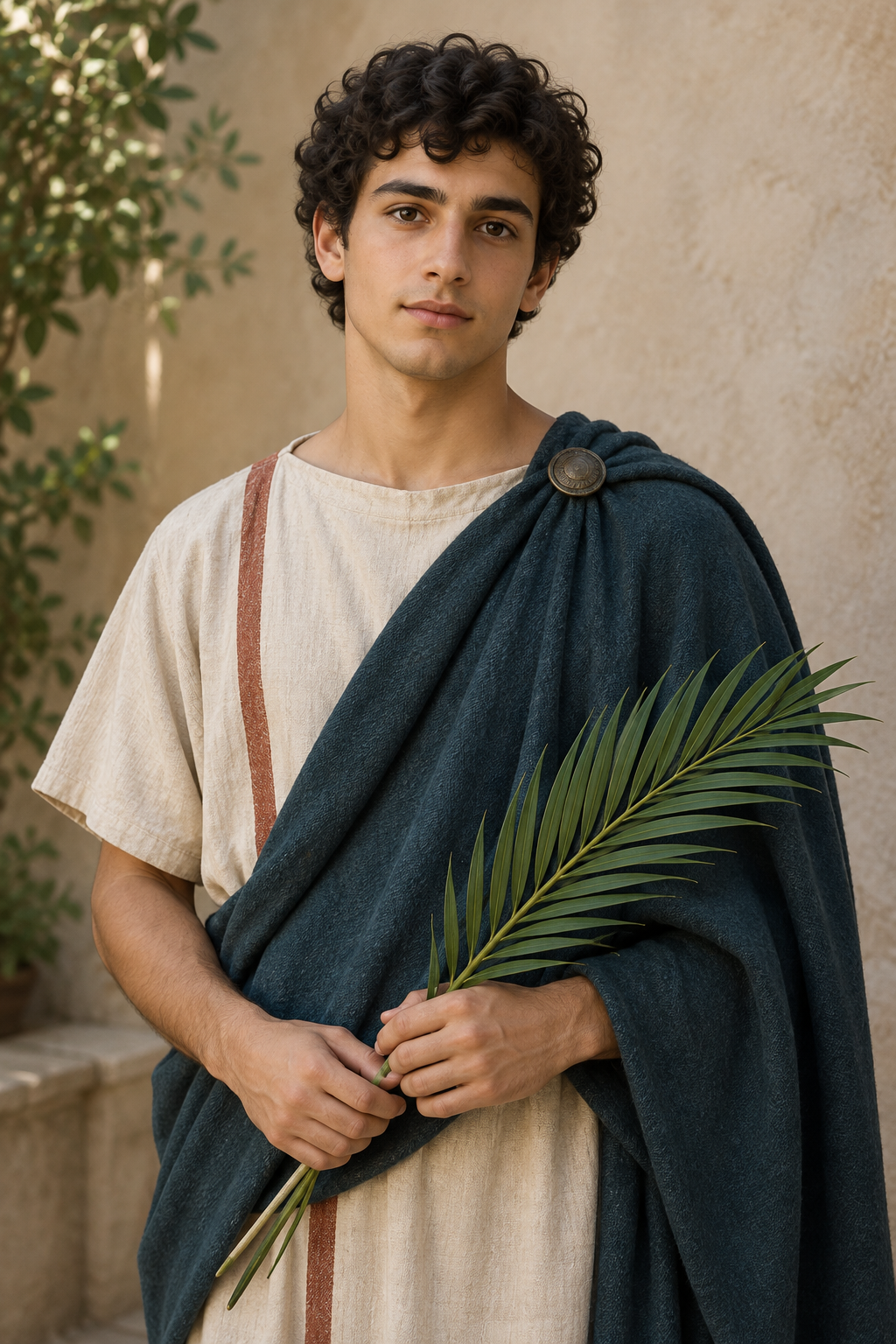
Pontianus, called Ponziano in Italian, is honored as the patron martyr of Spoleto and its archdiocese. The local church describes him as a young man from a noble family who refused to abandon Christianity. It places his death in 175, while expressly presenting this account as hagiographical tradition.
His Passion gives the fuller story. A judge named Fabianus demands sacrifices to the gods. Pontianus refuses, endures repeated punishments and remains steadfast. The narrative includes a walk over burning coals, lions made gentle and an angel bringing food to his prison. Finally, the judge orders his beheading. Christians recover his body at night from the place called the Bloody Bridge and bury it near the city walls. These episodes are the Passion’s account of his witness.
The text is much later than the persecution it describes. Matteo Pignot’s scholarly record dates its composition no later than the ninth century and identifies its earliest surviving manuscript as ninth- or tenth-century. Earlier scholars proposed a fifth- or sixth-century date, but that dating has been challenged. The Passion may borrow from the account of Concordius, itself probably composed in the eighth or ninth century.
Devotion carried his name beyond Spoleto. The archdiocese records the transfer of relics to Utrecht in 966 and his adoption there as a co-patron. It also describes his later invocation against earthquakes, associated especially with the 1703 disaster.
His feast remains a public expression of local faith. In a homily at Spoleto on 14 January 2006, Cardinal Angelo Sodano honored the young martyr’s fidelity and recalled the traditional answer that his Christian identity mattered more than his given name.
Wondering how to weigh the stories and sources? Learn how to read a saint biography.