Biography
Pope Anicetus
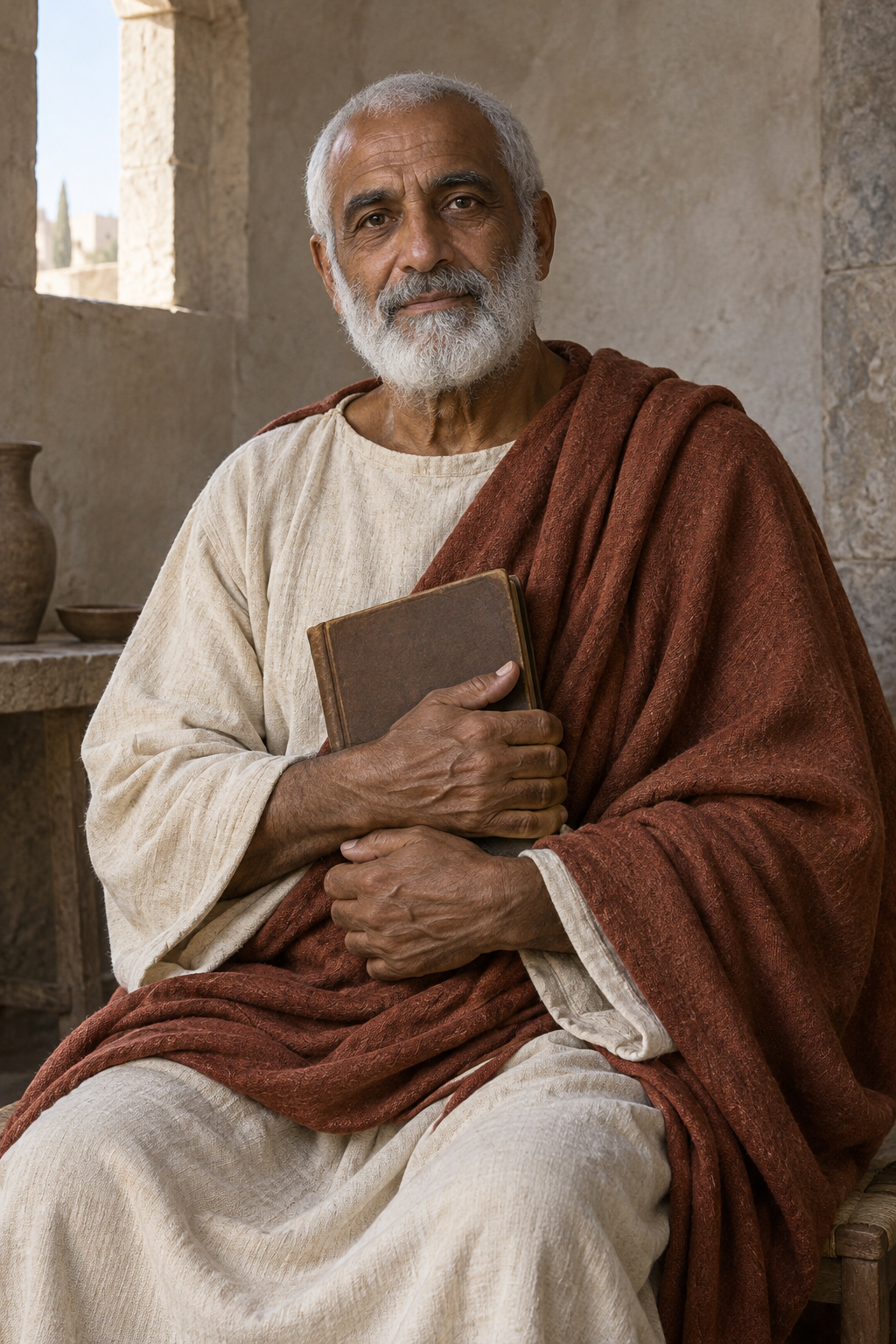
About Pope Anicetus
Anicetus was the bishop of Rome who succeeded Pius in the second century. The Catholic Encyclopedia places his leadership approximately between 157 and 168, while acknowledging that the chronology cannot be established exactly. The uncertainty is substantial: early calculations of his tenure and the dating of Polycarp’s death do not fit neatly together.
The most firmly remembered episode of his life is a meeting with Polycarp of Smyrna. The Dictionary of Christian Biography identifies this as the single reliable individual episode in the surviving record. Polycarp came to Rome hoping to persuade Anicetus to adopt the practice followed in his own community. Their disagreement concerned the observance associated with Easter.
The custom associated with Polycarp followed the fourteenth day of the Jewish month of Nisan, regardless of the weekday. Rome followed a different custom associated with Sunday. Each bishop appealed to the tradition he had received, and neither persuaded the other to change.
Irenaeus’s recollection, preserved by Eusebius, gives the encounter its enduring importance. Anicetus and Polycarp maintained communion despite their disagreement. Anicetus invited Polycarp to preside at the Eucharist as a sign of respect. They then parted peacefully. The account remembers a disagreement that did not destroy their shared fellowship.
Anicetus also lived amid the lively theological exchanges of second-century Rome. The New Catholic Encyclopedia notes the presence of Hegesippus and Justin, as well as Valentinus’s continued activity. Its account treats later claims about Anicetus’s Syrian origin and martyrdom as uncertain. The surviving burial traditions also disagree, naming both the Vatican and the cemetery of Callistus.
A later rule about clerical hair was attributed to him, but a letter circulating under his name on that subject is regarded as forged. It therefore cannot be used as his own testimony. His clearest surviving legacy remains the cordial meeting with Polycarp, where a difference in inherited observance coexisted with Eucharistic fellowship.
Wondering how to weigh the stories and sources? Learn how to read a saint biography.