Biography
Pope Boniface I
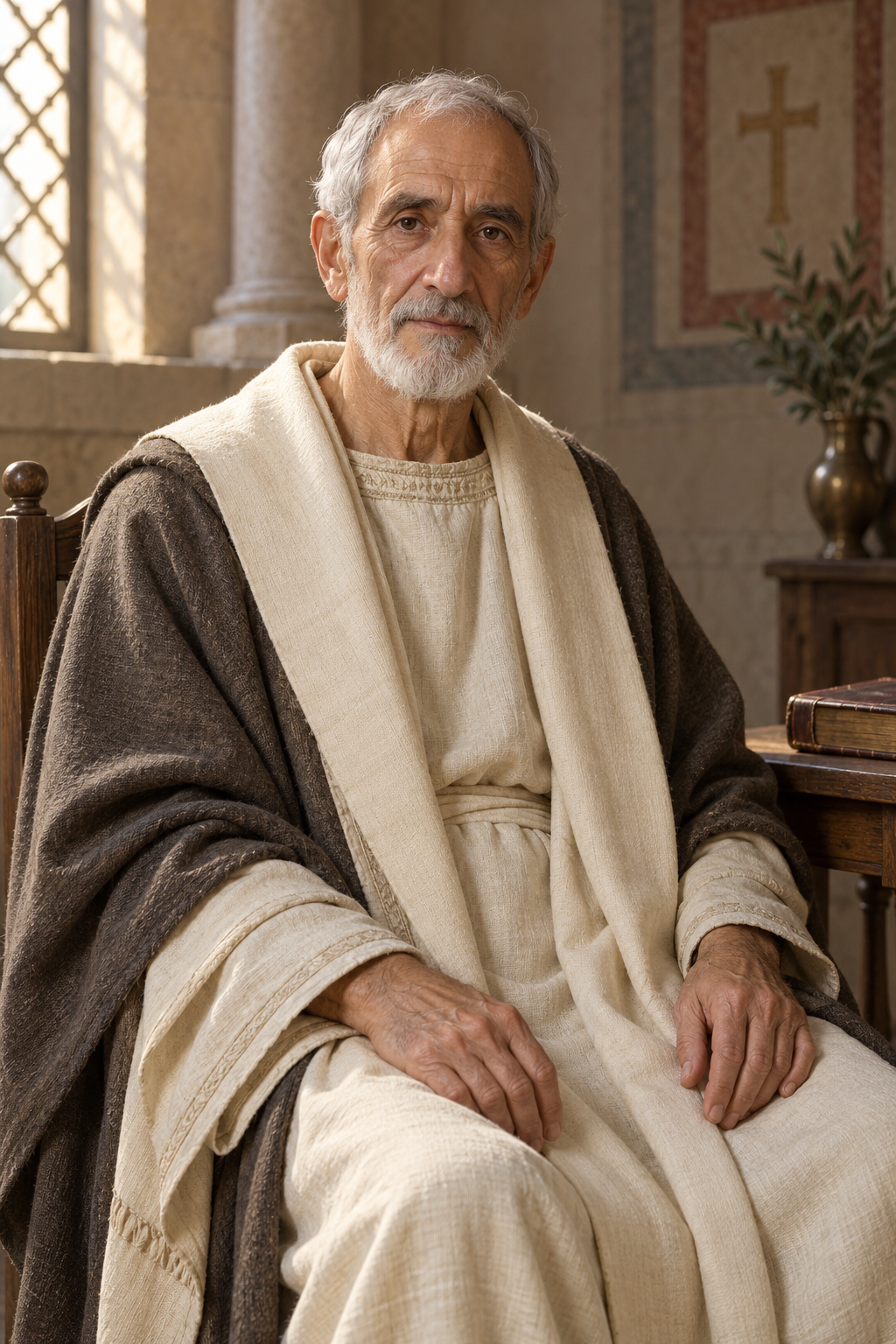
About Pope Boniface I
Boniface I became bishop of Rome in 418, already an elderly priest. He was Roman-born, the son of a priest named Iocundus, and had served several times as an envoy to Constantinople during Innocent I’s pontificate. His short pontificate involved a contested Roman election and disputes involving churches across Africa, Gaul and the eastern provinces.
The election followed the death of Pope Zosimus. A group led chiefly by deacons occupied the Lateran and chose the archdeacon Eulalius. Other clergy, prevented from entering, gathered at the church of Theodora and elected Boniface on 28 December. The Catholic Encyclopedia describes him as reluctant to accept, with a reputation for charity, learning and good character. On 29 December both candidates were consecrated. Boniface’s ceremony took place at Saint Marcellus, while Eulalius held the Lateran. The divided clergy and rival ceremonies left Rome with two men claiming the same office.
The conflict required imperial intervention. Both claimants were eventually ordered to remain outside Rome while bishops considered the dispute. The bishop of Spoleto was appointed to conduct the approaching Easter services. Eulalius returned against the order and attempted to control the celebrations, provoking renewed disorder. Honorius then recognized Boniface, who returned to the city. The settlement combined imperial authority with support inside the church.
An illness soon raised fears that the conflict could begin again. Boniface wrote to Honorius on behalf of the clergy, asking for measures to preserve peace if he died. The emperor’s response provided that, if another double election occurred, neither claimant would be recognized and a fresh election would be required. Boniface had survived the immediate division, but securing an orderly succession remained a practical concern.
In Africa, he inherited a difficult dispute over the priest Apiarius of Sicca. A letter sent to Boniface by the council at Carthage in 419 explains that Apiarius’s ordination, excommunication and appeal had caused a scandal extending beyond his own community. After asking pardon, he was readmitted to communion. The bishops nevertheless removed him from service at Sicca while allowing him to retain priestly rank and serve elsewhere. They presented this arrangement as protection for the church’s future peace. Papal legates who had attended the council were to carry the account back to Rome.
The case of Antonius of Fussala brought another difficult African appeal. Augustine later told Boniface’s successor, Celestine, that Antonius had oppressed his people and taken their property. Local bishops had restricted his authority while retaining his episcopal rank. Antonius obtained a favorable recommendation to Boniface, but the pope’s response was expressly conditional on the truth of the account supplied to him. Writing after Boniface’s death, Augustine asked Celestine to examine the fuller record and protect the community. The letter preserves both the limits of information reaching Rome and the consequences a decision could have for people living under a bishop’s authority.
Boniface’s relationship with Augustine also had a warmer, personal side. At the beginning of Against Two Letters of the Pelagians, Augustine explains that he first knew Boniface through reports of his reputation. Alypius’s visit then brought a more intimate account of the pope’s kindness and hospitality. Augustine praised his willingness to return friendship without allowing the height of his office to create distance. Boniface had given Alypius two hostile letters to bring to Augustine, who answered them in a work addressed to the pope for examination and correction. This exchange joined personal trust to a shared responsibility for teaching. Augustine’s opening chapters frame the reply as pastoral care for Christians who might be misled by the writings under discussion.
Church government occupied much of Boniface’s remaining attention. In Gaul, he insisted that the bishop of Valence should answer allegations before a gathering of Gallic bishops. In the dispute over Lodève, he defended the authority of the metropolitan of Narbonne against the wider jurisdiction previously granted to Arles. In eastern Illyricum, he upheld the role of Rufus of Thessalonica as Rome’s representative. Bishops were to work through Rufus, while retaining the ability to bring complaints about him to Rome. He resisted efforts to redirect Illyrian appeals toward Constantinople and sought Honorius’s support when Theodosius favored a different arrangement. He also opposed assemblies held without Rufus’s consent, making the representative’s approval central to the disputed election of Perigenes at Corinth. He regarded Roman decisions as binding upon subsequent episcopal deliberations. These interventions show Boniface applying different arrangements to different regions, with particular care for the authority attached to episcopal sees and their established procedures.
Boniface died on 4 September 422. He was buried by the Via Salaria in an oratory associated with Saint Felicitas, although the exact position of his tomb is unknown. His Catholic feast is kept on 4 September. The surviving picture combines a kindly elderly priest with a pope repeatedly required to decide disputes about authority, discipline and communion.
Wondering how to weigh the stories and sources? Learn how to read a saint biography.