Biography
Pope Cornelius
About Pope Cornelius
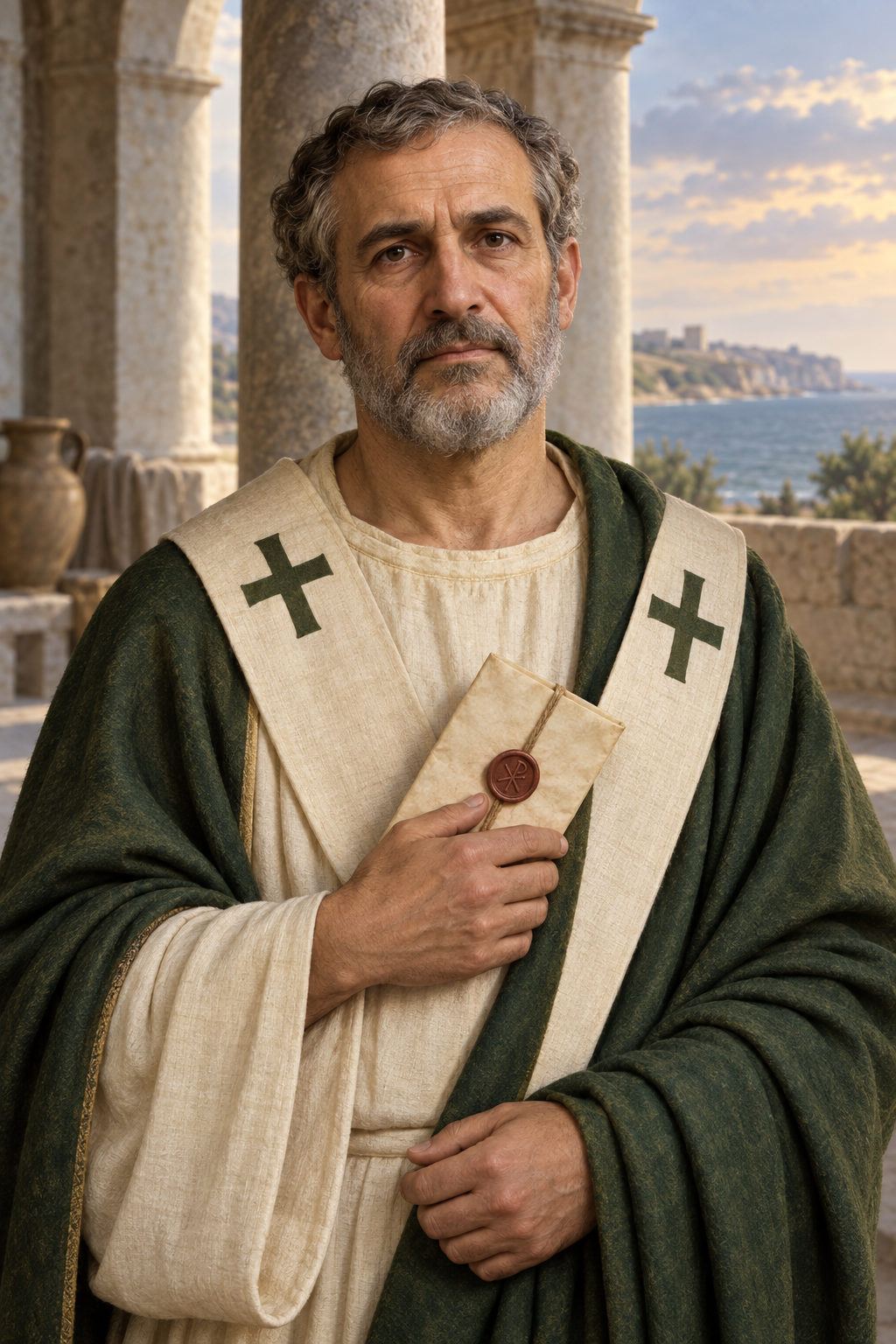
Cornelius became bishop of Rome in March 251, after the death of Fabian and a prolonged vacancy during the persecution under Emperor Decius. The Holy See gives two possible March election days and records Rome as Cornelius's birth place, but supplies no birth year. The New Catholic Encyclopedia explains why the choice had been delayed: the Roman community had faced serious pressure, and clergy had governed in the interval. Cornelius entered office with questions about how to care for people who had denied the faith and later sought to return. His biography begins most securely with this contested public ministry. Stories of noble ancestry or a detailed youth are less secure than the contemporary letters and catalog records that place him in office.The problem of the lapsed divided Christians in Rome and elsewhere. Novatian, a Roman priest, opposed restoring those who had yielded under persecution and became a rival bishop. Cornelius and Cyprian of Carthage took a different course: repentance and ecclesial reconciliation were possible, though not a declaration that every case needed no discernment. The New Catholic Encyclopedia reports a Roman synod in 251 that supported restoration and rejected Novatian's rival claim. Cyprian's letters, written close to these events, discuss both the dispute and the need for an assembly to consider the lapsed. This was a shared struggle across communities. Cornelius's role was substantial, but he did not settle it through a single private decree imposed without counsel.Cyprian also wrote to Cornelius after confessors who had sided with Novatian returned to the wider church. His Letter 46 celebrates their reconciliation and names several of those involved. Such correspondence gives the period a human scale: divisions affected named people, and restoration involved relationships as well as doctrinal statements. The New Catholic Encyclopedia notes that Cornelius communicated with other bishops, including Fabius of Antioch, about the Roman synod. It also reports surviving letters that illuminate the size and organization of the Roman Christian community. Those administrative details need not be turned into an inflated population claim or an invented portrait of Cornelius at work. The letters show a bishop coordinating with others under pressure.Imperial pressure returned during Cornelius's pontificate. Under Gallus he was exiled to Centumcellae, the coastal settlement now called Civitavecchia. The New Catholic Encyclopedia dates exile to 252 and death there to June 253; the Holy See gives only that month for the end of his pontificate. The profile therefore stores a month, not a guessed day. Vatican City State also connects his death with exile at Civitavecchia. The church honors Cornelius as a martyr, and Cyprian's praise contributed to that memory. Yet the early Depositio Martyrum does not list him, and the word martyr on his grave slab appears to be a later addition. Historians cannot reconstruct a particular execution or exact cause of death from these witnesses.The Catholic calendar now joins Cornelius and Cyprian on September 16. The two bishops died in different years and places, so the joint observance honors their shared witness rather than reporting one common death event. The inherited November 25 field arose from an older Roman notice that quotes Cornelius within someone else's story; it is not his own feast. The verified September 16 date is therefore the appropriate Catholic observance for this record. Cornelius's birthplace is recorded as Rome from the Holy See's list, and his death place retains the historical name Centumcellae alongside its modern name. The image's sealed letter suggests the surviving correspondence but claims neither a preserved likeness nor a documented scene. His response to division and repentance remains the strongest reason to remember his service.
Wondering how to weigh the stories and sources? Learn how to read a saint biography.