Biography
Pope Eleutherius
About Pope Eleutherius
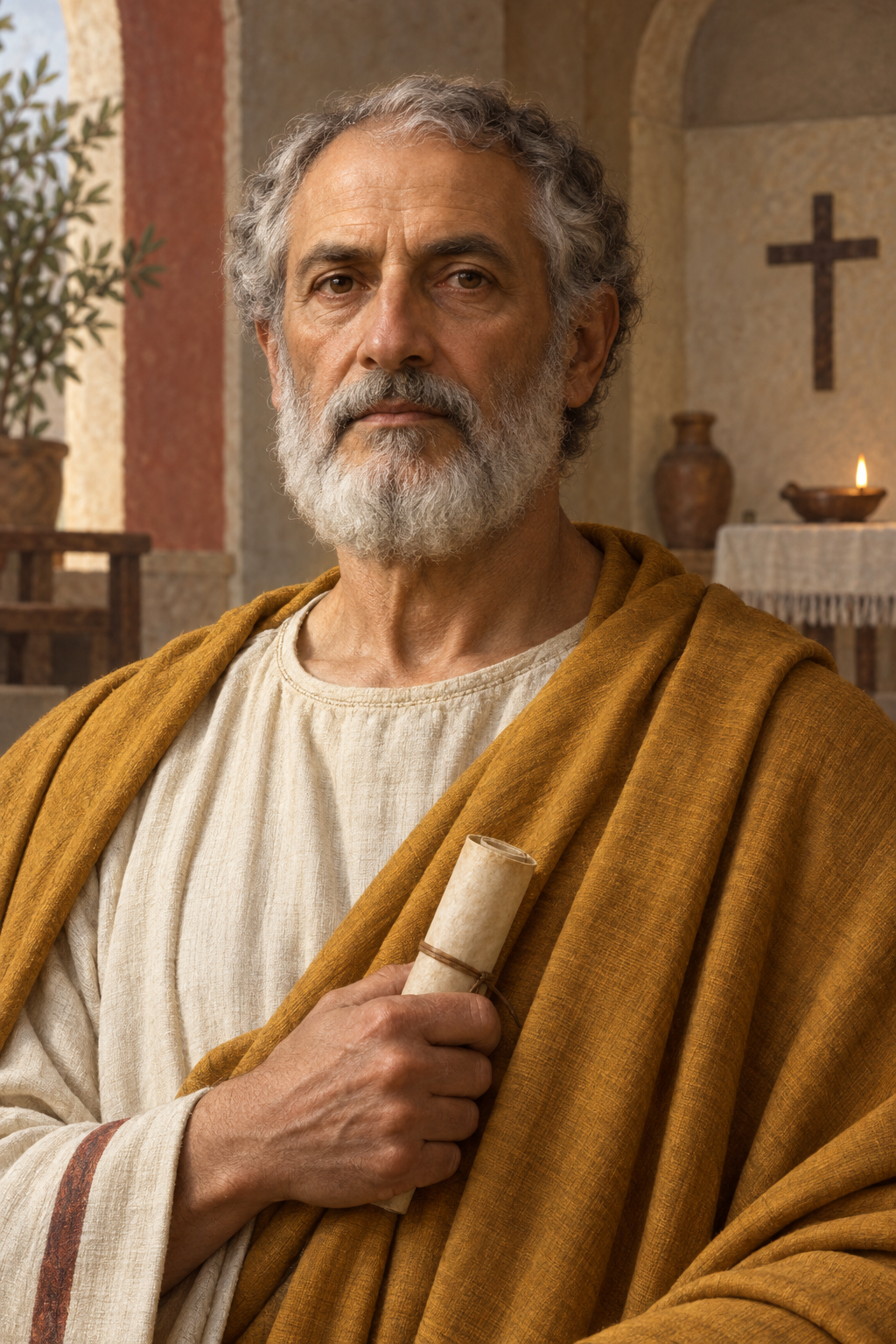
Eleutherius served as bishop of Rome in the late second century. The Holy See's list allows more than one beginning and ending year, showing that an exact chronology is not secure. The Catholic Encyclopedia uses approximately 174 to 189, and Treccani calls the conventional dates uncertain. Eusebius reports that Eleutherius succeeded Soter and reproduces Irenaeus's list of Roman bishops ending with him. Those witnesses support the office even where later calculations differ. Nicopolis in Epirus appears as his birthplace in the Holy See list, but the older Catholic reference traces that detail to the later Liber Pontificalis. A specific birth year, family history, and childhood cannot be recovered from the reviewed evidence. The profile therefore begins with his documented ministry rather than a fictional early life.A rare near-contemporary glimpse comes from Christians at Lyon, where persecution had imprisoned and killed members of the community. Eusebius preserves their message to Eleutherius and says Irenaeus carried it to Rome. The letter commends Irenaeus as a presbyter and addresses the Roman bishop directly. It connects communities across Gaul and Italy and shows that the witnesses wanted peace amid disputes over prophetic claims associated with Montanus. The surviving excerpt establishes that Eleutherius received an appeal; it does not tell us his final reply. He should not be given a long speech, a journey to Lyon, or a definitive policy that the letter itself does not contain. The portrait's small roll is a visual reminder of correspondence, not a surviving physical copy of this message.The movement known as Montanism began in Asia Minor and reached other churches in Eleutherius's time. It raised difficult questions about prophecy, discipline, and how communities recognized teaching. The Catholic Encyclopedia says it is not certain when Rome took a settled position against the movement. That caution matters because later summaries sometimes attribute a clear single decision to Eleutherius. His documented contact with Lyon belongs to this context, but it cannot prove how he resolved each petition. The source also describes changing conditions for Christians under Marcus Aurelius and Commodus, with severe violence in parts of Gaul and a different experience in Rome. The biography keeps those regional experiences separate instead of treating one city as a complete picture of the empire.A later narrative claims that a British king named Lucius asked Eleutherius for Christian teachers or baptism. The older Roman calendar lists Lucius on December 3 and names the pope as a figure in that story. The Catholic Encyclopedia traces the account to the Liber Pontificalis and explains why scholars doubt its early historical basis, including a possible confusion with a ruler associated with Edessa. It would be misleading to make Eleutherius the personally documented converter of Britain or to turn December 3 into his saint's day. The story belongs to the history of later Christian memory in Britain. It may be mentioned as a tradition, with the earlier Lyon correspondence kept distinct as the firmer evidence for his actual contacts beyond Rome.The Vatican calendar gives Eleutherius a May 26 commemoration, also found in the older Roman martyrology. The latter calls him a martyr, yet the reviewed early evidence does not identify an execution or its circumstances. Death about 189 is a useful estimate in historical references, while the Holy See's list preserves alternatives ending in 185 or 193. The catalog can show an approximate 189 without inventing a month or day from the feast. It records Bishop as the supported office and explains the traditional martyr title in prose. Eleutherius remains important as a Roman bishop named in Irenaeus's succession and addressed by witnesses from Lyon, a trace of the conversations linking early Christian communities across distance.
Wondering how to weigh the stories and sources? Learn how to read a saint biography.