Biography
Pope Gregory III
About Pope Gregory III
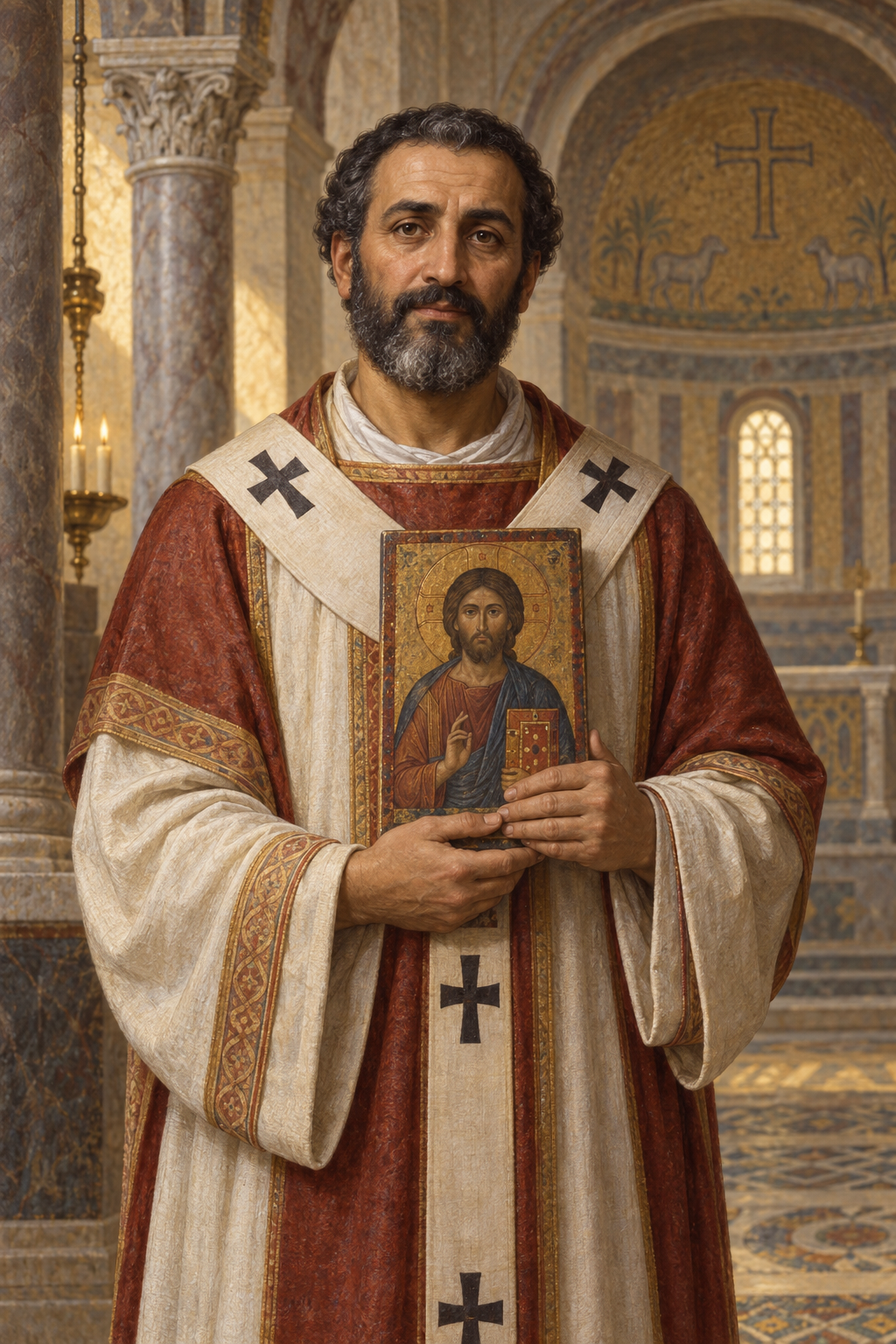
Gregory III came from a Syrian background, though the surviving sources do not fix his birth year or a town of birth. A critical papal study considers it probable that his family reached Rome from the eastern provinces. He knew Greek and Latin, but details of his early life are thin. He succeeded Gregory II and was consecrated bishop of Rome on March 18, 731, according to the Holy See's list. The new pope inherited disputes about sacred images and the place of imperial authority in Italy. His Syrian origin and Roman office connected him to more than one Christian world, but his private motives cannot be recovered simply from that background.Gregory called a Roman synod on November 1, 731, while Emperor Leo III's image policy remained contested. Treccani identifies participating bishops from Italy and describes the synod's condemnation of those who destroyed or dishonored sacred images. This was a collective synodal action, not an event accomplished by Gregory alone. The study also recounts difficulties getting Roman communications to Constantinople. Gregory supported devotion to images in Rome and founded an oratory in St. Peter's dedicated to the Savior, the Mother of God, martyrs, and confessors. That foundation contributed to the history of devotion to all saints; it does not make him the sole inventor of a worldwide November 1 feast.Gregory maintained contact with Boniface, the English missionary in German lands. Treccani reports that Gregory gave him archiepiscopal authority in 732 and continued correspondence as churches were being organized there. Boniface and his coworkers carried out the local mission; papal support was one part of that work. In Italy, Lombard expansion under Liutprand threatened the territory around Rome. Gregory appealed to the Frankish leader Charles Martel for help, yet the appeal did not secure the military rescue he sought. His diplomacy involved Roman officials and regional rulers as well as distant correspondents, so a simple story of one pope founding a new political order would exaggerate the evidence.Gregory died on November 28, 741, according to the Holy See and Treccani's critical study. Treccani gives December 10 as his liturgical memory, which also appears in the Vatican News Italian calendar; the older Roman martyrology lists November 28. These are differing commemorations rather than competing evidence that he died twice. A Vatican News English saint page instead says December 12, an unresolved inconsistency that is not used as the primary date. The catalog therefore records December 10 as the primary Catholic feast and preserves November 28 as a historical observance. His portrait symbolizes the image controversy with a devotional panel, without claiming to reproduce Gregory's appearance or an actual object he held.
Wondering how to weigh the stories and sources? Learn how to read a saint biography.