Biography
Pope Julius I
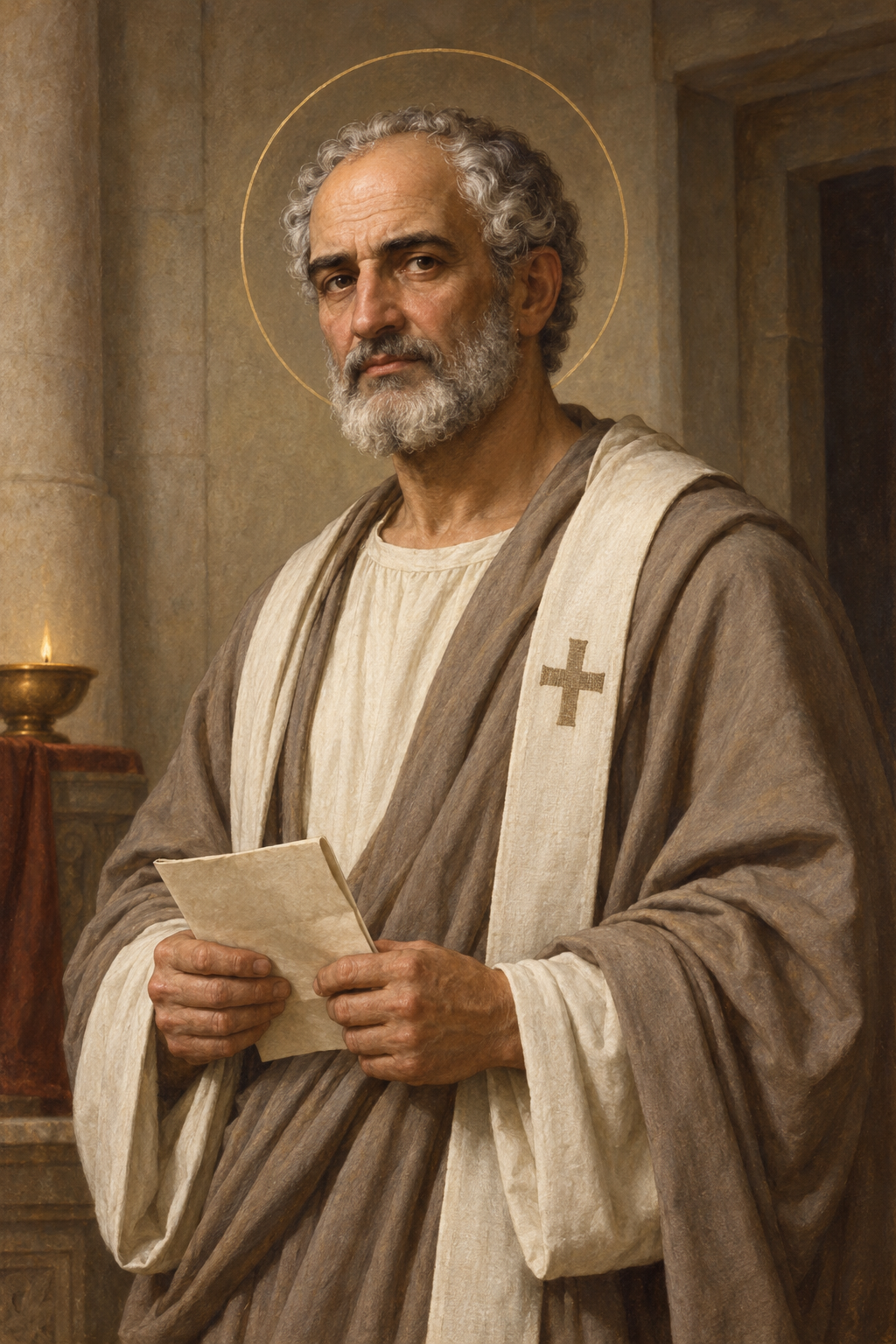
About Pope Julius I
Julius I was a Roman who became bishop of Rome on 6 February 337. His pontificate lasted until 12 April 352. He served during a period when the Church’s search for agreement about Christ’s divinity became entangled with rival bishops, imperial policy and the authority of local councils.
The dispute that shaped his ministry centered on Athanasius of Alexandria and Marcellus of Ancyra. Both had been removed from their sees and sought support in Rome. Julius accepted their explanations and admitted them to communion. The theological historian Manlio Simonetti emphasizes that their Eastern opponents were not simply a single party repeating Arius’s teaching. Many rejected Arius while distrusting the theology of Marcellus and the conduct of Athanasius.
The differences were difficult to bridge. Eastern and Western Christians did not always give the same meaning to important theological terms. Julius defended men whom Eastern synods had condemned, while their opponents believed that Rome was overturning legitimate judgments. Simonetti sees his readiness to accept Marcellus’s profession of faith as one of the weaknesses in the Roman handling of the controversy.
Athanasius’s own defense gives a participant’s account of the proceedings. He says that his opponents initially asked Julius to arrange a council. Julius sent the priests Elpidius and Philoxenus to invite them, but they did not attend. About fifty bishops met in the church of the presbyter Vito and received Athanasius into communion. Athanasius presents their decision as the result of examining his case; his account also shows how directly Julius became involved in the dispute.
Julius’s surviving letter to the Eastern bishops explains his position in his own voice. He objects to their angry reply and insists that a disputed judgment should be open to examination. In its closing sections he denies that he received Athanasius and Marcellus merely out of preference for their party. If their accusers could prove wrongdoing, he says, they should come and present their case before the assembled bishops.
The letter also describes reports brought to Rome by displaced bishops and clergy. Julius deplores exile, coercion and the replacement of bishops through force. He calls for the churches to recover peace and argues that Rome should have been consulted about Alexandria. His appeal combines concern for suffering communities with a strong claim about the Roman church’s responsibility in a dispute involving another apostolic see.
That claim met resistance. In Sozomen’s later history, the Eastern bishops acknowledge Rome’s apostolic honor but reject the idea that its size or status gives it authority to cancel their decisions. Their reply distinguishes respect for another church from acceptance of its intervention. The disagreement therefore concerned the way the churches should judge serious accusations as well as the accusations themselves.
A larger council at Sardica brought the conflict into sharper focus. The Eastern and Western delegations could not agree on admitting bishops whose cases were in dispute. The Eastern bishops withdrew, and the two groups issued opposing judgments. Julius was represented rather than personally present. The Western assembly defended Athanasius and his companions, but the gathering failed to produce the reunion for which it had been called.
Sardica nevertheless became important for later appeals to Rome. Its canons allowed a deposed bishop to seek the Roman bishop’s judgment on whether a new hearing should be held. Rome could confirm the existing sentence or arrange reconsideration by neighboring bishops, with representatives sent if appropriate. These provisions gave a practical form to review of episcopal cases, even while the wider conflict between the two groups of bishops remained unresolved.
Athanasius eventually returned to Alexandria in 346. In his own account, he first visited Rome to take leave of Julius and the Roman church. Julius rejoiced at the prospect of his return and gave him a letter for his community. The episode records a relationship sustained through years of exile and negotiation: Rome had become a place where Athanasius could seek a hearing, maintain communion and prepare to return to his people.
Julius’s letter to the Alexandrians welcomes their bishop’s return and praises their enduring loyalty. He imagines their joyful reception of Athanasius after separation and danger. The personal warmth of this letter stands beside the firm arguments of his earlier correspondence.
His work also changed the places where Roman Christians worshipped. Giovanni Nino Verrando’s archaeological study examines a near-contemporary catalogue crediting Julius with five basilicas. A later account groups them as two urban churches and three suburban burial sanctuaries. Verrando cautions that the word basilica need not describe buildings of identical size or function. The surviving references record an extensive undertaking, while leaving the form of several individual buildings uncertain.
Two foundations lay inside the city, one near Trajan’s Forum and another across the Tiber. The latter is associated with the site of Santa Maria in Trastevere. Verrando distinguishes the problems they present: the vanished church near the forum raises questions of location, while interpretation of the remains beneath the Trastevere church depends on incomplete archaeological evidence. The buildings belong to Julius’s remembered ministry, even where their earliest appearance cannot be reconstructed confidently.
Julius died on 12 April 352 and was buried in the cemetery of Calepodius on the Aurelia road. His Catholic feast is kept on 12 April. Bonifatiuswerk also records a traditional patronage of latrine cleaners. His surviving letters preserve both his determination to defend those he received into communion and his hope that divided Christian communities could recover peace.
Wondering how to weigh the stories and sources? Learn how to read a saint biography.