Biography
Pope Marcellus I
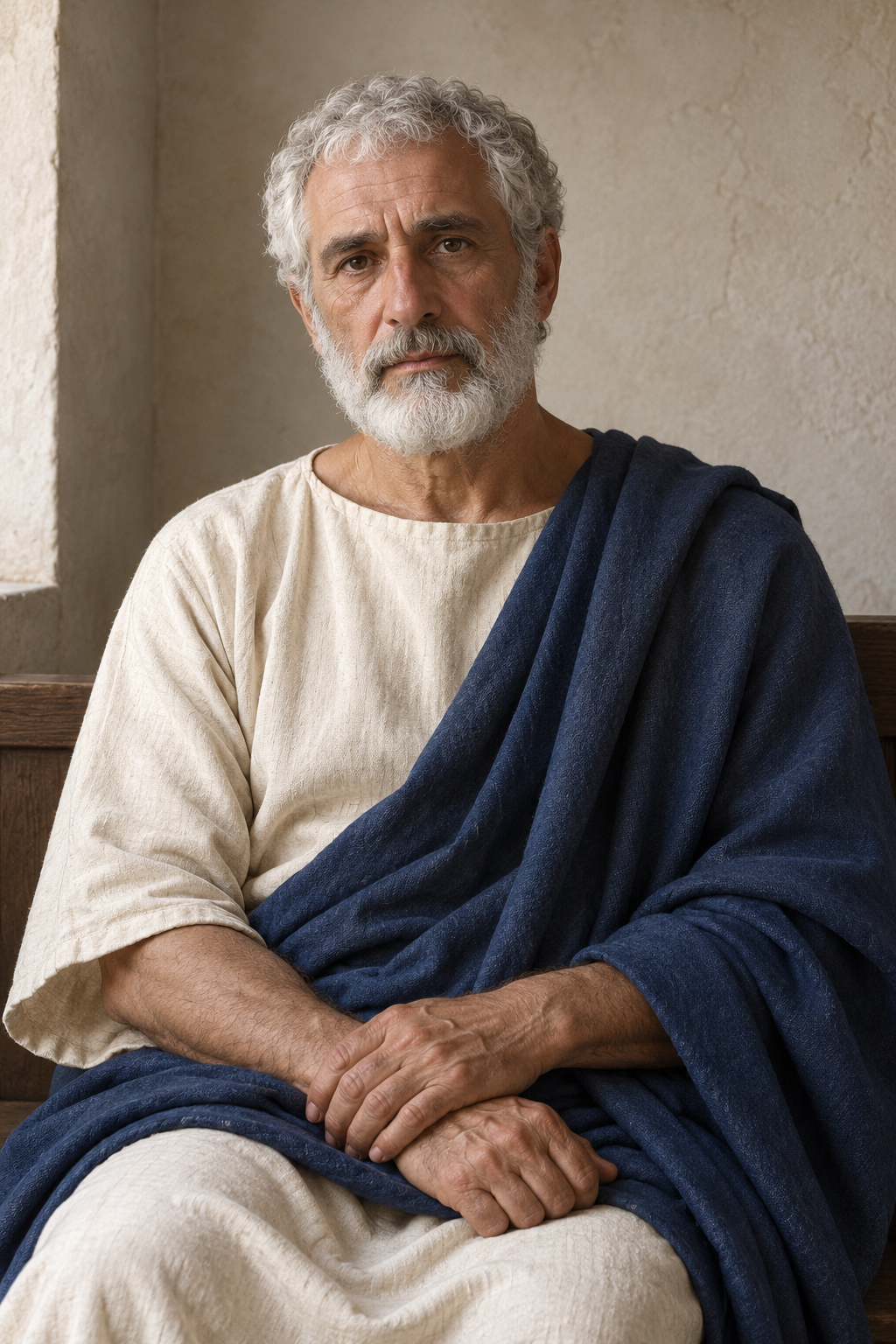
About Pope Marcellus I
Marcellus led the Christian community of Rome in the early fourth century, after the persecution under Diocletian. The precise dates of his short episcopate remain disputed. The conventional chronology places him in office in 308–309, following a long vacancy after Marcellinus.
The community he inherited faced disruption to its meeting places, burial grounds and ordinary worship. Some Christians who had renounced their faith under persecution now sought readmission. The question of their return brought a difficult dispute over repentance and the conditions for reconciliation.
Damasus’s later fourth-century epitaph praises Marcellus as a leader who called those Christians to lament their faults. It describes anger, divisions and bloodshed following the dispute. According to the poem, an opponent who had denied Christ in peacetime brought an accusation, and the ruler expelled Marcellus from his homeland. Damasus says he recorded the events so that the people might recognize Marcellus’s merit.
Modern historian Angelo Di Berardino places that conflict within the aftermath of persecution. The return of outward peace had not resolved the community’s internal division. He distinguishes Maxentius’s intervention to restore public order from a renewed general persecution of Christians. Marcellus’s removal did not settle the dispute, which continued under his successor Eusebius.
Marcellus died after his exile, but the place is unknown. His body was brought back to Rome and associated with burial at Priscilla’s cemetery. The Norwegian Catholic account also records a tradition that he helped reorganize the Roman Church’s local administration. The later claim that he created twenty-five districts in a single act is treated cautiously.
The Liber Pontificalis, compiled centuries later, presents him as establishing churches for baptism, penance and burial. The Oxford critical commentary explains that this local church network developed over decades. Its account of the text’s two editions also shows how the later version added an elaborate story of persecution and a house converted into a stable. That story describes Marcellus dying while forced to care for animals.
Kirsch regards the stable story as legendary and gives greater weight to Damasus’s account. The story nevertheless influenced Marcellus’s later remembrance: the Norwegian Church notice identifies him as a traditional patron of stable boys. This patronage belongs to his devotional reception, rather than establishing the story as the historical manner of his death.
Di Berardino also distinguishes the early church called the titulus Marcelli from its later identification with the saint. Its original name probably referred to a founder or owner called Marcellus. By the sixth century it was understood as Saint Marcellus’s church. His enduring memory joined a remembered conflict over reconciliation with a tomb, a church and the later traditions that grew around them.
Wondering how to weigh the stories and sources? Learn how to read a saint biography.