Biography
Pope Stephen I
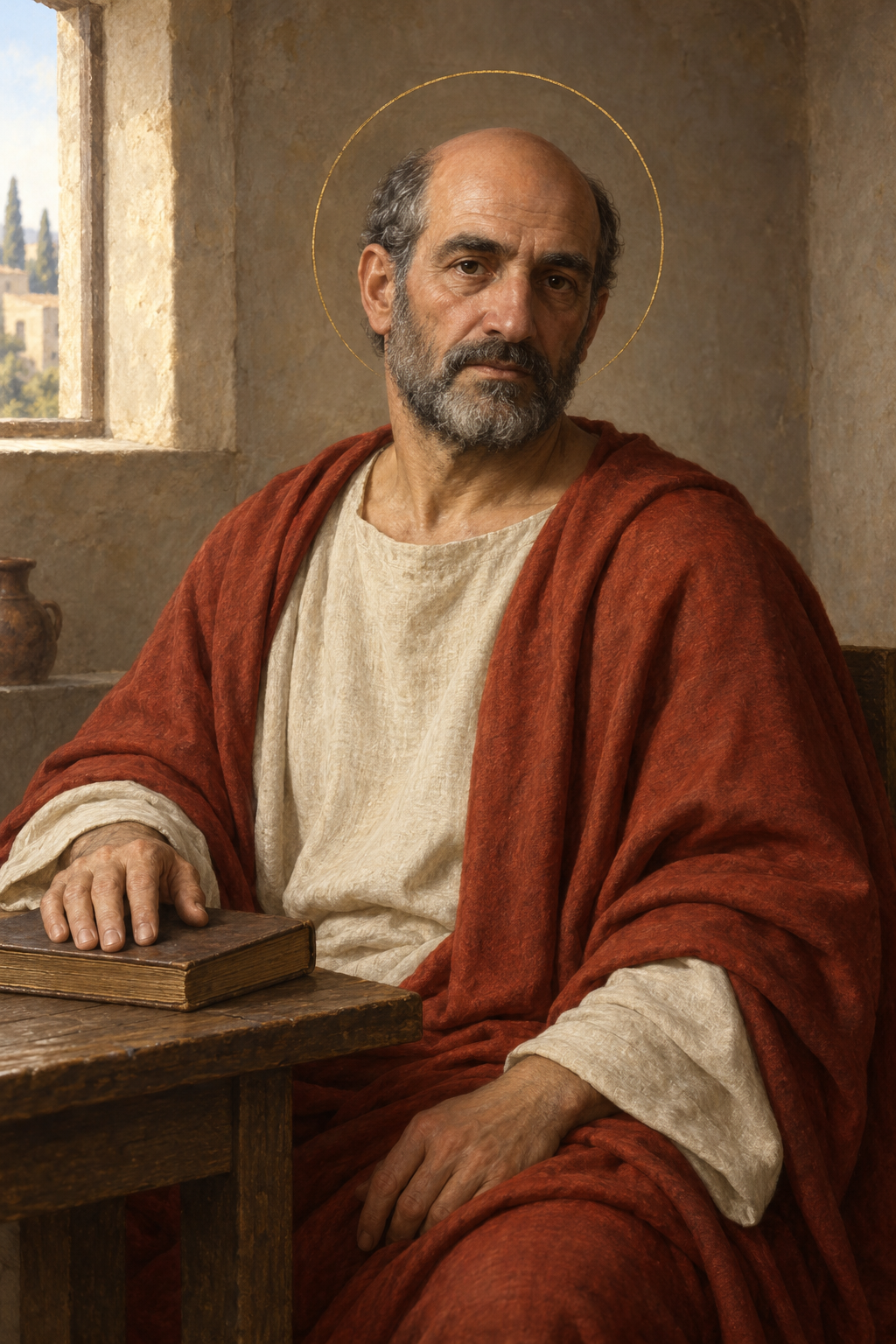
About Pope Stephen I
Stephen I became bishop of Rome in 254, succeeding Lucius I. The Holy See’s register dates the beginning of his pontificate to 12 March and its end to 2 August 257. It describes him as Roman.
His short episcopate is known chiefly through controversies about the limits of church authority and the reception of Christians returning from separation. Manlio Simonetti places these disputes in a period when local churches recognized Rome’s prestige but had not developed uniform procedures for settling conflicts between bishops.
One dispute concerned the Spanish bishops Basilides and Martial, who had lost their positions after compromising their faith during persecution. They sought Stephen’s support for restoration. The churches concerned resisted and appealed to Cyprian of Carthage. An African council upheld their replacements. Its letter argued that Stephen had been misled because he did not know the full circumstances. Simonetti emphasizes that the account survives from the opposing side; Stephen’s own explanation of his decision is unavailable.
Another appeal came from Gaul. Faustinus of Lyons and other bishops wanted action against Marcian of Arles, who refused communion to people seeking reconciliation after abandoning their faith under persecution. Cyprian urged Stephen to write to the Gallic bishops, remove Marcian and provide another bishop. The surviving correspondence records the appeal, rather than a complete exchange between all the participants.
The eventual outcome of that case is unknown.
The best-known disagreement concerned baptism. Stephen upheld the Roman practice of receiving people baptized in separated Christian groups without baptizing them again. Cyprian and many African bishops regarded a baptism outside the Church as lacking the gift that baptism should confer. Both sides believed that they were preserving Christian tradition. Their dispute involved the meaning of the sacrament and the relationship between the Church and those outside its communion.
Cyprian told Pompeius that he was forwarding Stephen’s reply. He reports Stephen’s instruction to preserve the received practice and admit returning Christians through the laying on of hands for repentance. Cyprian challenged the claimed basis of that tradition.
Firmilian of Caesarea supported Cyprian in a sharply worded letter. He rejected Stephen’s position that baptismal grace could be received through the invocation of the Trinity outside church communion. For Firmilian, the Spirit and the Church could not be separated in that way. His argument shows why a rule that seemed to Stephen to preserve baptism seemed to his opponents to weaken the meaning of the Church.
Firmilian also challenged Stephen’s appeal to his succession from Peter. He pointed to differences in religious practice between churches and accused Stephen of disrupting their peace. He further alleged that African episcopal messengers had been refused a meeting and hospitality at Rome. These are the charges of an angry opponent, rather than an impartial account of Stephen’s conduct or a surviving record of Stephen’s response.
The same letter begins by thanking God that correspondence could join communities separated by distance. Firmilian received Cyprian’s message through the deacon Rogatian and welcomed their agreement as a shared life. This warm greeting stands beside the anger toward Stephen and shows how differently the participants understood the bonds of unity.
Charlotte Methuen’s study explains the uncertainty that lay behind such arguments. Christians worried about whether they could trust sacraments administered by people whose authority or faithfulness had become doubtful. Cyprian’s setting was shaped by the aftermath of persecution, while Firmilian was especially concerned with distinguishing genuine spiritual inspiration from misleading claims. These different anxieties help explain the force of the opposition Stephen encountered.
Firmilian’s letter even challenged Stephen with the case of a woman whose ministry had been accepted before she was denounced as possessed. Methuen treats that account as evidence of a dispute about discerning spiritual authority. It is not a neutral description of a verified supernatural event.
The controversy was not settled during Stephen’s lifetime. Joseph Grzywaczewski follows its later development, explaining how the Roman practice eventually became generally accepted in the Catholic Church. That later outcome does not mean that all the participants had already agreed in 256, or that their surviving letters preserve an easy reconciliation.
Mann also records Stephen’s charitable assistance to churches in Syria and Arabia. He treats the later attribution of a rule reserving ecclesiastical clothing for worship as a report of the Liber Pontificalis. Stephen was buried in the cemetery of Callistus; his remains were later transferred under Paul I.
Stephen died on 2 August 257. His martyrdom is a later tradition, absent from the earliest sources, so its circumstances cannot be securely reconstructed.
Vatican News commemorates him on 2 August.
The Diocese of Hvar names Stephen I as patron of the diocese, the cities of Hvar and Stari Grad, and the islands of Hvar and Vis. Its local observance is 2 October. This continuing local devotion concerns the third-century pope, not the first Christian martyr who shares his name.
Wondering how to weigh the stories and sources? Learn how to read a saint biography.