Biography
Pope Urban I
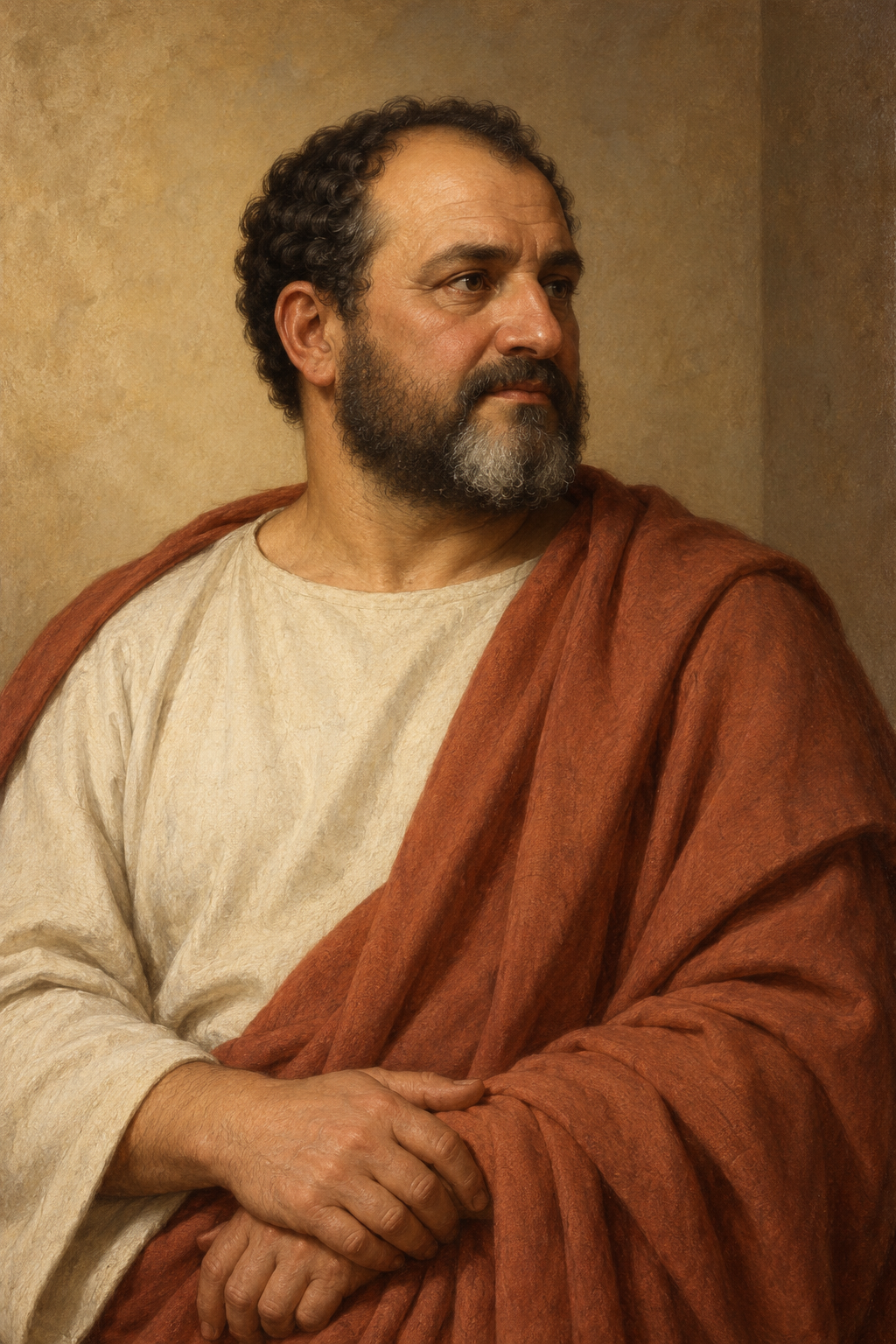
About Pope Urban I
Urban I succeeded Callistus as bishop of Rome in 222 and held the office until 230. The Holy See lists him as the seventeenth pope.
His personal work is almost entirely unknown. The schism associated with Hippolytus continued during his pontificate, which fell within the reign of Alexander Severus. Kirsch’s historical account describes this as a period of relative peace for Christians, despite the continuing division within the Roman Church. Later tradition gives Urban a much more detailed role: the legendary story of Saint Cecilia makes him responsible for the conversion and baptism of her husband and brother-in-law. Kirsch rejects that narrative and the still later account of Urban’s martyrdom as reliable historical evidence.
His burial place has also been disputed. Federico Fatti’s modern study sets out the competing claims of the cemeteries of Praetextatus and Callistus. The evidence includes ancient written notices and an inscription naming a bishop Urban, whose identification with the pope is uncertain. Similar names helped shape the later cult as well: Fatti connects Urban’s traditional patronage of vineyards and winegrowers in French and German regions with confusion involving Urban of Langres. That local devotion belongs to the history of his reception, rather than to a documented episode of his life.
Urban died in 230. The Norwegian Catholic biography gives alternative days in May and considers a natural death probable. It records 25 May as his feast in the Roman calendar until 1969.
Wondering how to weigh the stories and sources? Learn how to read a saint biography.