Biography
Probus (Egyptian martyr)
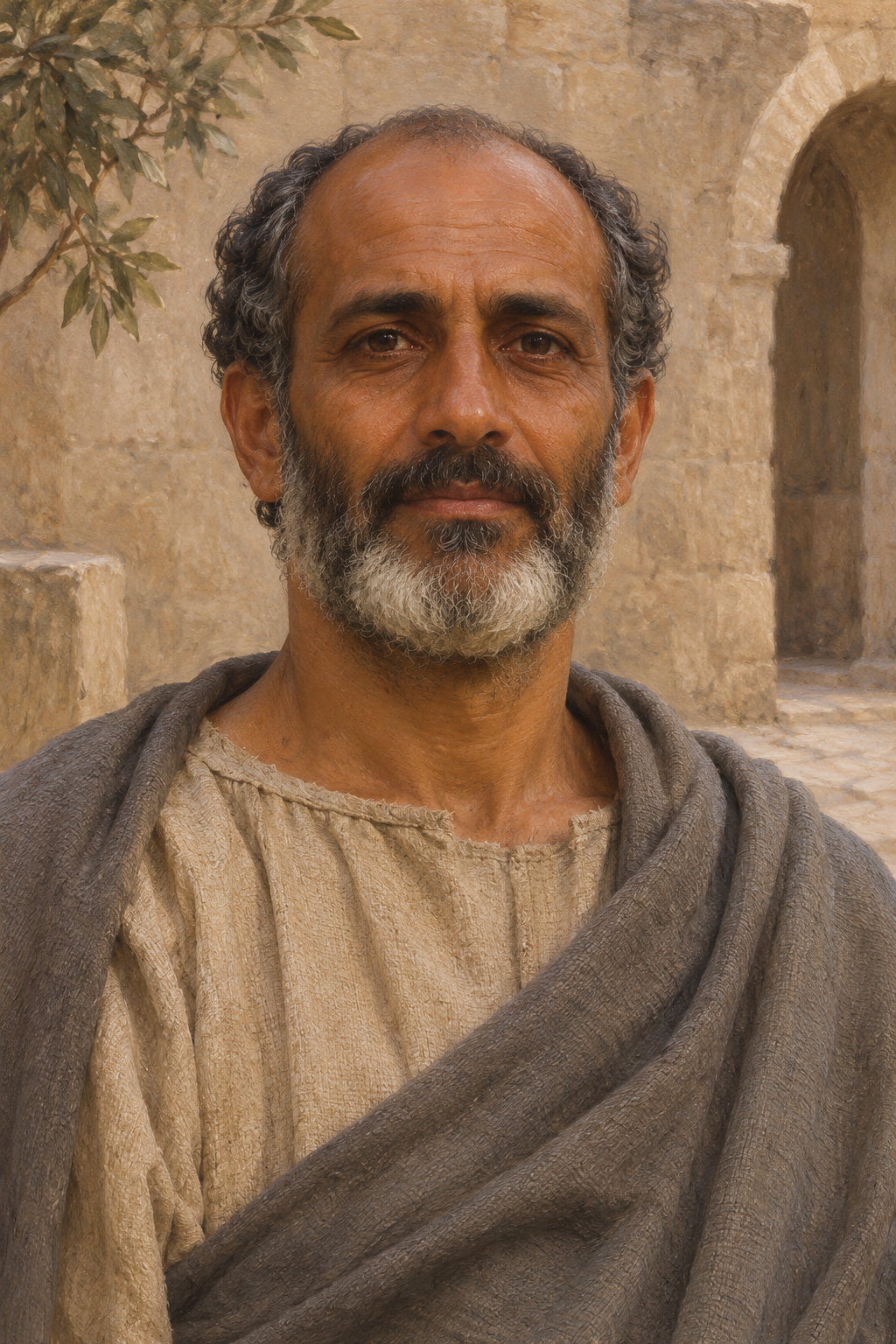
About Probus (Egyptian martyr)
Eusebius of Caesarea records that a group of Christians from Egypt had been sent to Cilicia to minister to confessors there. At a gate, officials examining travelers seized them and inflicted the same mutilation of eye and foot imposed on those they had gone to help. Eusebius says the three were then held at Ascalon, where they endured further punishment. Thus Cilicia is their destination and ministry setting; Ascalon is the place of detention and execution in this account.
The execution report distinguishes the companions: Ares was condemned to the flames, while the men named Probus and Elias were beheaded. The editor’s footnote dates the episode to 14 December 308. The text’s manuscripts vary over Probus’s name; the translator follows witnesses reading Probus rather than the majority reading Promus. The Orthodox Church in America commemorates the three together on 19 December and places the episode under the heading “in Cilicia,” reflecting the mission associated with their story.
Eusebius gives no hometown within Egypt and no separate account of Probus’s life before this mission. The evidence supports his place in a group sent to assist imprisoned Christians and his execution at Ascalon, not a fuller personal chronology. A later church commemoration preserves the shared memory of the three, while the early account remains the clearest source for the distinction between their journey toward Cilicia and the place where they died.
Wondering how to weigh the stories and sources? Learn how to read a saint biography.