Biography
Pusai
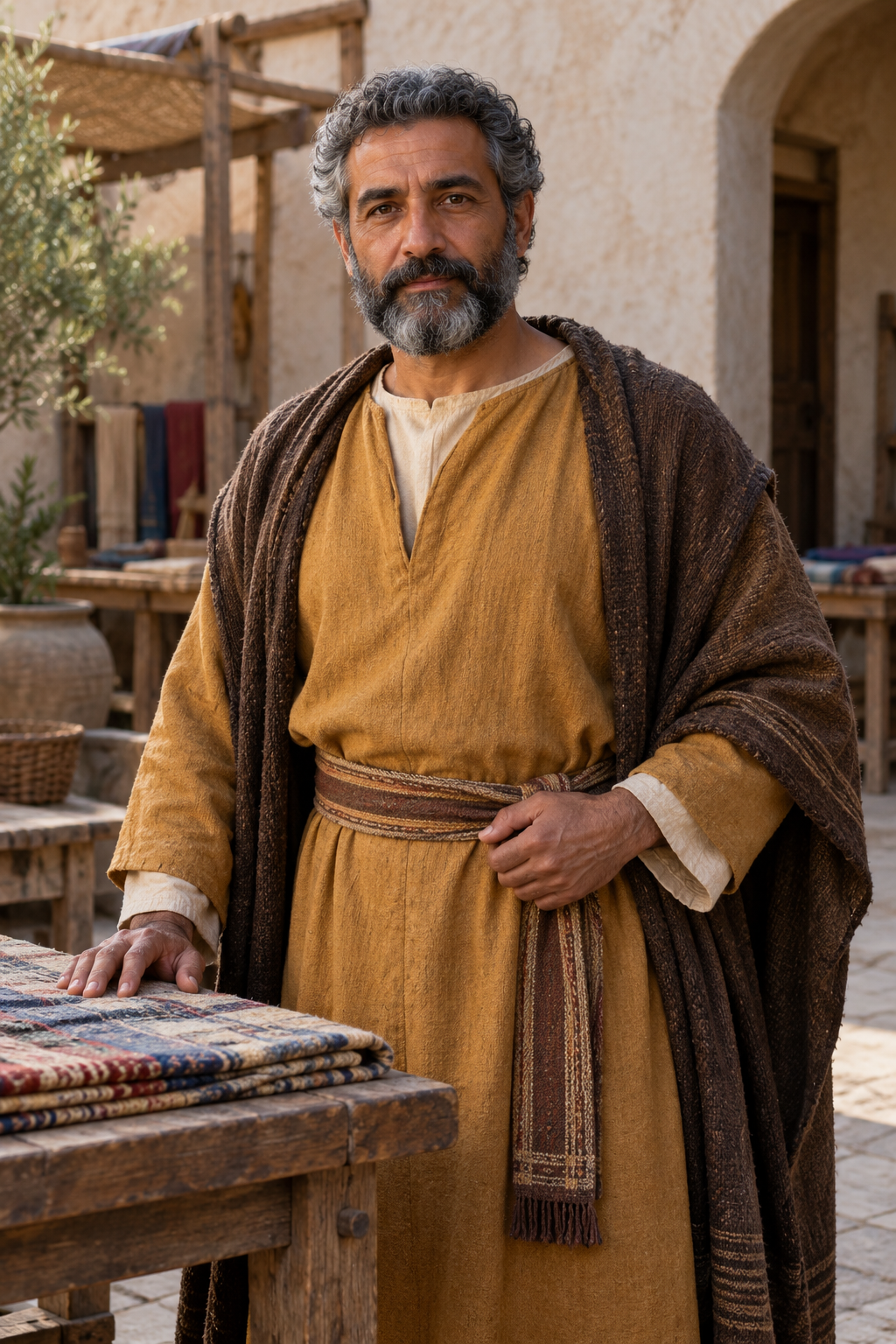
About Pusai
Pusai was a Christian associated with the royal workshops of Shapur II in Sasanian Persia. The Syriac History of Shimun bar Ṣabbae identifies him as head of the king’s craftsmen and includes him among the martyrs remembered with Bishop Shimun, also known as Symeon. Sergey Minov’s scholarly summary distinguishes Pusai from the priests in the same narrative. His role was that of a skilled lay official, not the priesthood sometimes assigned to him in modern summaries.
Sozomen’s fifth-century Church History calls him Pusices. In its account, he witnessed the execution of Christians and saw the elderly Ananias trembling. Pusai spoke to encourage him to remain steadfast in faith. Those words exposed his own Christianity: he was arrested and brought before the king. Sozomen describes him as openly confessing his faith and speaking boldly about the condemned believers.
The account then describes a particularly cruel death, involving wounds to his neck and the removal of his tongue. It also reports the execution of his daughter, who had dedicated herself to a life of religious virginity. These details belong to the ancient martyrdom tradition. They preserve how Christian writers remembered his courage and suffering, rather than providing a contemporary transcript of a trial.
The surviving sources require careful reading. Christelle Jullien’s study places the accounts of Pusai and Martha among narrative passions developed from older material. Such texts combine historical elements with literary expansion. She also notes that Christians in the Sasanian realm could be suspected of sympathy with the neighboring Roman Empire after its rulers embraced Christianity. This political setting helps explain the accusations found in the martyr stories, without making every reported speech or episode independently verifiable.
A later account of the relics gives another view of his remembrance. Héctor Ricardo Francisco describes the narrative in which a Christian woman and her brother received Pusai’s body in their home. His daughter Martha was subsequently buried with him. The woman held an annual commemoration attended by priests, and responsibility for the shrine passed through her family. A dispute between heirs eventually led Bishop Ṣaūmaī to take custody of the relics for the church at Karka d-Ledan.
Francisco reads this story as more than a report about burial. It also expresses tensions over who controlled a martyr’s shrine: a household or the bishop. That interpretation helps distinguish the narrative’s account of devotion from its effort to justify institutional authority. The survival of the story shows the importance attached to Pusai and his daughter beyond the circumstances of their deaths.
The chronology remains uncertain. Minov’s reference entry gives 341 or 344 for the martyrdom. Those alternatives should not be turned into a confidently stated day of death. The enduring feature of Pusai’s story is more specific: a royal craftsman spoke to strengthen a frightened fellow Christian and was himself counted among the martyrs.
Wondering how to weigh the stories and sources? Learn how to read a saint biography.