Biography
Quentin of Amiens
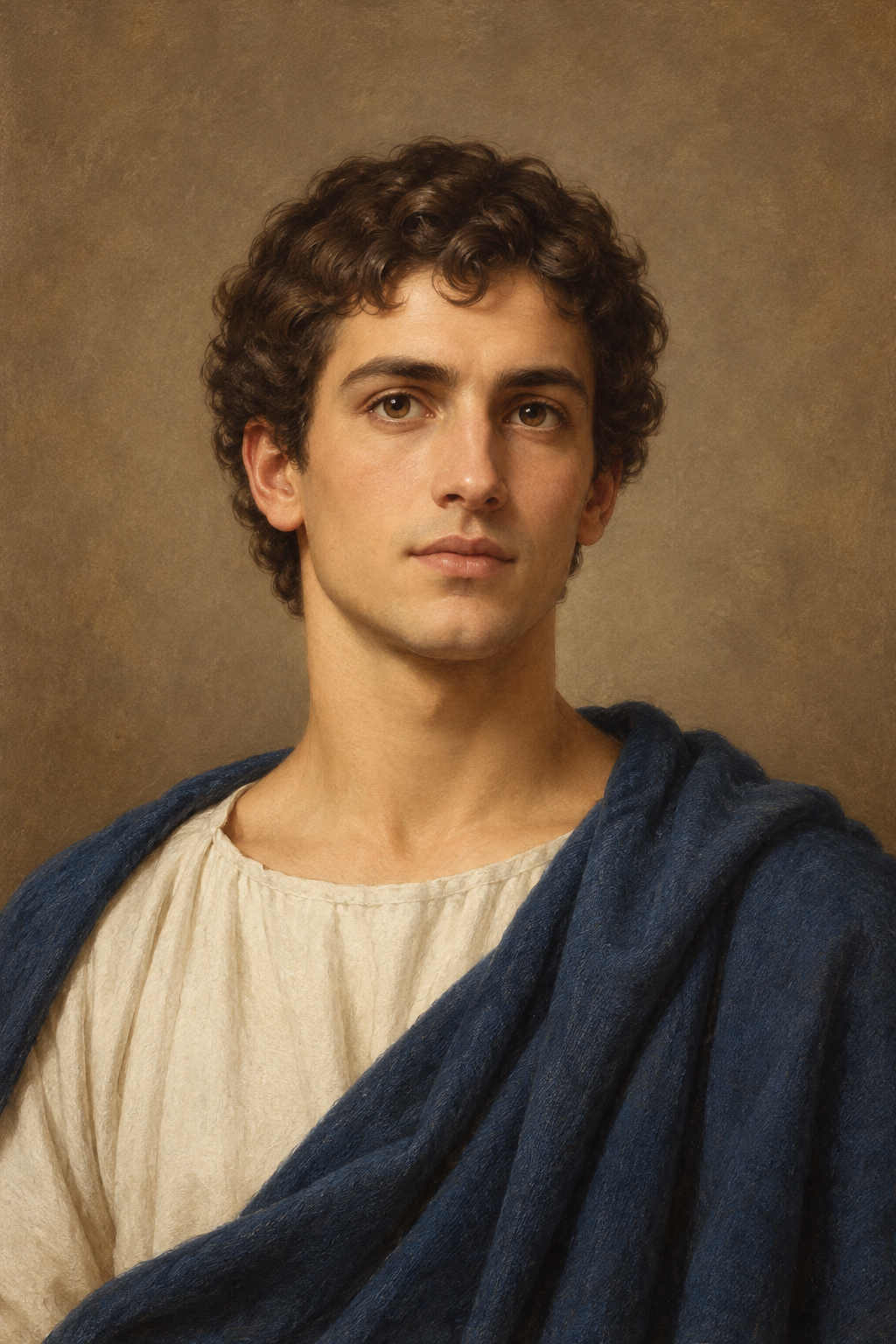
About Quentin of Amiens
Quentin is remembered as a Christian missionary and martyr in northern Gaul. The traditional account makes him a Roman who preached at Amiens before his arrest. It describes his refusal to abandon his faith despite repeated torture, followed by beheading at Augusta Viromanduorum. His body was thrown into the Somme. A later episode tells of Eusébie finding his remains after dreams directed her search. These details belong to the saint’s devotional narrative, not an eyewitness account that establishes each event.
Archaeology supplies a different kind of evidence. Excavations beneath the basilica between 2005 and 2010 identified a late fourth-century tomb that could be Quentin’s, followed by monumental construction and surrounding burials. The pattern supports the development of an early cult, while the proposed identification of the original tomb remains cautious. It does not independently verify the narrative of his arrest and death.
The church that bears his name grew into a major place of pilgrimage. The existing Gothic building took centuries to construct and was severely damaged during the First World War. Its subsequent reconstruction is part of the long history of preserving the shrine.
The regional heritage inventory reports a significant correction concerning one relic: analyses in 2008 dated the hand displayed under Quentin’s name to the late fifteenth or early sixteenth century. It therefore cannot be the early martyr’s hand. The history of veneration and the identification of particular remains must be distinguished.
Devotion also spread beyond that shrine. At Auquainville, a pilgrimage honoring Quentin continued on Easter Monday until 1970. He and Aubin were invoked there by people seeking relief from coughs and whooping cough. This records a religious practice, not evidence that invocation cures those illnesses.
The National Association of Catholic Chaplains identifies Quentin as a patron of chaplains and locksmiths. His usual commemoration falls on October 31.
The Soissons diocesan calendar instead lists October 30, observed as a solemnity at Saint-Quentin.
Wondering how to weigh the stories and sources? Learn how to read a saint biography.