Biography
Raphael Massabki
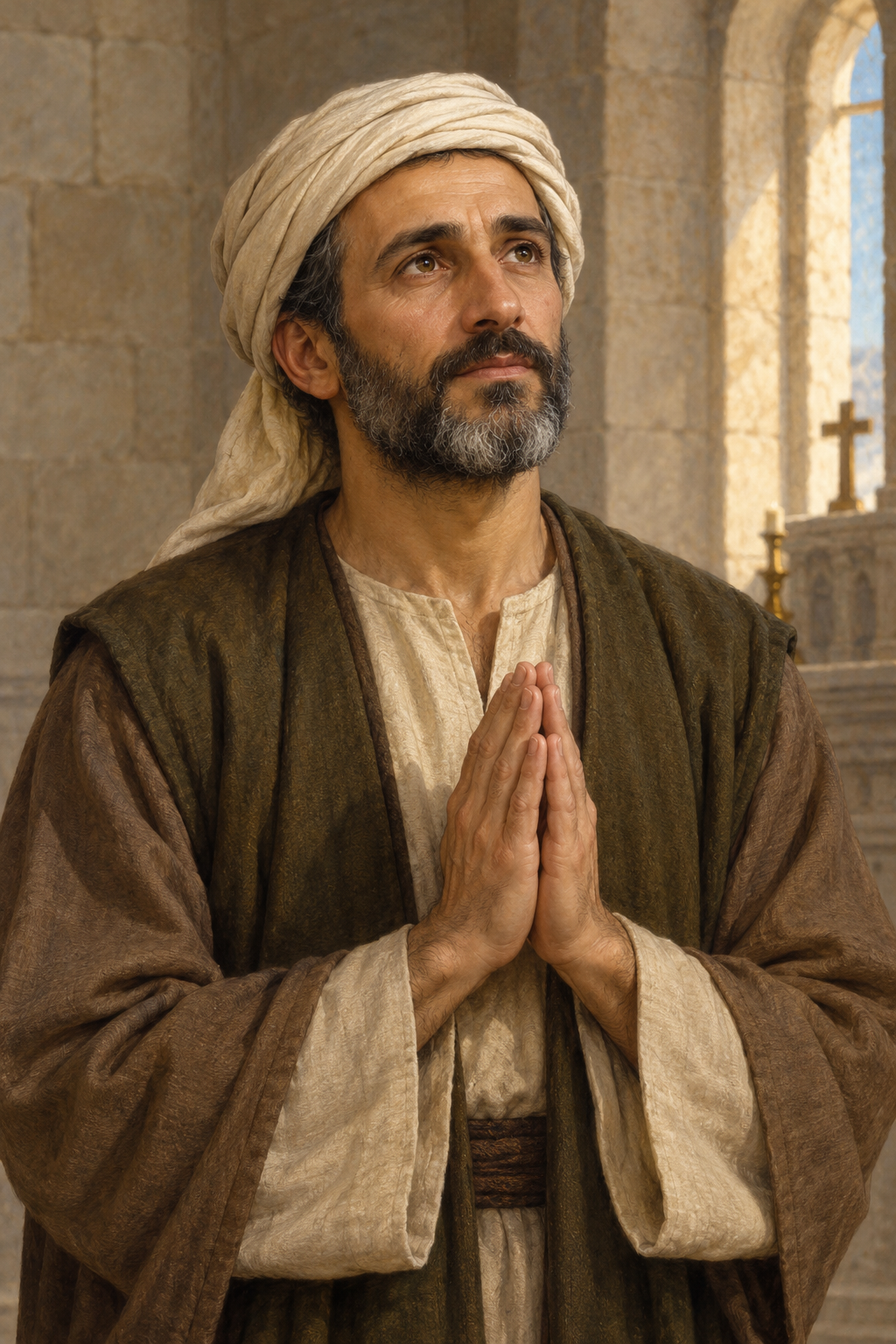
About Raphael Massabki
Raphael Massabki was a Maronite layman remembered with his brothers Francis and Abdul-Mooti among the martyrs of Damascus. Patriarch Beshara Boutros El Rai’s 2023 encyclical describes a quiet life of service to his family and the Franciscan community. Raphael remained unmarried, spent long hours in the monastery church, and joined his brothers’ households for evening prayer.
During the violence of July 1860, the brothers took refuge at the Franciscan monastery. The patriarch’s account describes their refusal to abandon their Christian faith when attackers entered the building. Raphael died there on July 10, alongside his brothers and eight Franciscans. The same encyclical also remembers Muslims who sheltered Christians, including the Algerian emir Abdelkader. The massacre should not erase those acts of protection.
The brothers were beatified on October 10, 1926.
Pope Francis canonized them on October 20, 2024. Bishop Antoine Charbel Tarabay, who attended the ceremony, reflected on the significance of recognizing laymen within the Maronite Church’s tradition of holiness. Their shared remembrance with the Franciscan martyrs brought Eastern and Western Christian communities together.
The canonization image by Andrea Pucci gives Raphael a restrained place in the group. His hands are joined in prayer, while Francis holds the Maronite patriarchal insignia and Abdul-Mooti carries a martyr’s palm. As Tarabay explains, the composition gathers the eleven martyrs around the Eucharist. It is a devotional representation of their remembered faith, not a contemporary portrait of Raphael.
A local dedication also carries his memory. In December 2015, Archbishop Samir Nassar told Agenzia Fides about a new Maronite church in Kachkoul, on the eastern outskirts of Damascus, dedicated jointly to the Massabki brothers. Its inauguration was planned for the following January. The archbishop described it as a place for prayer, biblical catechesis and community life during war.
The dedication belongs to all three brothers. It supports a particular connection with this church, rather than a general patronage of every family, trade or occupation associated with their lives. For the community described by Nassar, building a place of worship expressed a determination to remain together and continue practicing the faith amid destruction.
Wondering how to weigh the stories and sources? Learn how to read a saint biography.