Biography
Richard An Gun-sim
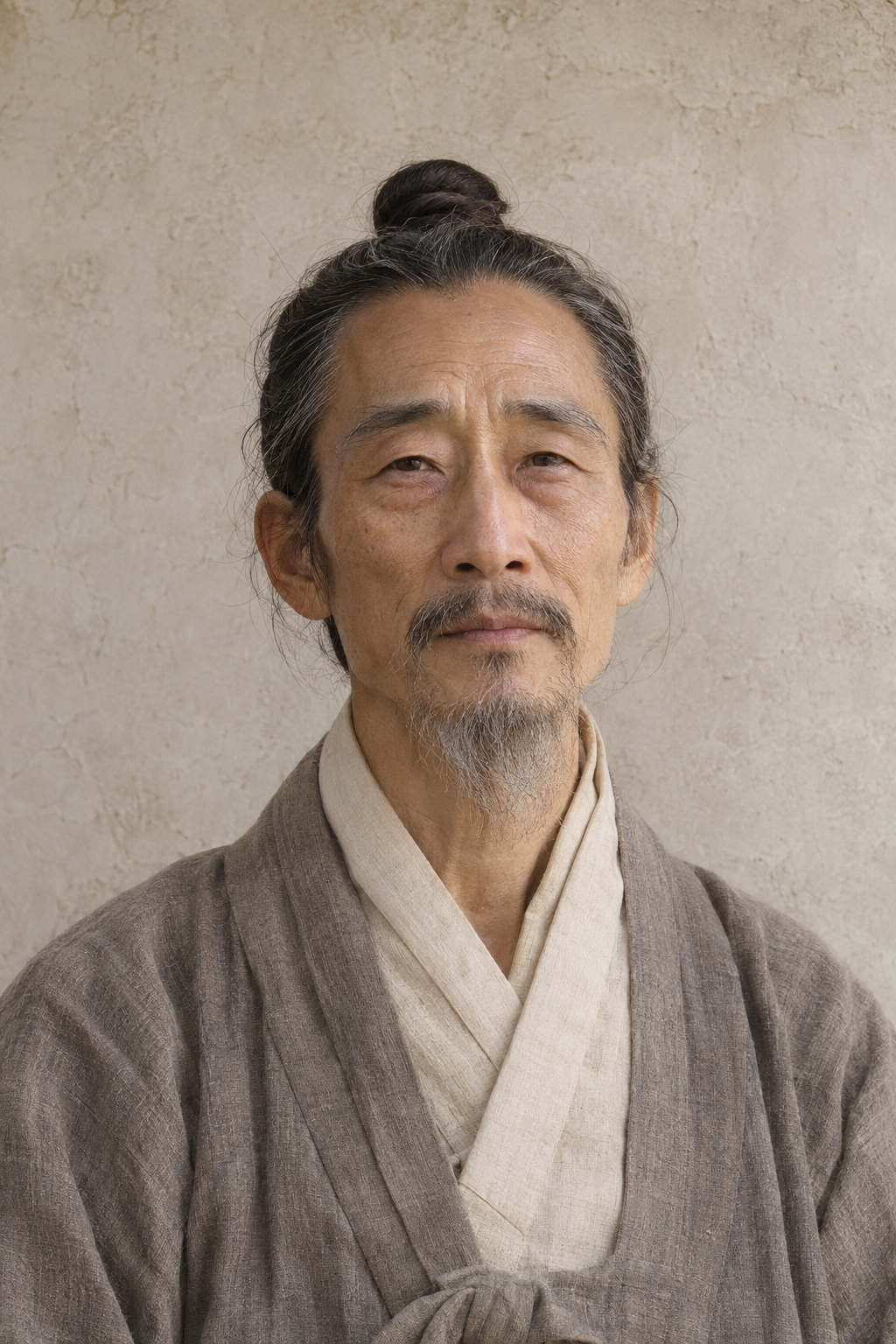
About Richard An Gun-sim
Richard An Gun-sim was born in 1774 in Boryeong, in Chungcheong-do. He became a Catholic while young and later left his home district with his family to live in Gyeongsang-do. By 1827 he was living at Aengmudang in the Sangju district. The move gave him more freedom to practice his religion, but it did not remove him from the reach of the authorities.
His name appears differently in the sources. In a study of the preparation of the 124 martyrs’ biographies, historian Cha Ki-jin explains why the editors chose Gun-sim. Government records also used Sa-heung, while Daveluy’s history used Gun-sim. The editors followed the name identified as his courtesy name in the government record. These are different recorded names for the same Catholic prisoner, rather than two separate martyrs.
Richard supported his household by copying Catholic books. His work combined earning a living with passing on the teaching he had accepted. The illustrated account describes his work sustaining the family and the care he gave to children’s education. People who came to him could also learn the catechism. His reputation in the received accounts rests on patient teaching and kindness towards others, alongside the manuscripts he supplied to fellow Catholics.
The 2011 illustrated account remembers his cheerful manner, humility and friendliness. He prayed and meditated each day and fasted three times a week.
Before 1827 Richard had already been arrested once. The date is not supplied. The Catholic encyclopedia says that he obtained release after giving an answer that was not clear. Afterwards he regretted his failure to speak plainly and his lack of courage. Writing for the Diocese of Daejeon, Father Kim Jeong-hwan explains what Richard found troubling about his release. In Kim’s account, the magistrate asked whether Richard followed a religion he called evil. Richard denied that description. The magistrate understood his answer as a denial of the faith itself and let him go without asking another question. Richard resolved that if he faced the question again he would tell his interrogator plainly that he was a Catholic.
When the Jeonghae persecution began in 1827, Richard expected to be caught. Many religious books in circulation had been copied by his hand. He went into hiding for a time, preparing himself for the possibility of imprisonment and death. The police from Sangju eventually found him in late April and brought him before the local official. This time the questioning began with a direct inquiry about whether he was a Catholic. He acknowledged that he was.
The official asked Richard to explain Catholic teaching. He set out important doctrines briefly and clearly. The question then turned from doctrine to loyalty: the magistrate challenged him over breaking the country’s laws. Richard’s recorded reply placed God first as ruler of the universe and father of humanity, while retaining duties towards the king, officials and parents. He did not accept the demand that honouring those authorities required him to abandon God.
The magistrate ordered him to renounce his religion and identify other Catholics. Richard refused. He was beaten and returned to prison, then repeatedly brought out for further questioning and punishment. The pressure did not obtain the change the official wanted. Eventually the authorities transferred him from Sangju to Daegu, the seat of the provincial government. There the beatings continued, leaving him badly wounded. The received account says he was condemned to death and returned to confinement with other Catholics.
Imprisonment required Richard to find another way to support himself. The Daegu diocesan account says that he made straw sandals while in prison. He used the proceeds for his needs and gave away what remained as alms. The same man who had supported his family through copied books was now doing manual work inside the prison. His charity continued under confinement rather than depending on his former freedom to travel or teach.
Historian Bang Sang-geun examines the long detention of Richard and the other 1827 prisoners through government records. His analysis distinguishes a provincial recommendation for capital punishment from the completion of the judicial process. He argues that delays in reviewing the cases and changes of provincial officials helped produce prolonged imprisonment. Richard’s years in custody therefore cannot simply be treated as an eight-year period after a fully completed execution order. The Catholic narrative preserves a sentence and a wait; Bang’s study raises questions about which legal stage that narrative describes.
Richard died of dysentery in Daegu prison in 1835. He had spent about eight years confined. Oh Se-taek’s joint account places his death between that of Ambrose Kim Se-bak, who died in 1828, and the 1839 executions of Andrew Yi Jae-haeng and Andrew Kim Sa-geon. Richard’s life ended in illness while he was still awaiting the outcome of his case. The record remembers both the religious books he copied before capture and the work and almsgiving he continued inside the prison.
Wondering how to weigh the stories and sources? Learn how to read a saint biography.