Biography
Rictrude of Marchiennes
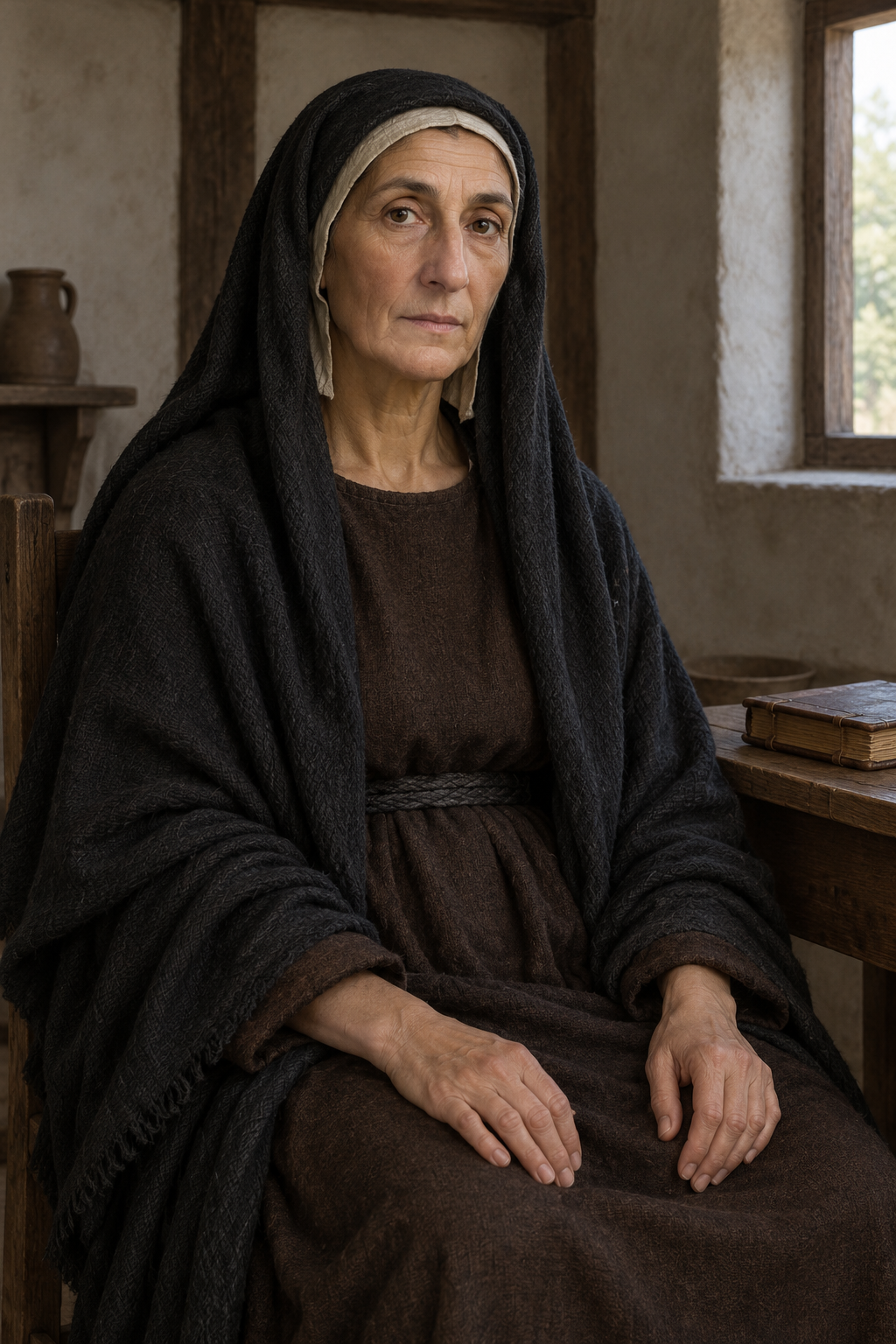
About Rictrude of Marchiennes
Rictrude is remembered as a widow and abbess of Marchiennes. The principal account of her seventh-century life was written by Hucbald in 907, at the request of the community’s clergy and nuns. They honored her as their patron, but the long interval and fragmentary evidence limit what can be established about her life.
In Hucbald’s account, Rictrude married Adalbald and had four children. After his murder she sought Amand’s counsel and rejected pressure from the king to marry again. At a banquet she put on a consecrated veil before the assembled guests, declaring her choice of religious life. She then entered Marchiennes.
The same Life preserves a harsh family conflict. Eusebia wished to remain at Hamage, but Rictrude obtained royal authority to bring her to Marchiennes. When Eusebia continued returning to Hamage, Rictrude agreed that her son Mauront should punish her. During the beating, the sword hilt of the man restraining Eusebia injured her side; Hucbald says she suffered lasting illness. Rictrude eventually allowed her to return. The author defends the punishment, while also recording criticism of the family’s conduct.
These episodes belong to a narrative shaped by the concerns of a later monastic writer. Charles Mériaux places Rictrude’s community within the network of aristocratic families and religious houses around the Scarpe. In this setting, choosing a monastery could preserve family identity and property as well as express a religious vocation. Hucbald’s account links leadership at Marchiennes and Hamage across several generations, including Rictrude and her daughters.
Rictrude’s memory remains part of local worship. The diocese of Cambrai commemorates her on May 13, and its account remembers her withdrawal to Marchiennes with her daughters after her husband’s death.
The parish church at Marchiennes is dedicated to her.
Wondering how to weigh the stories and sources? Learn how to read a saint biography.