Biography
Ruricius I of Limoges
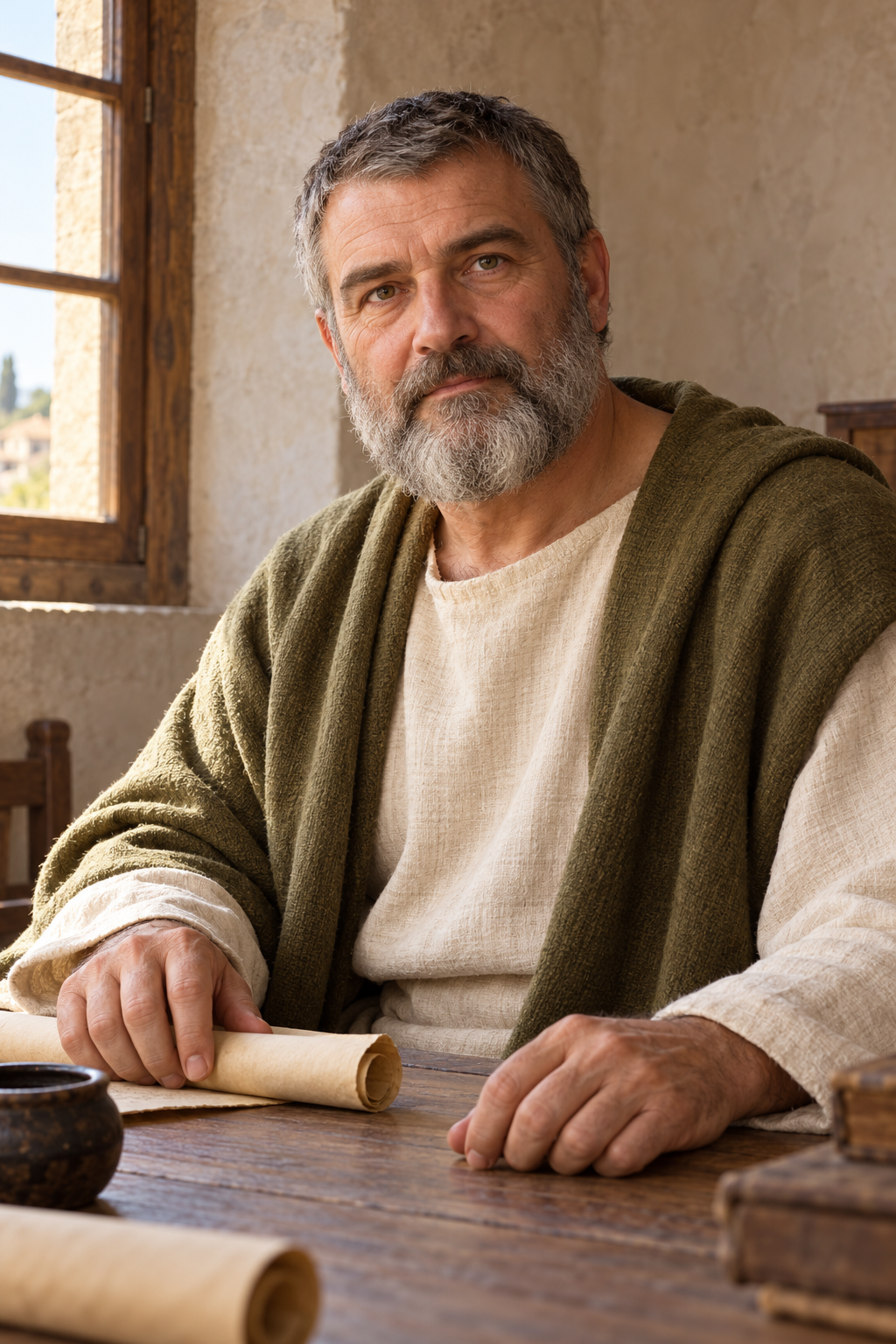
About Ruricius I of Limoges
Ruricius I was bishop of Limoges by the later 480s and was still writing letters in late 506. Ralph Mathisen emphasizes how few events in his life can be dated precisely. His surviving correspondence is preserved through a single manuscript, the Codex Sangallensis 190.
Before becoming bishop, Ruricius lived as a wealthy aristocrat and married Hiberia, daughter of the Auvergnat nobleman Ommatius. Marino Neri identifies five sons from their family: Ommatius, Constantius, Eparchius, Leontius and Aurelianus. A spiritual change brought Ruricius into contact with Faustus, bishop of Riez, whose guidance helped shape his religious life.
In his first letter to Faustus, Ruricius asks for prayers and instruction suited to what he regards as his spiritual illness. He prefers candid correction to comforting praise. The language is penitential and metaphorical; it expresses his desire for reform rather than documenting a physical diagnosis.
Another letter, addressed to Caesarius, explains his absence from a council. Ruricius says that illness prevented the journey and that summer heat worsened his condition. He asks for earlier notice of a future meeting and insists that a bishop’s standing should not depend on the prominence of his city.
The Bollandist commentary identifies that meeting as the Council of Agde in 506. It also notes Caesarius’s disappointment that Ruricius had not sent a representative. The explanation for his absence should therefore not erase the disagreement over his failure to provide a delegate.
Ruricius I must be distinguished from Ruricius II, another bishop of Limoges. Neri favors the relationship of grandfather and grandson, supported by Fortunatus’s commemorative poem, over the later tradition that made them uncle and nephew.
His public veneration has a documented local history. The Bollandists cite relics honored at Saint Augustine’s, restoration of his feast in the Limoges breviary of 1783, and a July 20 commemoration in the calendar for 1832. Their joint article’s October 17 date concerns Ruricius II.
Wondering how to weigh the stories and sources? Learn how to read a saint biography.