Biography
Rusticula of Arles
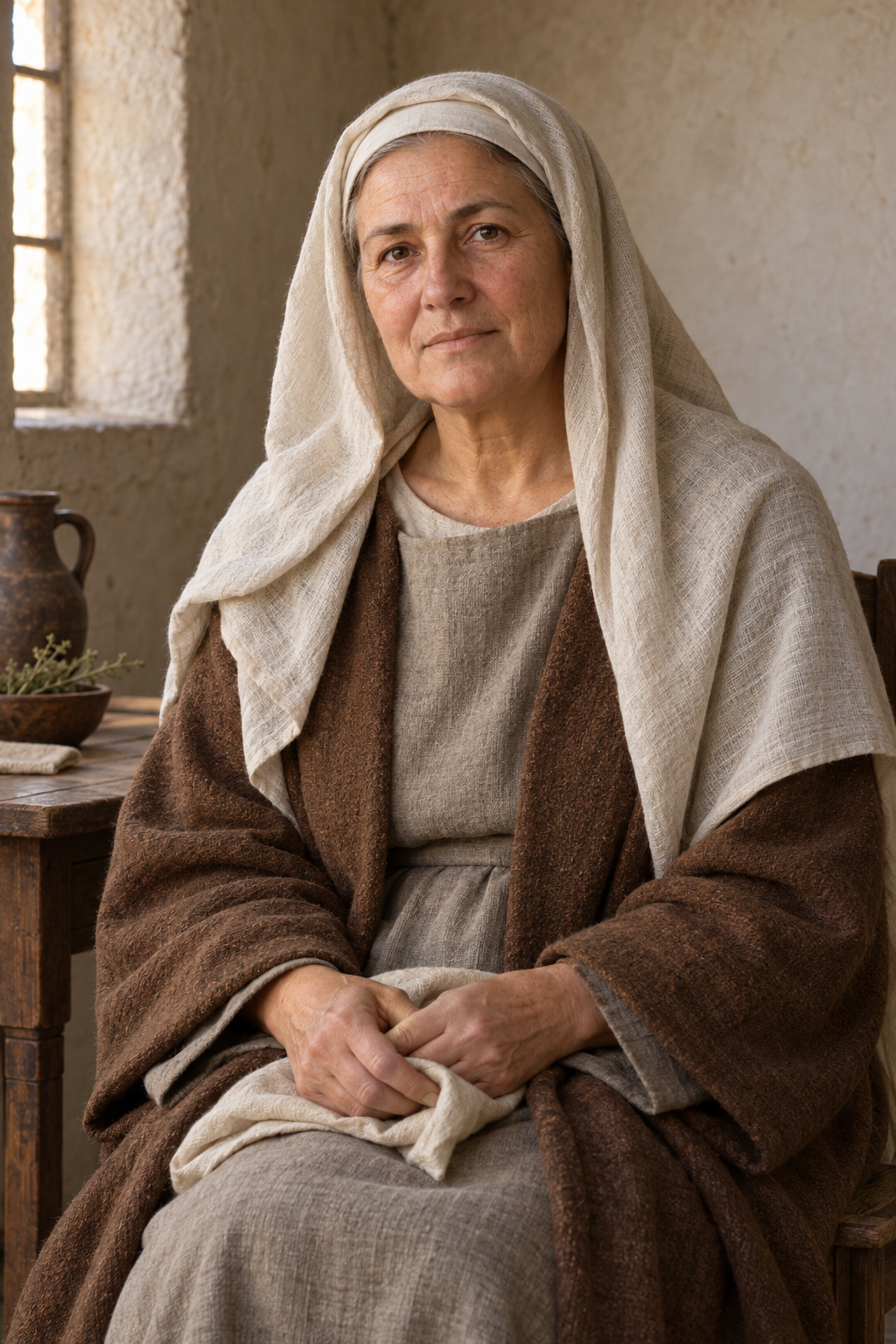
About Rusticula of Arles
Rusticula led a community of women at Arles. The Diocese of Avignon remembers her devotion to prayer and Scripture, her election as abbess at about eighteen, and the political accusations that interrupted her leadership.
Her Life says she was abducted at five by a nobleman planning to marry her later. Royal intervention sent her to a monastery. Her mother’s pleas for her return failed.
The biography is attributed to Florentius. Ignacio Cabello Llano notes that modern scholarship accepts a seventh-century origin, despite an older argument that it was a ninth-century forgery. Its surviving manuscript witnesses are much later. This distinction allows the account to be read as early testimony while acknowledging the distance between composition and the copies now available.
Historian Lindsay Rudge emphasizes the practical demands behind an abbess’s spiritual responsibilities. Her interpretation of Rusticula’s career places a wealthy, visible monastery within the political world around it. Rules of enclosure could help the nuns resist outside pressure, but could not guarantee protection from royal officers.
Accused of political misconduct, Rusticula was removed from her community and imprisoned. The diocesan account says that King Chlothar II eventually recognized her innocence and allowed her to return.
The Life frames that reversal through divine punishment: Bishop Domnolus warns that the king will lose his son for the injustice, and the narrative reports the death. This remains an attributed miracle story.
Rudge also draws attention to the grieving community’s portrayal of Rusticula as a mother. The funeral account reveals connections extending beyond the nuns, including disabled servants associated with the monastery.
The Life ends by asking her to intercede for her community.
Avignon commemorates her on August 12.
Nominis records a local feast on August 11.
Wondering how to weigh the stories and sources? Learn how to read a saint biography.