Biography
Sabinus of Canosa
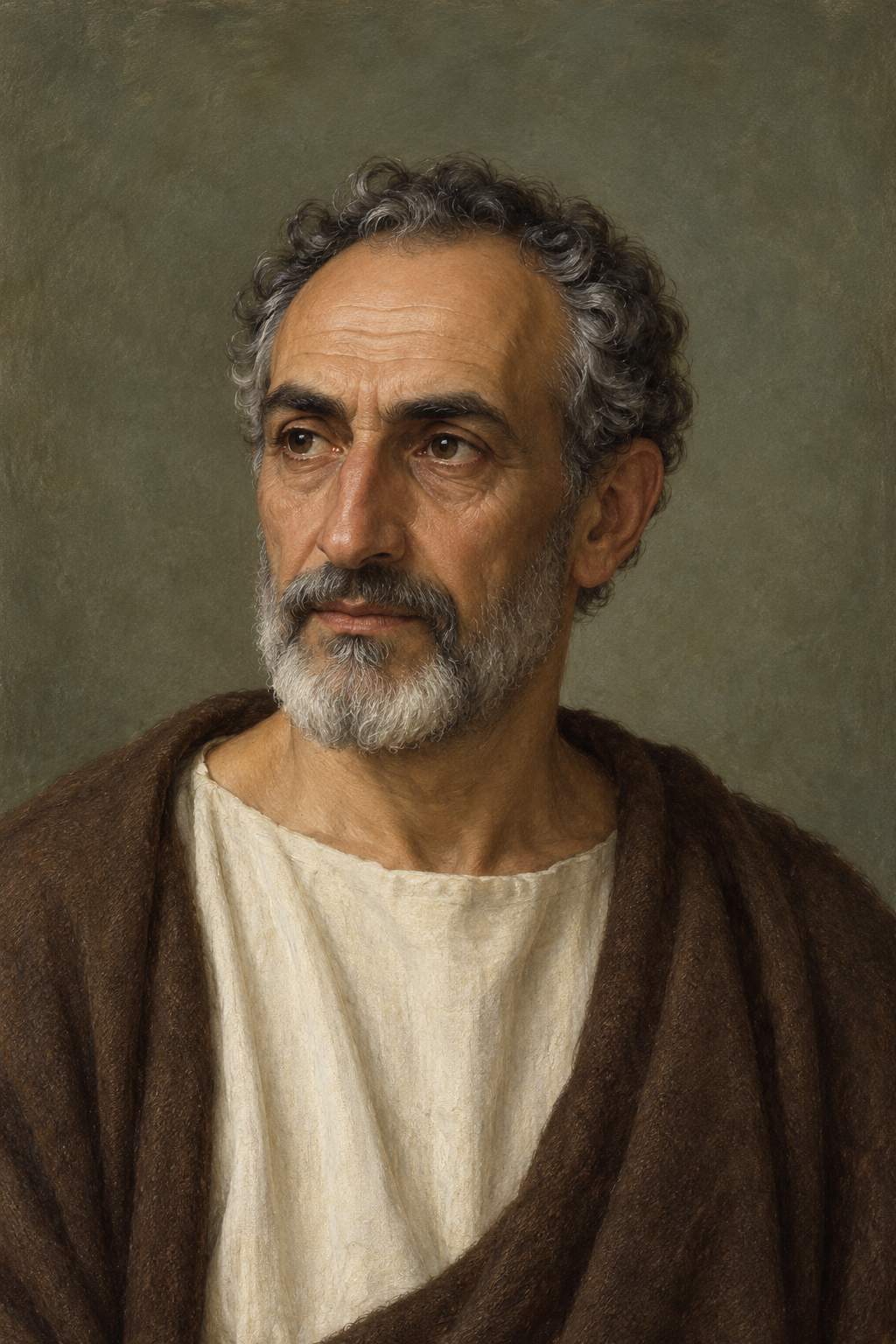
About Sabinus of Canosa
Sabinus was bishop of Canosa during the sixth century, with responsibilities extending beyond his own city. His birth date and birthplace are unknown. In 531 he took part in a Roman council concerned with disputed ecclesiastical jurisdiction in Illyricum and Thessaly. In 536 he headed the western delegation at the council of Constantinople and signed its acts before the other western bishops.
His diplomatic work took place amid disputes between churches and rulers. Pope Agapitus sent him to Constantinople in 535; after the pope’s death there the following year, Sabinus defended his actions at the council. Ecclesiastical negotiations were entangled with efforts to avert war between the Gothic kingdom and imperial forces.
The familiar account of an episcopate lasting from 514 to 566 depends on a much later Life. Historian Ada Campione questions that chronology, noting his disappearance from diplomatic records after 536. His absence may reflect age, local responsibilities or an earlier death; it does not settle which explanation is correct.
At Canosa, his leadership also left a material record. Bricks bearing his monogram connect him with religious building projects. The large baptistery of Saint John, with its twelve-sided plan and adjoining spaces, shows the scale of the provision made for Christian worship. These monuments provide evidence of episcopal patronage distinct from later stories about the saint.
The buildings also shared a material vocabulary: carefully cut blocks of local tuff and mosaic floors with geometric and natural motifs. Such decoration connected Canosa with the wider artistic culture of the late antique Mediterranean, alongside the distinctive marks of its bishop’s patronage.
Excavations have refined the architectural story. The baptistery stood beside an older church identified as Santa Maria, which Sabinus renovated and linked to the new complex. An atrium originally occupied the space in front of the baptistery. A church was built within it only in the seventh or eighth century. If that building is the church of the Savior named in the later Life, its attribution to Sabinus is mistaken. The text’s list of his works cannot be accepted without comparison with the excavated sequence.
His building program also reached beyond the cathedral area. Giuliano Volpe connects the complex of Saint Peter with Sabinus through the widespread use of stamped bricks. He interprets it as a funerary complex, rather than the original cathedral, and proposes that a substantial residence there served the bishop. Mosaics, heated rooms and courtyards show the resources invested in these buildings. The identification of the residence is an archaeological interpretation, not an inscription naming its occupant.
The bricks also bear on how construction was organized. Volpe argues that Sabinus acted as both patron and producer of building materials, with the episcopal monogram marking ownership and asserting authority. Similar material at Barletta extends the picture beyond Canosa itself. The evidence points to coordinated resources and workshops as well as individual church foundations; it does not supply a complete account of the workers or their conditions.
The place of his original burial likewise requires care. Volpe proposes the mausoleum adjoining Saint Peter’s, combining the excavated layout with the Life’s description. He treats the correspondence as a reasoned identification. This is different from possessing a contemporary inscription that securely names the tomb’s original occupant.
His later Life is also evidence for the society that promoted his memory. Campione places its account of the discovery and movement of his relics within Lombard Benevento’s political and religious concerns. Duchess Teoderada and Bishop Peter, related to Prince Grimoald IV, appear as important figures in that narrative. Their presentation connects the saint’s cult with the identity of Lombard rulers who wished to distinguish themselves from earlier invaders and to appear as Catholic protectors. This interpretation explains the work’s interests without turning its miraculous episodes into independently verified events.
Bari venerates Sabinus although he was never its bishop. Its cathedral is dedicated to him, and relics attributed to him are kept beneath the principal altar of the crypt. Canosa also preserves relics it identifies as his. The diocesan account acknowledges the longstanding disagreement between the two cities over their possession, rather than presenting one simple and uncontested history.
The particular objects claimed by each church matter to that history. Canosa identifies a skull and an arm among its relics, while Bari locates its own remains in the cathedral crypt. The claims belong to the devotional records of the two communities; their agreement in honoring Sabinus does not resolve every question about provenance.
The Diocese of Andria names him as patron of Canosa and as a secondary patron of the diocese. This distinction keeps a city’s particular devotion separate from the wider diocesan observance. Canosa celebrates his solemnity on 9 February, with Masses and a procession carrying his image. The cathedral calendar also includes summer patronal celebrations, showing how his remembrance remains woven into the city’s worship.
Wondering how to weigh the stories and sources? Learn how to read a saint biography.