Biography
Salonius
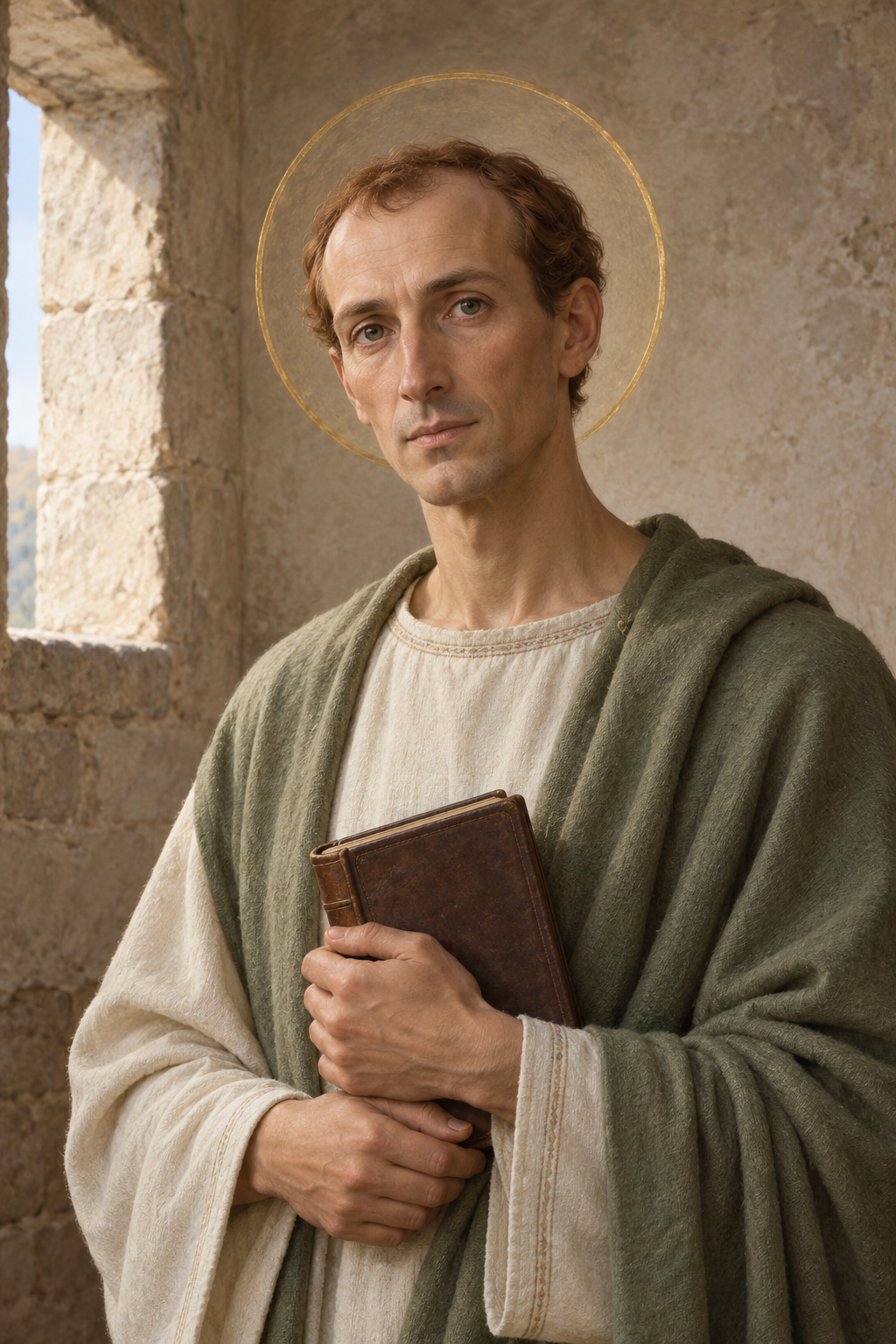
About Salonius
Salonius was a fifth-century bishop of Geneva, born about 400 and remembered for his connections with the religious teachers of southern Gaul. He was the son of Eucherius of Lyon. His formation began at Lérins, where he grew up among monks before becoming a bishop. His life dates remain approximate.
His father’s preface to the Instructiones preserves a particularly close account of that education. Eucherius recalls that Salonius entered the religious retreat when he was not yet ten. Honoratus helped bring him up, and Hilary taught him while still a member of the island community. Salvian and Vincent continued his training. Eucherius praises their learning and eloquence, naming the people who shaped his son rather than describing an anonymous school.
The same preface describes Salonius repeatedly asking questions about difficult passages in Scripture. His father undertook to collect answers from respected teachers and to explain unfamiliar terms encountered in biblical reading and church worship. He preferred concise explanations to elaborate display. The work then takes the form of questions and answers. It preserves a picture of Salonius as a persistent student whose questions prompted a substantial teaching text.
He was bishop of Geneva by 441. Eric Chevalley’s historical entry places him at the councils of Orange in 441 and Vaison in 442, and at an Arles council held sometime between 449 and 461. These attestations place him within the wider gathering of Gallic bishops.
His relationship with Salvian continued after his elevation. In a surviving letter, Salvian addresses him with affection as a former pupil and with the respect owed to a bishop. Salonius had asked why a recent work addressed to the Church appeared under the name Timothy. He wanted a clear explanation of the name and worried that an unexplained attribution could make the work appear suspect.
Salvian answered at length. He explained that the author had avoided his own name through humility and concern that readers might dismiss the argument because of the writer’s standing. The chosen name was intended to direct attention to honoring God. At the end he asked Salonius to pray that the work would benefit its author as well as its readers. The exchange shows a bishop questioning how Christian writing was presented and received.
Salvian also addressed the preface of On the Government of God to Bishop Salonius, explaining his wish to help readers rather than win literary applause.
Another surviving letter joins Salonius with the bishops Ceretius and Veranus in thanking Leo for his doctrinal letter to the bishop of Constantinople. They welcomed its teaching and its warning against error. Their request was practical as well as theological: they had arranged for a copy on parchment and asked Leo to correct copying mistakes and add anything further he considered useful.
They explained that bishops throughout Gaul, and lay readers as well, wished to copy, read and preserve the letter. They also asked that their messengers return soon with news of Leo’s health. Salonius added his own greeting and request for prayer. The letter connects him with the careful circulation of teaching beyond his own church.
Biblical commentaries have also circulated under his name, but their authorship is disputed. A scholarly review of Valerie Flint’s research describes her argument that the relevant commentaries belong to Honorius Augustodunensis and draw on later writers, including Bede and Alcuin. That dispute prevents treating all the surviving texts attributed to Salonius as secure evidence of his own teaching.
His death is conventionally placed about 460. The Catholic calendar listing at Nominis commemorates Saint Salonius on 28 September.
Wondering how to weigh the stories and sources? Learn how to read a saint biography.