Biography
Saturninus of Cagliari
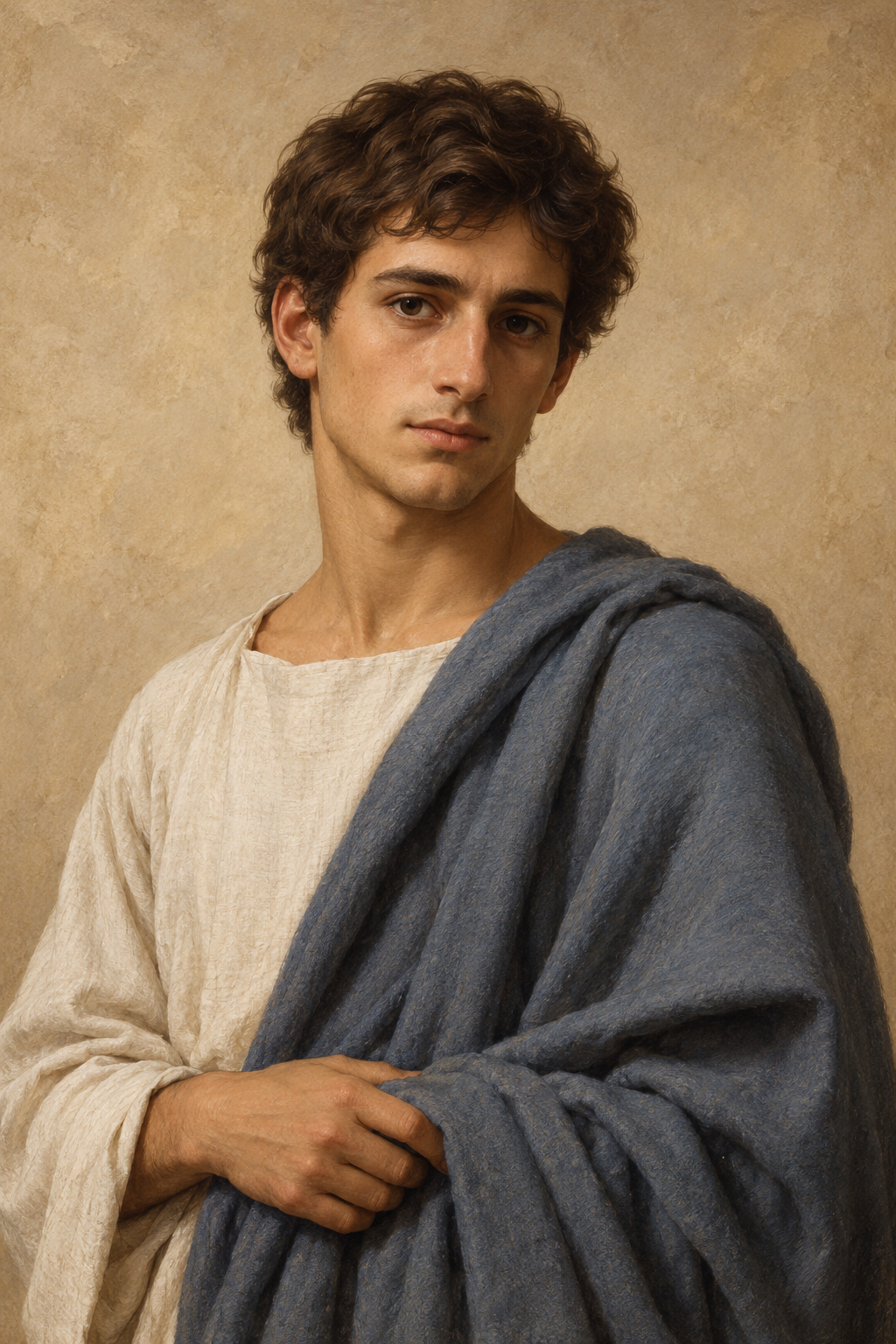
About Saturninus of Cagliari
Saturninus is honored as a Christian martyr of Cagliari in Sardinia. His memory is associated with the persecution under Diocletian, and the National Museums of Cagliari place the traditional martyrdom in 303 or 304.
The later martyrdom tradition presents him as a young man raised by Christian parents. During sacrifices to Jupiter at the city’s Capitolium, someone recognized him as a Christian. He was pursued, arrested and questioned. In the story, he affirmed his faith and refused to sacrifice to gods represented in stone and bronze. He was condemned to be beheaded. Fellow Christians recovered his body and buried it; others subsequently moved it to a burial chamber outside the city. These episodes come from the hagiographic accounts discussed by Rossana Martorelli, rather than from a surviving contemporary trial record.
The transmission of the story is late and complicated. Martorelli notes that its Life and Passion survive in manuscripts and printed versions dating from at least the fifteenth century. She suggests that older material may have been reworked by the medieval monks associated with the sanctuary. The surviving narrative therefore carries the memory of his martyrdom through later generations of devotion and writing.
The early history of the sanctuary has an independent witness. In her study of the monastery, Martorelli begins with the Life of Fulgentius of Ruspe, written by one of his disciples. It describes Fulgentius establishing a monastery beside the basilica of the martyr Saturninus. He had come to Sardinia in exile from North Africa. As the community around him grew, he sought permission from Brumasius, the bishop of Cagliari, for a larger foundation. Martorelli places this development between 519 and 523. The location was removed from the noise of the city, offering space for prayer and meditation.
This notice shows that Saturninus already had a basilica bearing his name by the early sixth century. It also connects the place of his veneration with a community whose members came from the wider Mediterranean Christian world. Martorelli distinguishes the early religious house from later forms of the monastery and considers the changing buildings and gaps in the evidence. The site’s history was not one uninterrupted, unchanged institution.
The church and monastery underwent restoration and rebuilding over the centuries. The Sardinian regional heritage account records their donation in 1089 by the ruler Constantine Salusius II to the monks of Saint Victor of Marseille. After extensive work, the church was inaugurated in 1119. The saint’s name thus remained attached to a religious site whose buildings and occupants changed long after his lifetime.
The same heritage account dates the discovery of relics identified as Saturninus’s to 12 October 1621, during the search for holy bodies associated with Archbishop Francisco d’Esquivel. It places them in the cathedral’s sanctuary of the martyrs, in a sarcophagus above the altar of the chapel dedicated to him. A statue of Saturninus also stands in the cathedral’s chapel of Saint Isidore. The account identifies that work as a sculpture by Giuseppe Antonio Lonis from 1759. These are later settings in which the city preserved and displayed its devotion to the martyr.
The basilica itself remains a visible record of this long history. The Ministry of Culture describes an early building followed by Byzantine rebuilding in the sixth century and later work by the monks from Marseille. Of its cruciform form, the central domed section and parts of the eastern arm survive. The surviving architecture belongs to several periods; it is not a complete building from Saturninus’s lifetime. The church suffered severe damage in the bombing of 1943, followed by reconstruction and restoration. It was reconsecrated and reopened for worship in 2004. The surrounding burial ground remains an area of archaeological investigation. The basilica also changed dedication in 1714, when it passed to the corporation of physicians and apothecaries and was named for Saints Cosmas and Damian. The later name belongs to the history of the same sanctuary, reflecting a change in custody long after its origins.
His local patronage continues beyond the city. A decree signed by Archbishop Giuseppe Baturi on 30 October 2023 recognized Saturninus as co-patron of the parish of San Sebastiano Martire in Ussana. The decree recalls the community’s longstanding devotion, its medieval church dedicated to him and his image on the altar frontal in the present parish church. It responds to a request from the parish priest and community. The accompanying chancery notice made the recognition public in November.
Archaeological objects also preserve the setting of the cult. The National Museums of Cagliari display finds from the cemetery around the basilica, including a small bone lid from a reliquary container dated to the sixth or seventh century. The museum presents these objects in the section devoted to Cagliari. They provide material evidence of the religious setting in which the martyr’s memory continued to be honored.
Wondering how to weigh the stories and sources? Learn how to read a saint biography.