Biography
Seraphim Samoilovich
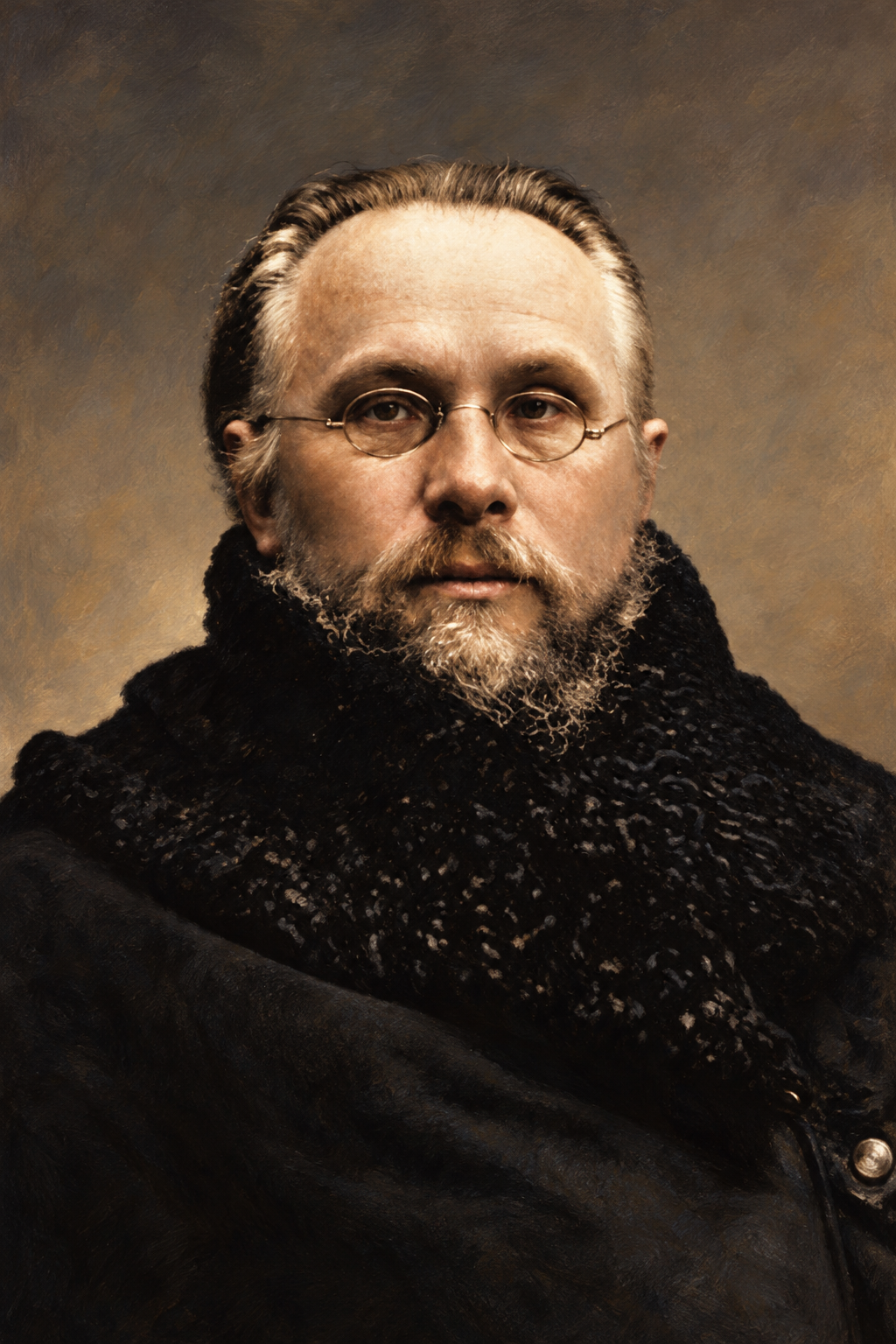
About Seraphim Samoilovich
Seraphim Samoilovich began his ministry as a teacher in Alaska. After graduating from Poltava seminary in 1902, he taught in Unalaska and then Sitka. He became a monk in 1905 and a priest in 1906. He led the Nuchek mission and taught at the Sitka seminary before returning home in 1908 because of poor health.
He later directed monasteries and became bishop of Uglich in 1920. Repeated arrests followed. For roughly one hundred days in 1926–1927, he temporarily led the Russian Church while its senior leaders were imprisoned. He asked dioceses to resolve most matters locally, reserving fundamental and church-wide questions for central oversight. He returned those responsibilities to Metropolitan Sergius after the latter’s release from prison.
Exiled to Kozmodemyansk in 1932, Seraphim received visits from clergy, laypeople and women whose convent had been closed. They sought his counsel amid divisions over the Church’s relationship with Soviet authorities. He was arrested again in connection with a case against a parish at Maly Sundyr. A published account of his interrogation records his opposition to the state’s antireligious policies. It also preserves his criticism of forced dispossession and removal of peasant families: he regarded these measures as oppression that deepened hostility between people. These statements survive through an account citing the investigative file, rather than an independently recorded public speech. In June 1933 he was sentenced to exile in the Northern Territory.
In Arkhangelsk, Seraphim continued writing about the crisis in church leadership. His December 1933 statement sharply accused Sergius of betraying the Church’s freedom and teaching. He sought the judgment of Archimandrite Neophytus and Metropolitan Kirill before publishing it. Their correspondence shows disagreement even among those who opposed Sergius’s policies. Kirill warned that accusations of heresy could make reconciliation harder and urged caution about steps that could deepen division. Seraphim also argued with members of his own Uglich flock. He eventually acknowledged that the questions had been posed too sharply, while retaining his convictions. Historian Sergei Nikolaev’s examination of the surviving archive found no evidence that a council of exiled bishops had adopted Seraphim’s statement. The letters show a personal proposal under discussion, not an agreed decision of such a council. His arrest in May 1934 prevented its planned publication.
Seraphim was executed in a Soviet labor camp in November 1937. The Russian Orthodox Church canonized him in 2000.
Wondering how to weigh the stories and sources? Learn how to read a saint biography.