Biography
Serapion of Novgorod
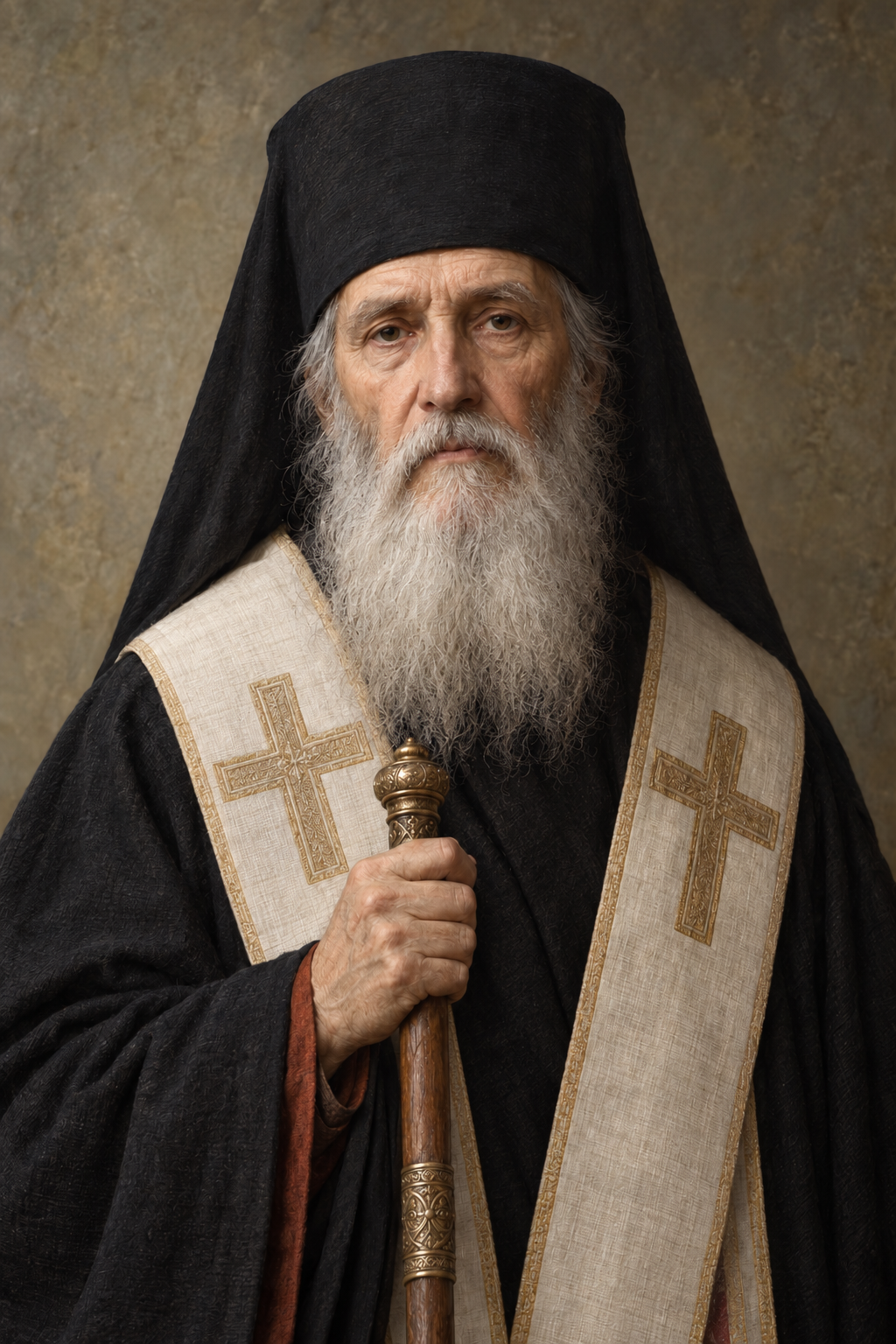
About Serapion of Novgorod
Serapion came from Pekhorka near Moscow. His received Life describes an early wish for monastic life, a marriage arranged by his parents, ordination to the priesthood, and widowhood. He entered the Dormition monastery at Dubenka and eventually led it, before moving to the Trinity monastery. There he became abbot in 1495. The church account remembers his intercession with Ivan III for condemned people and his subsequent elevation to the see of Novgorod in 1506.
His short episcopate ended in a conflict with Joseph of Volokolamsk. Joseph sought the protection of Grand Prince Vasili III for his monastery, and Serapion regarded the move as a challenge to his authority. He excommunicated Joseph in 1509. Joseph appealed, and the higher ecclesiastical tribunal overturned the sentence, deposed Serapion, and sent him into confinement. T. Allan Smith’s study places the dispute amid competing claims of bishops, monasteries, and princes. It also cautions that both men’s letters defend their own positions, while later Lives seek to justify their respective saints. Smith finds no secure evidence that the two antagonists personally reconciled. Serapion made peace with Metropolitan Simon in 1511, but the later scene in which he forgives Joseph after Joseph’s death belongs to hagiographic remembrance.
Serapion’s own side of the dispute cannot be recovered by reading Joseph’s defenders alone. Alexander Kazakov analyzes the Life’s deliberate defense of episcopal prerogatives over a subordinate abbot. He draws attention to its mixed composition: sharp criticism of Joseph appears beside a more conciliatory account. The disagreement between the saints was therefore also a disagreement over jurisdiction and the proper use of church law. Modern interpretations differ over how much historical weight to place on the reconciliation narrative.
The Orthodox Encyclopedia further warns against treating the surviving Life as an untouched contemporary record. Its manuscripts date from the late sixteenth and seventeenth centuries, and the text has links with other saints’ Lives. The embedded letter to Metropolitan Simon belongs to 1509, but its surrounding narrative underwent later transmission and additions. That distinction matters: a personal defense written during the crisis and a later account of sanctity answer different questions.
After his release, Serapion returned to the Trinity monastery and spent his final years in prayer. He received the great schema and died on March 16, 1516. The OCA account places the discovery of his remains in 1517, a date disputed by the Orthodox Encyclopedia; reports of healing and later appearances sustained his veneration. He is venerated as a holy bishop despite his contested deposition.
Wondering how to weigh the stories and sources? Learn how to read a saint biography.