Biography
Seridos of Gaza
About Seridos of Gaza
Seridos of Gaza led a monastery near Thauatha in the early sixth century. His community belonged to a landscape of monks living together and hermits living nearby. In her study of its organization, Bénédicte Lesieur describes Seridos as a disciple of Barsanuphius and places the monastery’s foundation shortly before 520, while noting an alternative dating to the late fifth century.
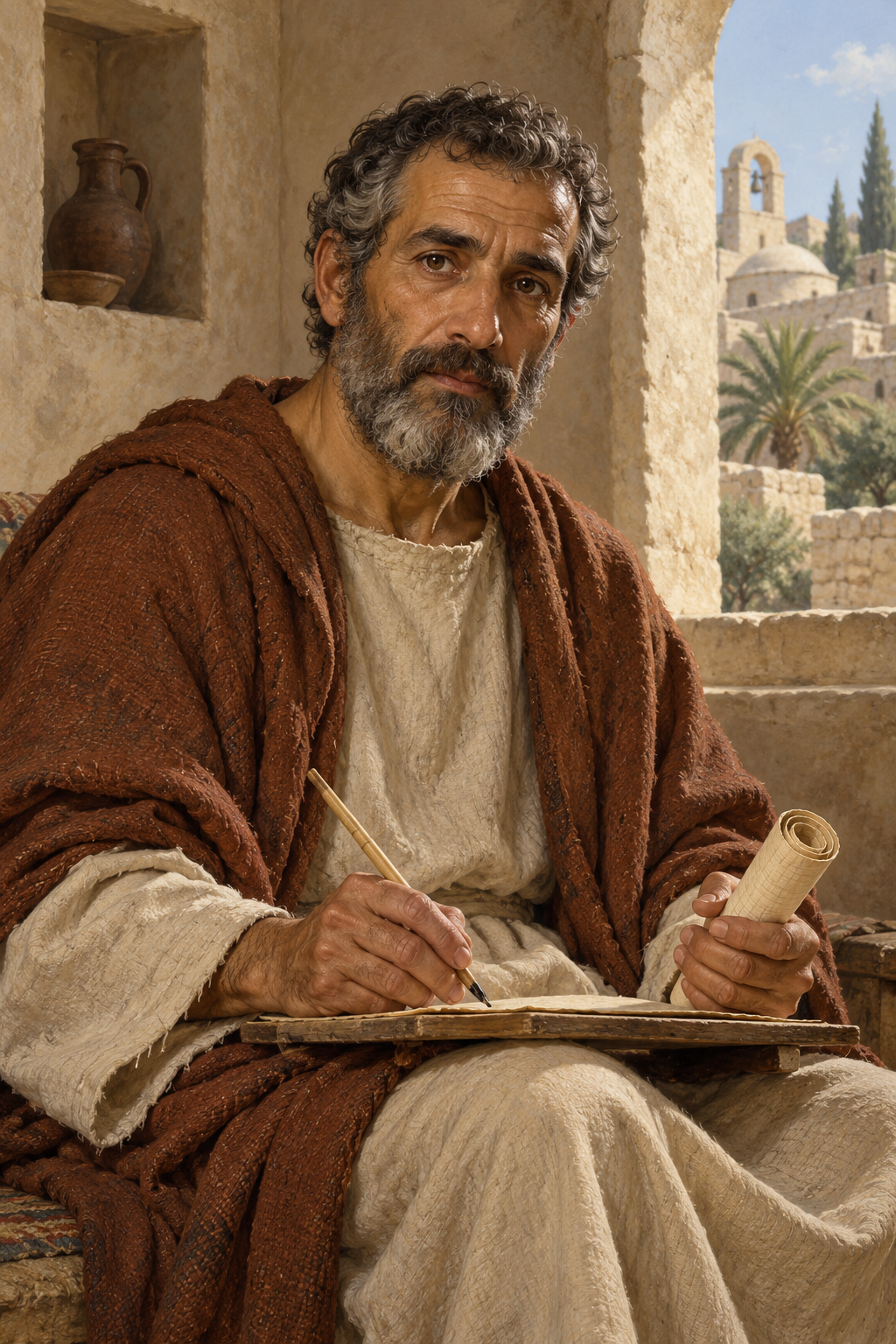
As Siméon Vailhé explains, Seridos sought the advice of Barsanuphius and John while directing the community. He also served as Barsanuphius’s secretary.
An account preserved within the elders’ correspondence describes Seridos’s severe youthful asceticism and resulting illness. It attributes his recovery to Barsanuphius’s prayer and says that the elder then instructed him to moderate his treatment of his body so that he could govern the monks. The same narrative praises his obedience while recording that he endured beatings from his teacher.
One episode concerns land needed for a church and guesthouse. After its owner finally agreed to sell, Seridos privately consulted a monk staying on the property. He promised to abandon the purchase if it distressed him. The monk consented, and the transaction proceeded. When someone criticized his willingness to place one person’s concerns before the community’s needs, Seridos explained that he had sought a peaceful agreement.
The account also remembers him as a mediator among people in conflict. During a serious fever, it says, he prayed for patience and gratitude.
The exact physical setting remains uncertain. Lesieur questions an earlier identification of Seridos’s monastery with the excavated site at Umm el Amr, associated with Saint Hilarion. She observes that the correspondence does not mention Hilarion’s relic or the crypt central to that site.
The Serbian Orthodox Diocese of Western America lists Seridos’s death in 543.
The Catholic Church in Norway gives an approximate date of 540.
The Orthodox Church in America remembers Seridos as the person who wrote down Barsanuphius’s replies and records his August 13 commemoration.
Nominis also lists an August 13 local Catholic observance.
Wondering how to weigh the stories and sources? Learn how to read a saint biography.