Biography
Severus of Naples
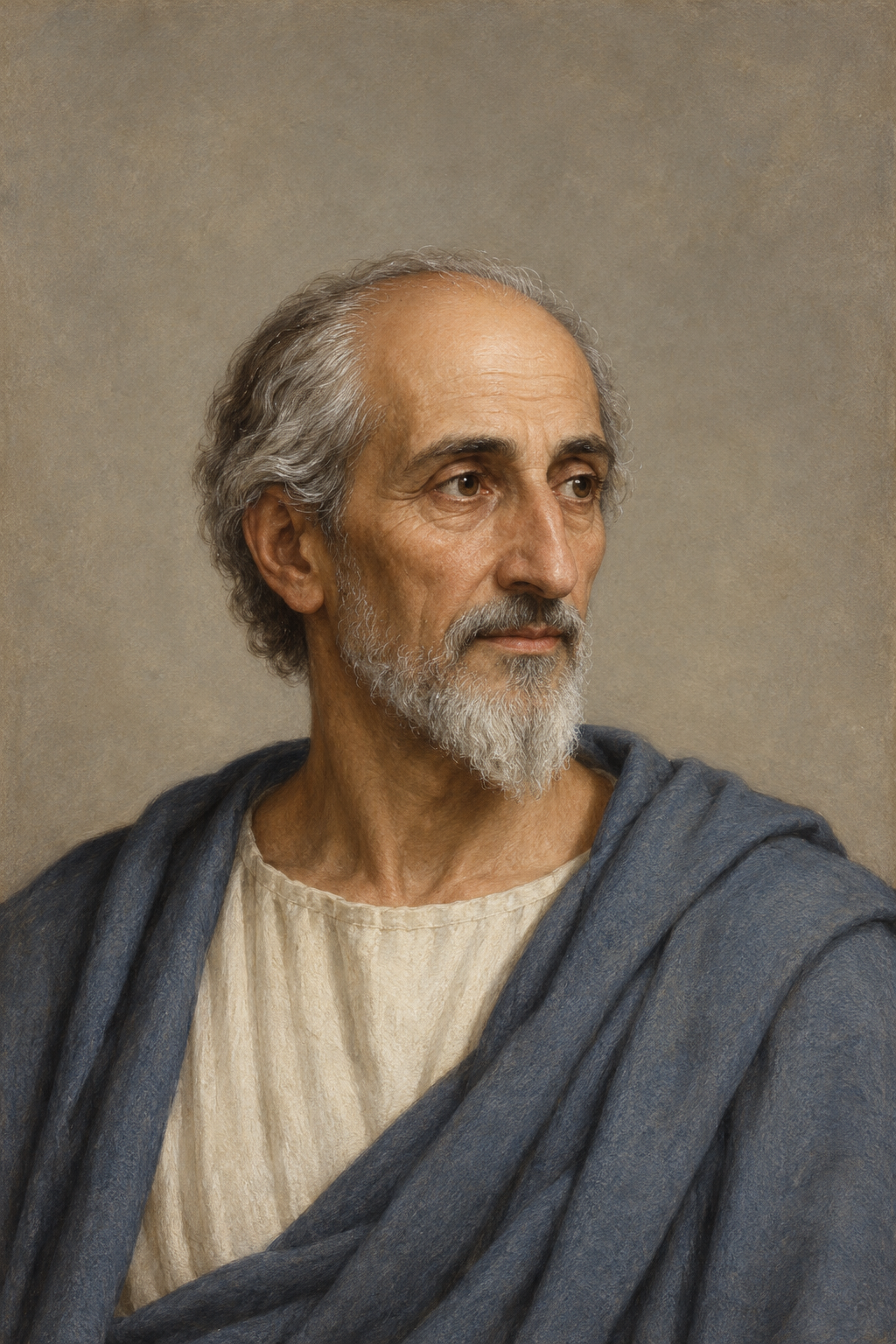
About Severus of Naples
Severus appears as the twelfth bishop in the Church of Naples’ episcopal list, which places a reference to him around 393. The list is cautious about his dates, and his exact period of office remains uncertain.
A letter from Ambrose of Milan gives a more personal glimpse of his world. Ambrose tells Severus about James, a priest who had come from Persia and chosen the coast of Campania as a place of rest. He contrasts that peaceful setting with the conflict surrounding himself and ends with an affectionate greeting. The letter places Severus within a network of Christian clergy extending beyond Italy, without providing a full account of his own life.
Later narratives require a different kind of reading. The Enciclopedia Cattolica describes his medieval Life as a compilation that incorporates material originally concerning other people. Its stories cannot all be treated as events in Severus’s biography. His memory also became attached to San Giorgio Maggiore in Naples, where his remains were transferred from an earlier burial place.
Devotion to him was established in medieval Naples, where he was honored as a patron. His feast was moved to 30 April in 1294. The written lives, liturgical observances and later representations show how his memory developed long after his episcopate.
His connection with the city of San Severo is later. Scholar Lidya Colangelo traces the introduction of his cult there to the early eighteenth century and distinguishes him from Severinus of Noricum, the city’s older patron. She questions the historical basis of his patronal election while recording his place in the diocesan calendar. Local devotion is therefore real, but it should not be used to invent an ancient link between the bishop and that city.
In a homily published in 2026, the bishop of San Severo remembered him as a pastor committed to the Gospel and to the people entrusted to him. That continuing remembrance belongs to the history of his cult, alongside the much smaller body of evidence for his lifetime.
Wondering how to weigh the stories and sources? Learn how to read a saint biography.