Biography
Stephen of Muret
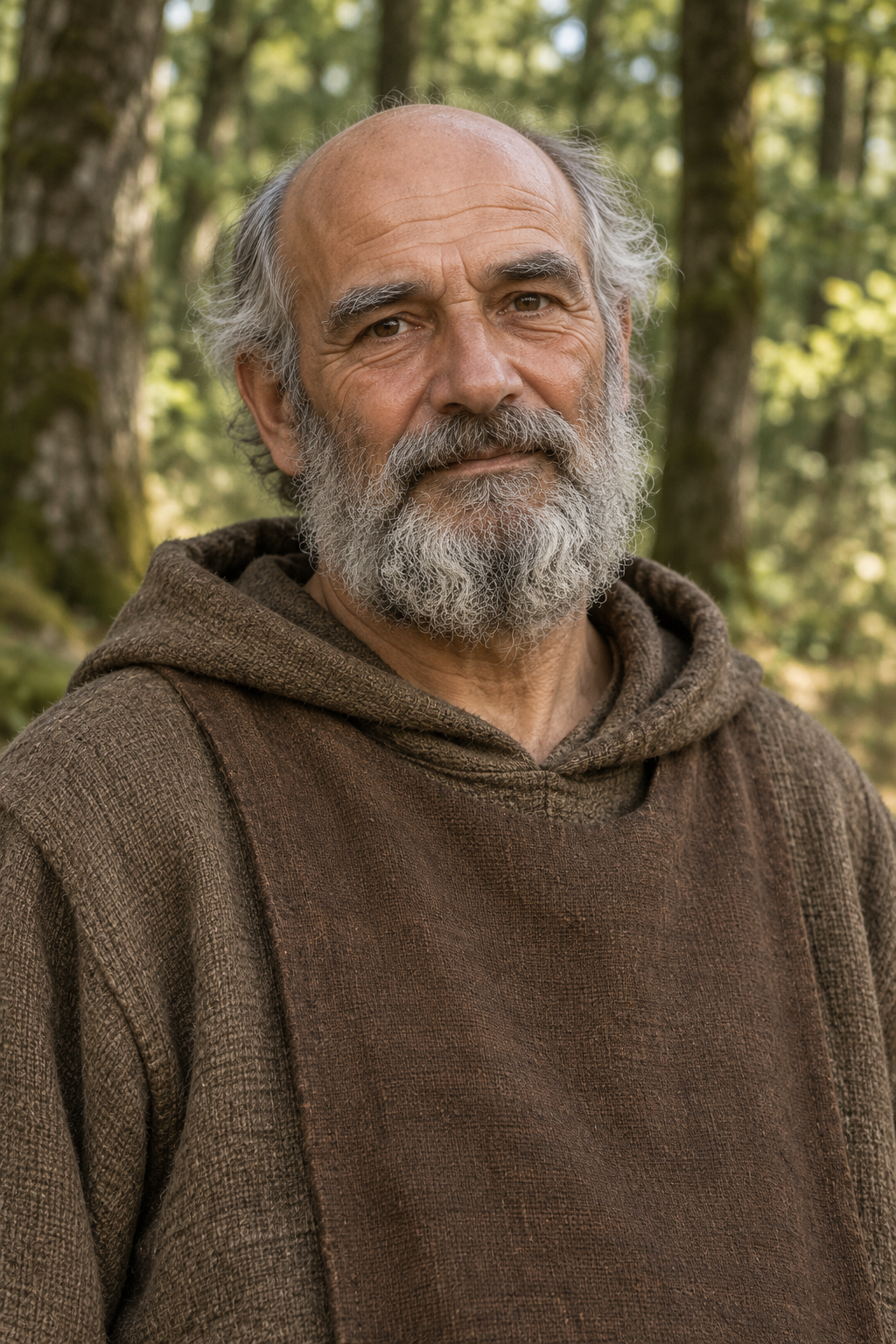
About Stephen of Muret
Stephen of Muret gathered a community of hermits in the Limousin. He first lived in solitude in the woods of Muret, and disciples gradually joined him. After his death, they moved to Grandmont, whose name became the name of their religious order. In the later order, lay brothers managed practical affairs so that the choir monks could devote themselves to spiritual duties.
Much less can be established about Stephen’s earlier life. The familiar story sends him from Auvergne to Italy as a boy, places him under an archbishop’s care, and traces his vocation through Italian religious communities. Douglas Raymund Webster’s account in the Catholic Encyclopedia identifies serious chronological problems in that narrative. Its pilgrimage to the relics of Nicholas at Bari and its account of the archbishop’s tenure cannot be fitted into the proposed sequence. The disputed narrative should not be treated as a secure itinerary.
Historian Maire-Marie Wilkinson distinguishes that elaborate early-life story from memories preserved through Stephen’s disciple Hugh of Lacerta. In her reading, the latter tradition offers a much less detailed account: a man believed to come from a wealthy Auvergnat family renounced worldly standing and settled at Muret. She also questions the claim that he was a deacon. These differences leave his childhood, training and clerical status uncertain.
The remembered teaching gives a clearer account of the community’s purpose. Wilkinson examines the prologue to its rule, where Stephen directs the brothers toward the Gospel as the source of religious life. He draws on the traditions of Basil, Augustine and Benedict, rather than presenting their rules as rival allegiances. Instruction took the form of conversation with his disciples, and Hugh and other brothers helped preserve it after his death.
The order’s later written rule was not a document securely preserved from Stephen’s own hand. The Catholic Encyclopedia describes its compilation after his death and the community’s demanding practice of poverty, silence and fasting. The early rule restricted possessions and allowed begging only when the house had no food. The movement’s eventual organization and growth belonged substantially to his successors.
Even the year of his death requires care. The commonly repeated date is February 8, 1124; Wilkinson argues for 1125 when the medieval year is reckoned in modern terms. The disagreement does not alter the February 8 commemoration.
Stephen was canonized in 1189. His remembrance centers on the hermit whose example drew others into a common life, even though the surviving accounts do not supply a dependable narrative of every stage of his own life.
Wondering how to weigh the stories and sources? Learn how to read a saint biography.