Biography
Stephen of Rossano
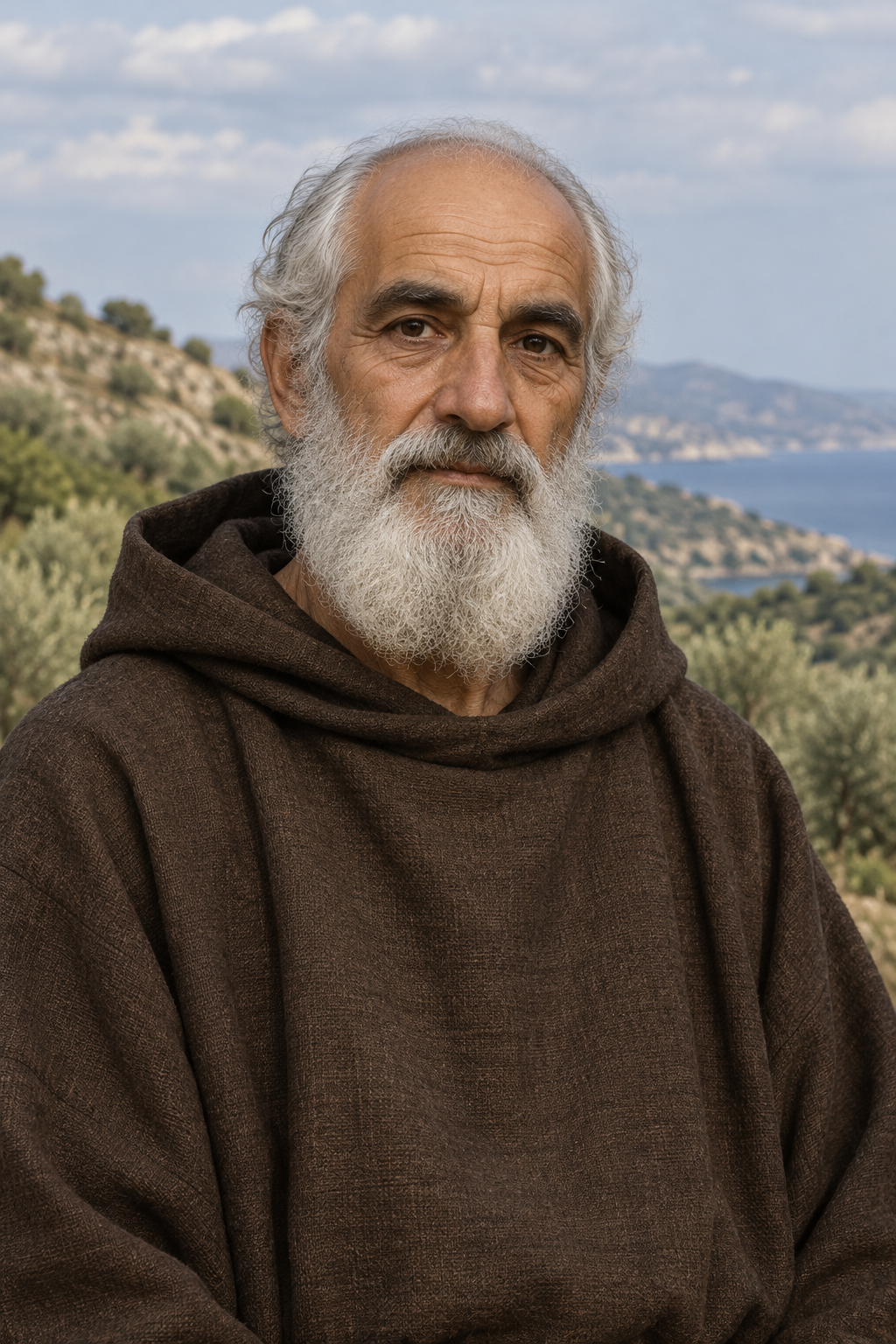
About Stephen of Rossano
Stephen was among the earliest disciples of Nilus of Rossano. The Prosopographie der mittelbyzantinischen Zeit, drawing on the Life of Nilus, describes him as coming from a farming family. After losing his father, he lived with his mother and sister before joining Nilus in the Mercurion region.
The Life describes Stephen arriving with a firm wish to become a monk, despite Nilus’s warning that food was scarce. His training included learning prayers and the Psalter, long vigils and manual work. The account also describes harsh rebukes and physical punishment, presenting his endurance as obedience. These details belong to the hagiographer’s portrayal of monastic discipline.
Nilus arranged for Stephen’s mother and sister to enter the community led by Theodora. Stephen returned there in summer to help with the harvest, then resumed work alongside the monks. When raids separated the companions, Nilus feared Stephen had been captured and was prepared to share his captivity. The narrative resolves that fear when he learns that Stephen and the brothers are safe.
The abbey of Grottaferrata describes Nilus’s monastic formation through humility, obedience, prayer and manual work. It traces the community’s movement from Calabria to Valleluce, a dependency of Montecassino where the monks continued their Eastern liturgy, and then to Serperi near Gaeta. This is the wider monastic setting of Stephen’s discipleship, rather than a record of individual duties assigned to him.
The scholarly prosopography places Stephen among Nilus’s close followers when the community left Valleluce. It locates his death and burial at Serperi and, from the internal sequence of the Life, dates his death after January 1002 or shortly afterward. This chronology does not establish an exact day of death.
At Stephen’s deathbed, the Life shows him blessing the assembled brothers at Nilus’s request. Nilus then mourns their long companionship and asks for a grave large enough to receive them both. The scene remembers Stephen through the shared work and affection of a lifetime.
Nominis lists his commemoration on September 26 and gives 1001 as his death year. The scholarly chronology instead points to about 1002; the feast date does not resolve that difference.
Wondering how to weigh the stories and sources? Learn how to read a saint biography.