Biography
Tetrade of Bourges
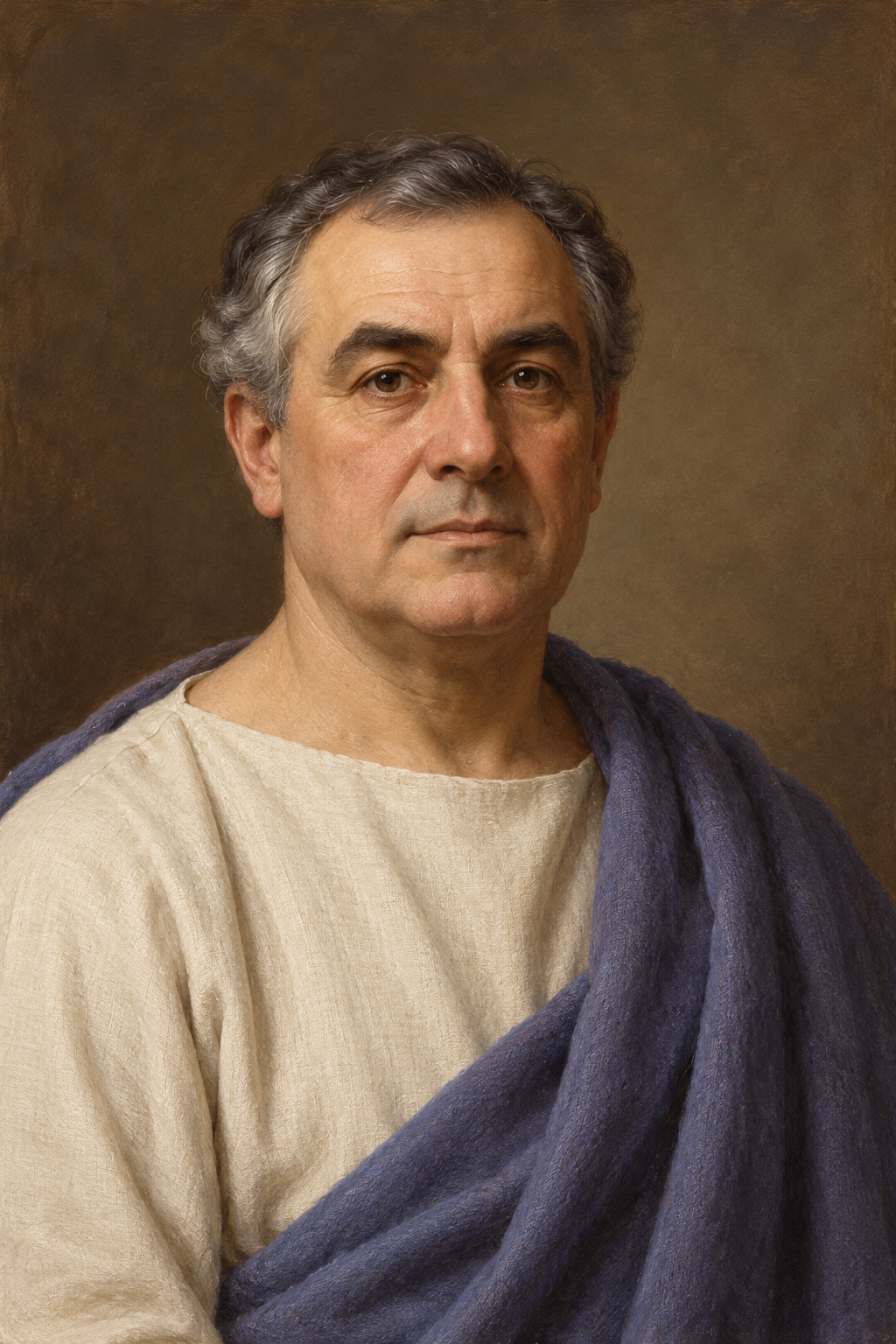
About Tetrade of Bourges
Tetrade, also called Tetradius, was an early-sixth-century bishop of Bourges. The French bishops’ calendar recognizes him as a saint and records his feast on 16 February. His surviving profile is brief, with more secure evidence for his participation in church councils than for the circumstances of his early life.
His name appears among the subscriptions to the Council of Agde in 506, identified with the metropolitan church of Bourges. The council’s preface describes an assembly concerned with clergy, bishops and church affairs. Its rules addressed matters such as the age of ordination and the foundation of monasteries. They also assumed the ownership of enslaved people by churches, a feature of the society in which these bishops worked. His subscription establishes participation; it does not identify him as the author of each rule.
The Presbyters Project places him at the first Council of Orléans on 10 July 511, among five metropolitan bishops in an assembly of thirty-two bishops. King Clovis convened the gathering after his conquest of Aquitaine. The project interprets it as an effort to establish common church law across the king’s enlarged territories. The bishops addressed their decrees to him for confirmation.
One surviving rule required the removal from office and communion of priests or deacons who committed a capital crime. This is evidence of the assembly’s concern with clerical accountability. It does not establish a particular prosecution conducted by Tetrade in Bourges.
The calendar gives his death as approximately 512, but also repeats an uncertain episcopate range ending earlier. The council evidence therefore offers a firmer outline of his activity than those inconsistent dates. His commemoration preserves the name of a bishop whose personal history remains sparsely known.
Wondering how to weigh the stories and sources? Learn how to read a saint biography.