Biography
Thecla of Iconium
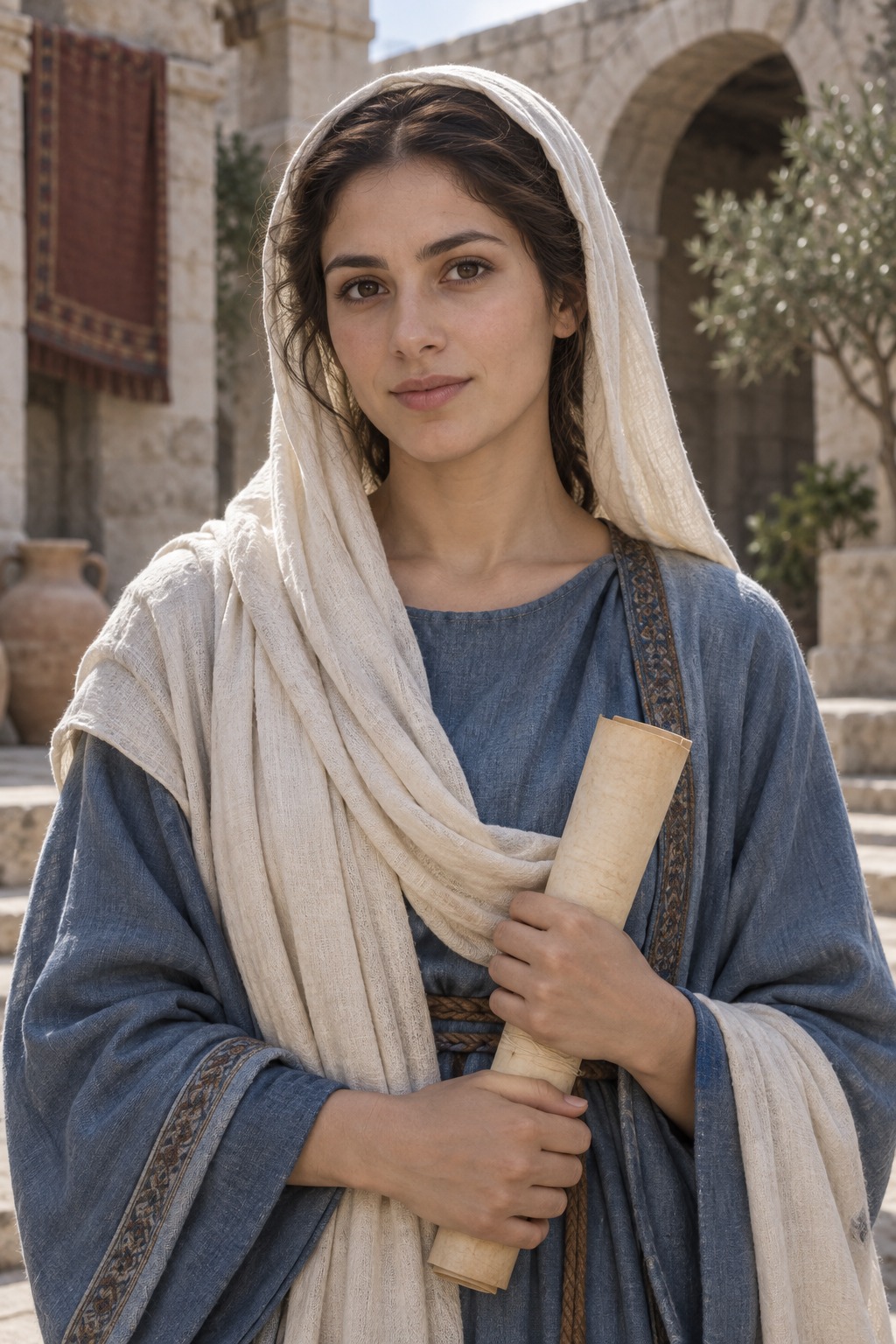
About Thecla of Iconium
Thecla of Iconium is remembered as a woman who chose Christian discipleship over an expected marriage. Her story comes from the second-century Acts of Paul and Thecla, not from a contemporary biography. Stephen Davis's study traces how this narrative helped make her a model for women pursuing an ascetic life. The history of that devotion is better documented than the events of her own life.
In the Acts, Thecla listens to Paul from a window and refuses the marriage arranged for her. She gives possessions to gain access to him in prison. After surviving a sentence of burning, she travels to Antioch, where she resists Alexander's assault and is condemned to wild beasts. Tryphaena shelters her, and women protest her treatment. The narrative describes a protective lioness and Thecla baptizing herself in a pool. Released again, she teaches in Tryphaena's household and later receives Paul's encouragement to teach. These are episodes in an ancient religious story, including its miracles, not independently verified events.
The story also became part of a dispute about women's authority. Tertullian opposed appeals to Thecla as a precedent for women teaching and baptizing. He claimed that an Asian presbyter had composed the work under Paul's name and lost his position after admitting it. His hostile account shows that readers were already using Thecla's example in arguments about Christian practice; it does not turn the narrative into an eyewitness record.
The pilgrim Egeria left a different kind of evidence: a description of visiting Thecla's sanctuary near Seleucia. She found communities of both women and men around the shrine and met her friend Marthana, a deaconess who led women ascetics. Egeria records prayer, Communion, and a reading of the whole Acts of Thecla. Her account lets us see people gathering around the story, hearing it together, and making it part of their worship.
By the fourth and fifth centuries, devotion to Thecla had spread widely. At Seleucia, archaeological remains include basilicas, baths, and cisterns. The sanctuary's development belongs to the history of pilgrimage and Christian communities, rather than establishing a precise birth or death date for Thecla.
In Tarragona, remembrance acquired a civic form. The city's history describes ordinances issued on July 26, 1370, governing the festival's worship, processions, guild dances, banners, and decorated streets. Thecla's name thus became attached to a shared public celebration far from the places named in her story.
The Orthodox Church in America commemorates her on September 24 as Protomartyr and Equal of the Apostles. These are titles of veneration; they should not be mistaken for proof that she was the first woman executed for Christianity. Its account instead ends with the tradition of her refuge in a rock near Seleucia.
Wondering how to weigh the stories and sources? Learn how to read a saint biography.
Explore similar vocations
Prayers for Thecla of Iconium
Thecla: troparion petition
intercede before Christ God that our souls may be saved.