Biography
Theodosia of Tyre
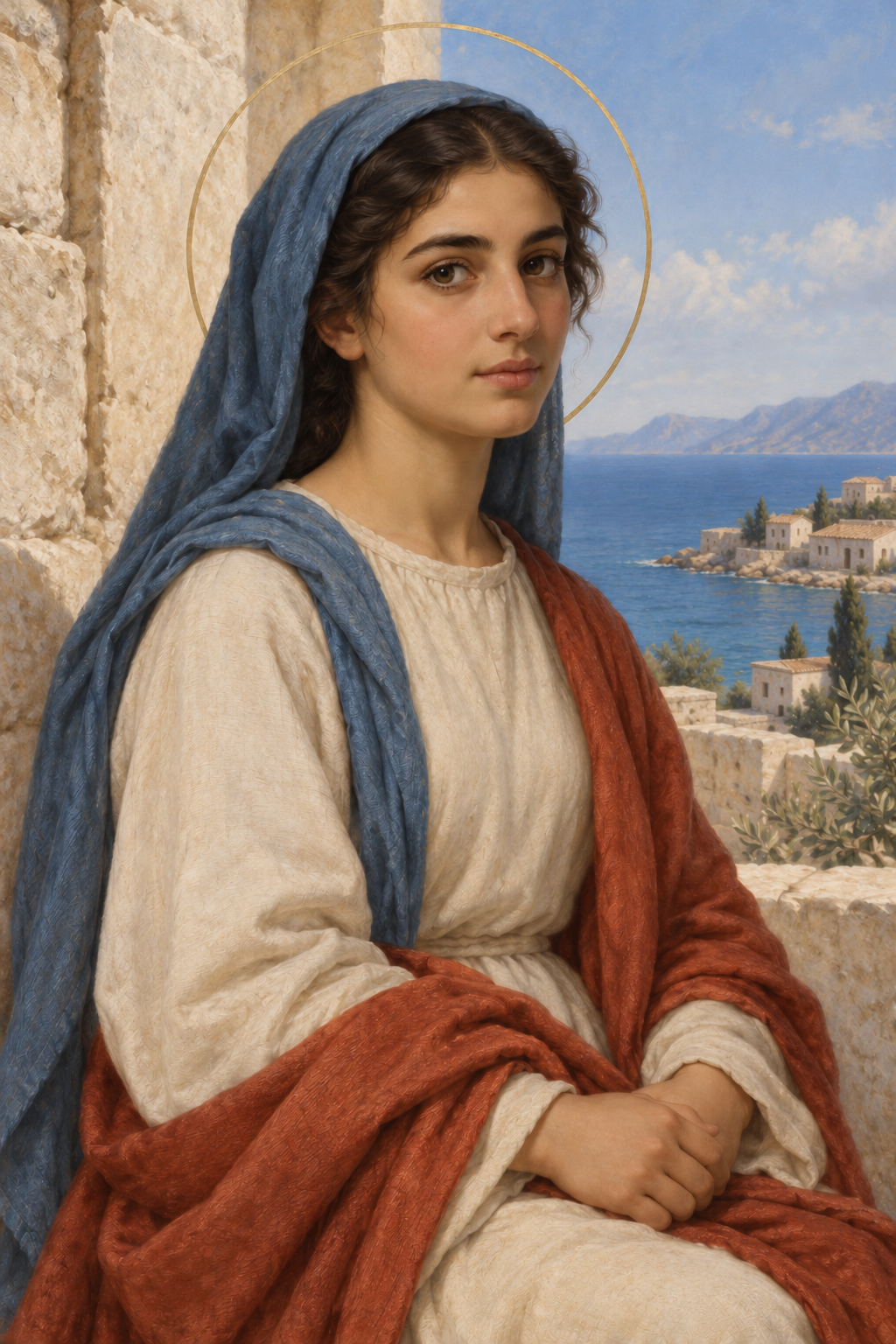
About Theodosia of Tyre
Theodosia was a young Christian woman from Tyre who was killed at Caesarea in Palestine during the persecution of the early fourth century. Eusebius of Caesarea records that she was not yet eighteen.
She approached the prisoners while they were before the governor’s tribunal, greeted them and asked to be remembered in their prayers. Officers seized her and brought her before Urbanus. In the longer account, he ordered her to sacrifice; she refused and endured torture. He then sentenced her to be thrown into the sea. The prisoners she had greeted were sent to the copper mines.
The longer narrative gives her a speech expressing joy at sharing the martyrs’ suffering. It also compares her endurance to a shield that received the violence intended for the prisoners.
James Corke-Webster’s study draws attention to this contrast between the young woman and the official. He reads Eusebius’s portrayal of Theodosia as part of a deliberate contrast between vulnerable, self-controlled martyrs and rulers who fail to govern their anger. Her youth and gender make the reversal of expected strength especially marked in the narrative.
The date is less straightforward than a single calendar entry suggests. The Greek account places the event on 2 April, during the fifth year of persecution, and calls it Easter Sunday. McGiffert’s editorial notes argue for 307 while explaining an inconsistency in the reckoning of the persecution’s years. He also observes that the Syriac account names Sunday without specifying Easter.
The Orthodox Church in America’s life gives 307 or 308 and adds episodes beyond the early account. In this later tradition, angels rescue Theodosia from the sea, wild beasts leave her unharmed, and she is finally beheaded. That night she appears to her parents in radiant clothing, wearing a crown and carrying a shining cross. These episodes belong to the later devotional story.
The same church commemorates her on 3 April and also on 29 May, which its life associates with the transfer of her relics to Constantinople and later Venice. The French bishops’ Nominis calendar instead lists 2 April and also preserves the name Théodora.
Wondering how to weigh the stories and sources? Learn how to read a saint biography.