Biography
Theodulf of Saint-Thierry
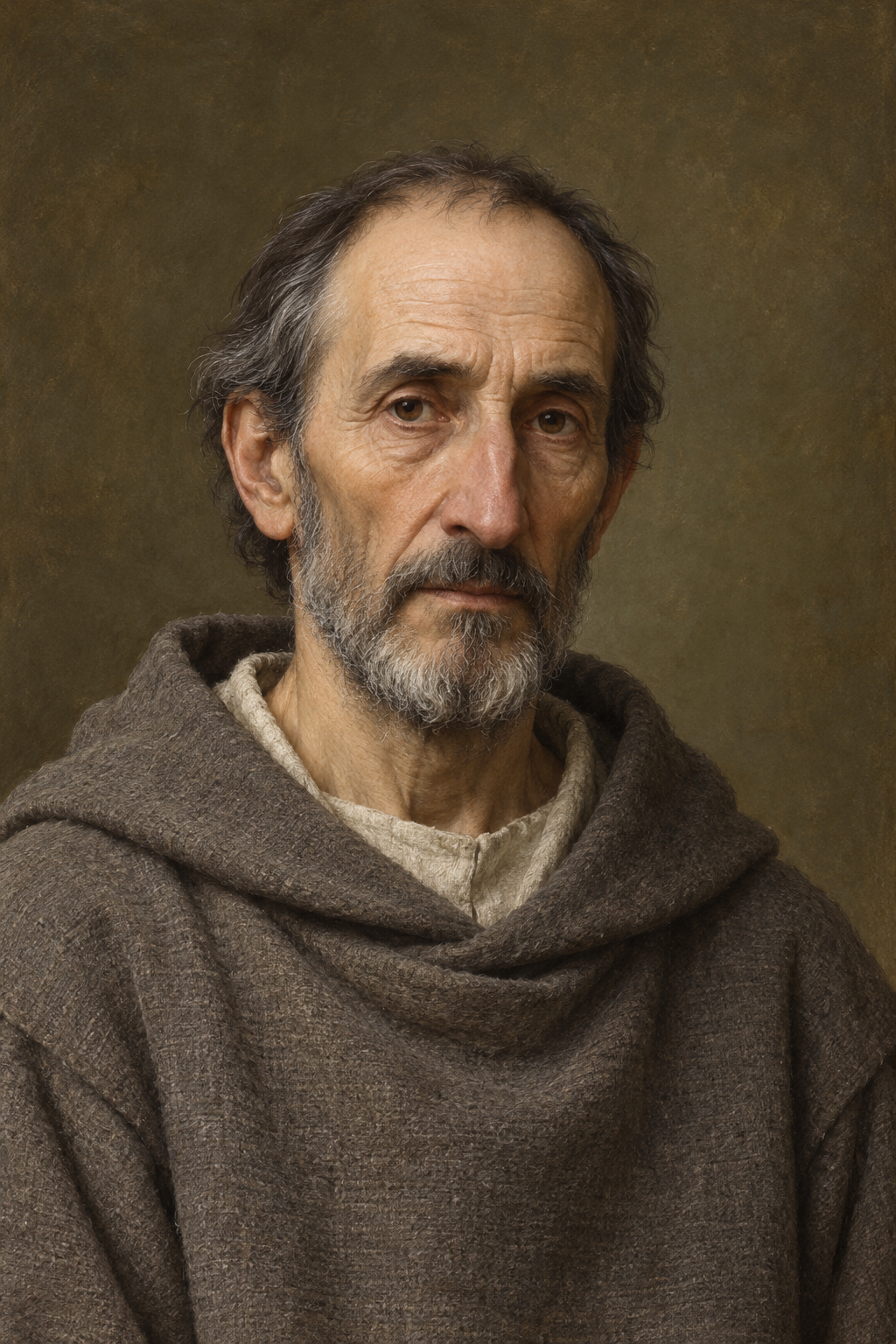
About Theodulf of Saint-Thierry
Theodulf, also called Thiou, is remembered as a sixth-century abbot of Saint-Thierry near Reims. His history must be separated from that of a namesake venerated at Trier. Bastien Dubuisson’s study shows how later promoters of the Trier cult borrowed the Reims abbot’s biography to strengthen claims about their own relics.
Flodoard portrays Theodulf as a monk who worked the land before becoming abbot. His account emphasizes manual labor and prayer, but also contains stories of supernatural punishment. A man who cuts a tree grown from the monk’s staff is said to become blind. A farmer who ploughs a public road receives a white mark on his head, inherited by his descendants, after Theodulf touches him. Another story describes an angry envoy’s horse dying and being restored. These are elements of a later religious narrative, not independently established events.
The Trier tradition eventually claimed that the abbot’s body had been moved there before an invasion. Dubuisson finds that this account does not match the evidence from Saint-Thierry. The two cults should therefore not be combined simply because later writers gave them the same life story.
At Villers-Franqueux, a church dedicated to Theodulf is recorded from the early fourteenth century. Successive buildings suffered fire and wartime destruction; the present church was rebuilt after the First World War. This documented dedication preserves his local memory without providing contemporary evidence for his life.
A church at nearby Trigny also bears his name, with its oldest surviving parts dating from the twelfth century.
Wondering how to weigh the stories and sources? Learn how to read a saint biography.