Biography
Theoleptos of Philadelphia
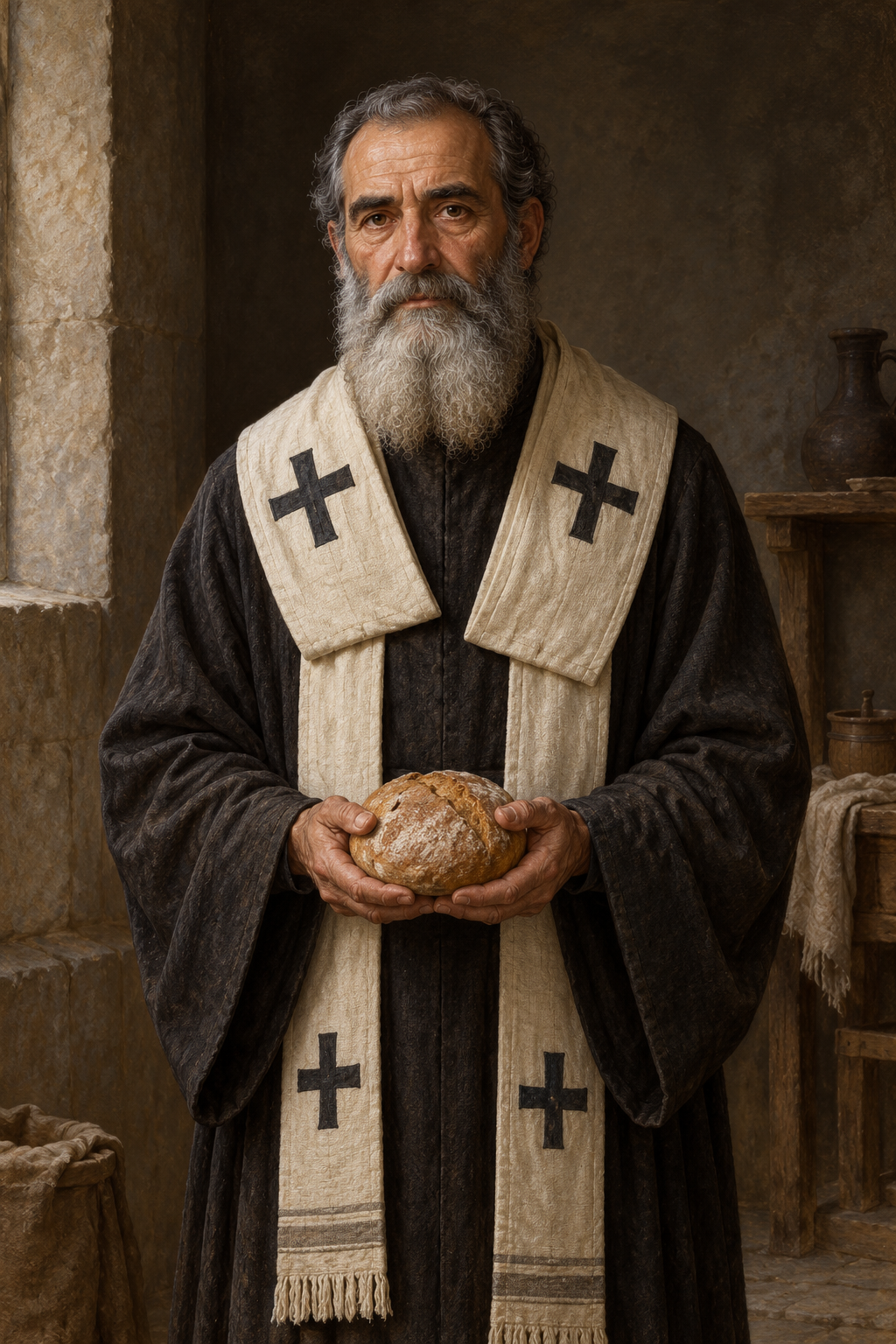
About Theoleptos of Philadelphia
Theoleptos of Philadelphia was a Byzantine bishop whose ministry joined public responsibility with close spiritual guidance. Born around 1250 in Nicaea, in Bithynia, he was married and served as a deacon before his later monastic and episcopal life. Alessia Brombin places his appointment as metropolitan of Philadelphia in 1283.
His withdrawal from married life was painful. Angela Constantinides Hero recounts his departure during the persecution of opponents of the Union of Lyons. The account preserved by his eulogist describes a wife who later pleaded against their separation. Theoleptos was imprisoned for his opposition to the emperor’s church policy, then lived as a solitary near Nicaea.
His convictions could also lead to damaging conflict. Hero describes his opposition to the Arsenite faction and his intervention against the general John Tarchaneiotes in 1298. The historian Pachymeres criticized that interference with a successful military command. Theoleptos later rejected the settlement of the Arsenite schism and remained separated from communion with the patriarchate for nearly a decade.
During the siege of Philadelphia in 1310–1311, however, he helped organize the city’s defense and food supply. Hero reports his personal participation in preparing bread. He also negotiated with the besiegers; an inscription indicates that the settlement involved tribute, qualifying the eulogist’s account of a victory won simply through respect for the bishop.
Alongside these responsibilities, he guided Irene-Eulogia Choumnaina and the monastic community of Philanthropos Soter. Brombin notes that five surviving letters and most of his twenty-three discourses concern that community.
Sévérien Salaville explains that Theoleptos personally tonsured Irene when she entered religious life after widowhood. Her foundation included neighboring communities of women and men, both receiving his guidance. His surviving sermons follow the church year, including Christmas, Lent, the Easter season and the Transfiguration.
In his first letter to Irene, he asks her to leave courtly distractions and attend to prayer. He urges restraint of bodily comforts and sustained effort in the religious life he asks her to embrace. Yet he also tells her to use her resources to relieve poverty. Interior prayer and concrete generosity appear together in this early statement of his guidance.
Marie-Hélène Congourdeau emphasizes this communal character of his teaching. His account of inner prayer was not reserved for hermits. It belonged within a shared life centered on worship and care for others. The discourses offer evidence for the vitality of this spirituality in Constantinople before the later controversies over hesychasm, the tradition of attentive, inward prayer. They also show that such teaching could encounter resistance.
The same review identifies the Vatican manuscript that preserves the discourses and letters as a book once owned by Irene-Eulogia.
Theoleptos died in Philadelphia late in 1322. His last correspondence belongs to a period of serious illness.
The Orthodox Church in America commemorates him on June 25.
Albert Failler notes that Theoleptos deserves attention in his own right, beyond his connection with Gregory Palamas.
Wondering how to weigh the stories and sources? Learn how to read a saint biography.