Biography
Thyrsus of Bithynia
About Thyrsus of Bithynia
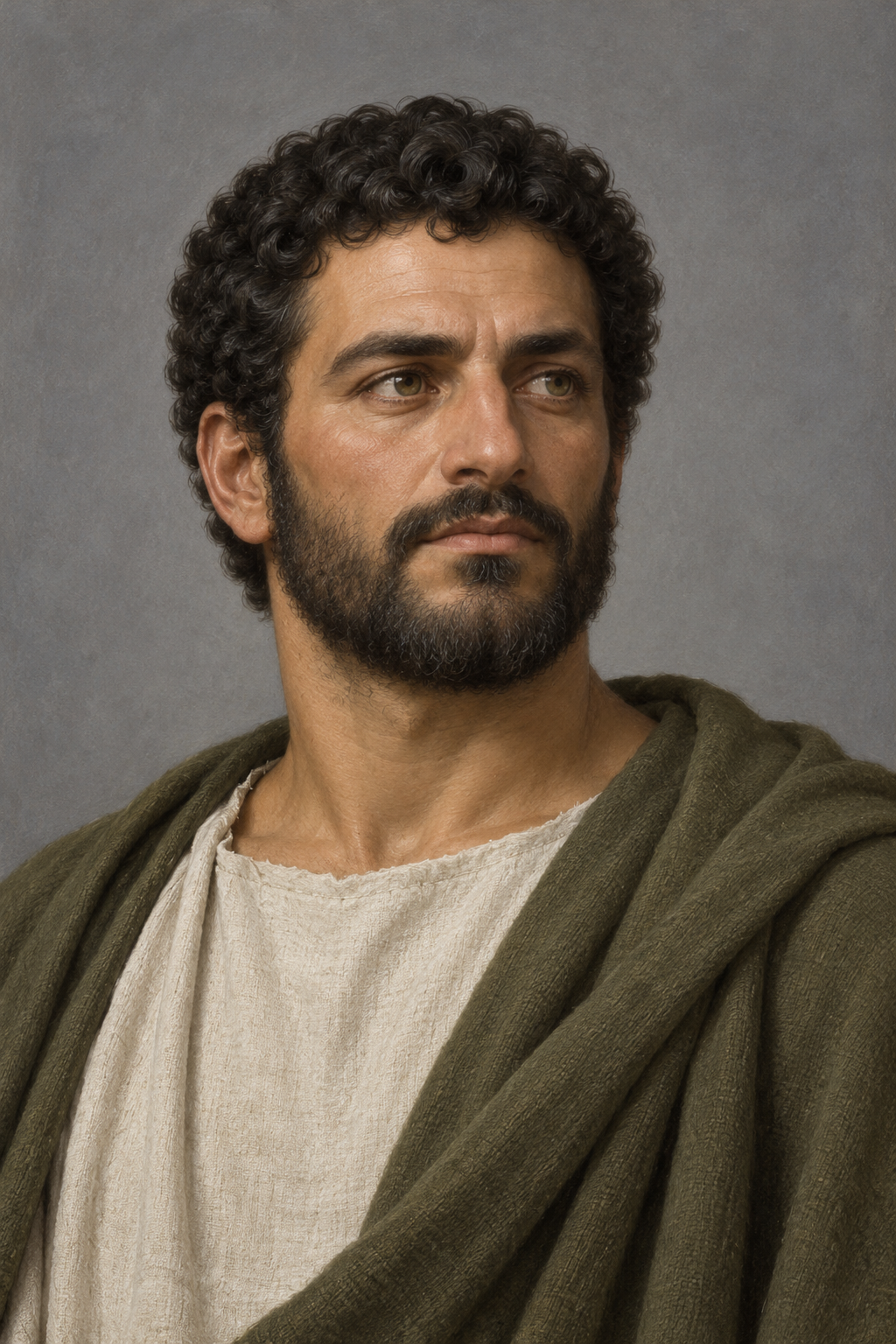
Thyrsus is honored as a Christian martyr associated with Bithynia in Asia Minor. The Orthodox Church in America commemorates him with Leucius and Callinicus and places their suffering under the emperor Decius. Its account presents Thyrsus as a catechumen who refused to sacrifice to idols and remained faithful under torture. This is the church’s inherited martyrdom narrative, rather than a contemporary record of his trial.
The written traditions do not agree in every detail. The editors of the Acta Sanctorum compared several versions of the Passion and noted competing locations for his death: some placed it at Apollonia, while others carried the story onward to Miletus. Their discussion shows why a precise itinerary or death place should not be treated as settled.
There is earlier evidence for his veneration. The fifth-century historian Sozomen describes a church dedicated to Thyrsus outside Constantinople, built by Caesarius. In his account of the discovery of relics attributed to the Forty Martyrs of Sebaste, Sozomen reports visions of Thyrsus granted to the empress Pulcheria. He also says that he personally attended the festival at which those relics were placed beside Thyrsus’s. The reported visions belong to the devotional narrative; the author’s testimony gives an important early witness to the saint’s cult.
His memory later spread westward. Nominis records veneration connected with relics at Sisteron, Limoges and Oviedo, while acknowledging uncertainty about his history. In Oviedo, the church of San Tirso el Real preserves his name in a foundation associated with King Alfonso II in the ninth century.
In Portugal, the parish community of Santo Tirso de Prazins explicitly honors him as its patron and celebrates his feast on 28 January. His remembrance thus continues in local worship far from the region associated with his martyrdom.
Wondering how to weigh the stories and sources? Learn how to read a saint biography.