Biography
Timothy I of Alexandria
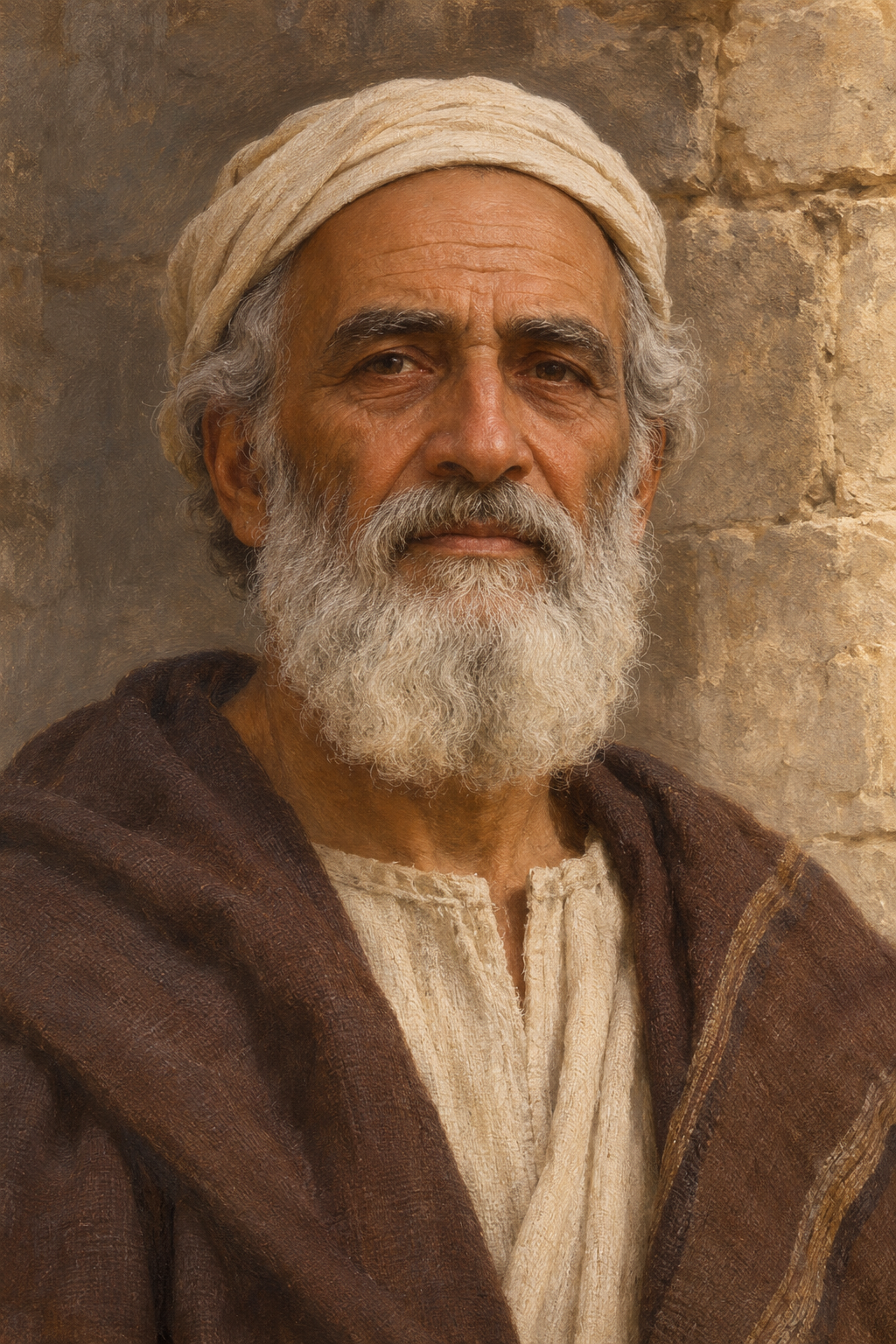
About Timothy I of Alexandria
Timothy was already an old man when the Christians of Alexandria chose him to succeed Peter II in 380. He had known Athanasius, the bishop who spent much of his life defending the teaching of the Council of Nicaea. The Coptic historian Aziz Atiya records that Timothy gave his possessions to the church and to poor people in his community. Little else can be said with confidence about his home or the years before his election. Much more is known about the responsibilities that came to him near the end of his life.
In May 381 the emperor Theodosius brought bishops together in Constantinople to address disputes about Christian belief and leadership. Timothy traveled there with bishops from Egypt. By the time they arrived, the council was already under way. Gregory of Nazianzus, who had preached in the capital in support of the Nicene faith, occupied its episcopal seat. Meletius of Antioch had presided at the council but died during the gathering. In the midst of deliberations about what Christians believed, the bishops also had to settle who could legitimately speak for the churches gathered there.
Timothy challenged Gregory’s appointment. Gregory had already been ordained bishop for another place, and his transfer to Constantinople raised a question about the rules governing bishops. He resigned and retired. A rival claimant, Maximus, also failed to secure the office. The council expressly rejected his claim and the ordinations he had performed. The man chosen to take Gregory’s place was Nectarius, a member of a senatorial family. Atiya considers it possible that Timothy presided for a time amid these changes, but presents that point as a reconstruction.
The doctrinal question had particular weight for the Egyptian delegates. Timothy had grown up in a church marked by the disputes over Nicaea that had followed Athanasius through repeated upheavals. The bishops at Constantinople reaffirmed the Nicene faith. They also addressed controversy over the Holy Spirit and condemned the teaching associated with Apollinarius. These were decisions taken in common. The surviving account of Timothy’s part in the council is much more specific about his intervention over Gregory than about anything he said in the doctrinal debates.
One of the council’s decisions bears directly on Timothy’s work after he went home. The second canon directed bishops to respect the boundaries of their regions and assigned Alexandria the care of the churches of Egypt. The next canon gave Constantinople second place in honor after Rome because the imperial capital was regarded as a new Rome. A place of honor at a gathering and responsibility for churches on the ground were two distinct matters. The historian Socrates accordingly names Timothy as the bishop entrusted with oversight in Egypt.
A story told by Palladius gives that responsibility a human face. A delegation came to Timothy to ask for Ammonius, a learned disciple of the desert monk Pambo, as bishop for its city. Timothy agreed to ordain him if they brought him. When the delegation found Ammonius, he insisted that he would never leave the desert for the office. The story belongs to a collection about ascetics, and it is Ammonius whose resistance the narrator wants readers to remember. In passing it also shows how a Christian community might approach the Alexandrian bishop when it needed a pastor.
Other people brought the bishop questions that could arise on an ordinary day in church. A collection handed down under Timothy’s name preserves these exchanges in the form of short questions and answers. What should a priest do, for instance, if someone still preparing for baptism took the Eucharist by mistake? Timothy’s answer was to baptize that person. Another question concerned a sick candidate who could no longer make a profession of faith. Could the friends at the bedside ask on the candidate’s behalf? The presence of those friends is a small reminder of how closely a household might be involved in a person’s entry into the church.
The same collection considers circumstances that a general rule could easily overlook. A woman who had recently given birth could be excused from the Easter fast. Illness also called for a different judgment about food. Another question asked about someone who, while washing, happened to swallow a little water before Communion. Timothy allowed the person to receive Communion. The questions preserve more than a list of permissions. They show people taking religious observance seriously enough to worry about small accidents and clergy looking for an answer they could give the person standing before them.
Timothy died in 385 after roughly five years as patriarch. Accounts he is said to have written about Egyptian monks have been lost. His replies to clergy had a different fate. They were copied, collected and read alongside the canons of councils, and later Coptic teachers continued to cite him by name as an authority on church law. Alongside the public record of a bishop who helped settle the governance of churches stands the memory of one who answered questions about a sick friend, a new mother and a mouthful of water.
Wondering how to weigh the stories and sources? Learn how to read a saint biography.