Biography
Tuda of Northumbria
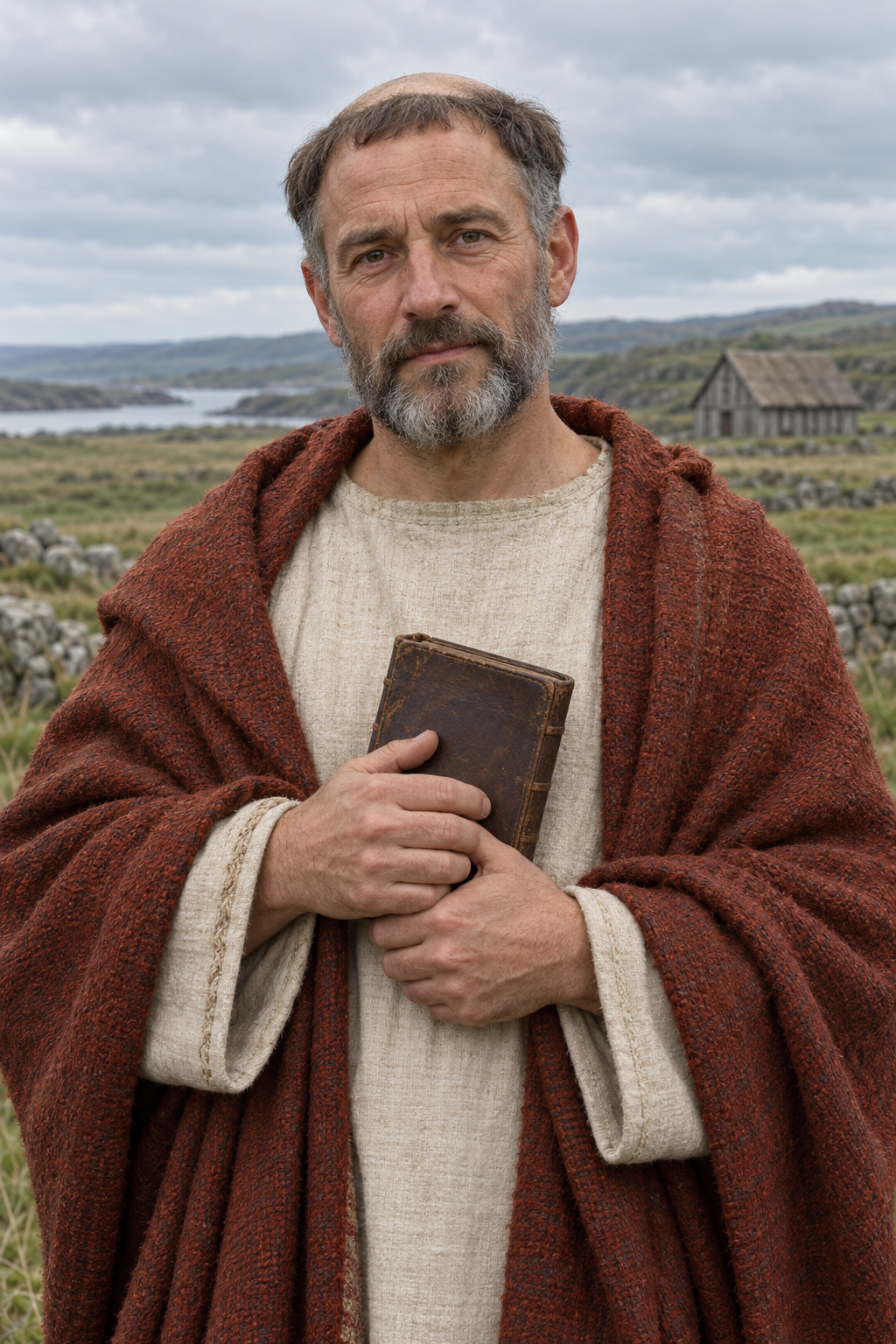
About Tuda of Northumbria
Tuda became bishop of the Northumbrians in 664, after Colman withdrew. Bede describes him as a churchman educated and consecrated in southern Ireland who already followed the Roman calculation of Easter and form of tonsure. He had arrived before Colman departed and taught through both his preaching and his conduct. His episcopate lasted only a short time.
The title often given to him today, Tuda of Lindisfarne, needs some care. In her study of the Durham Liber Vitae, Elizabeth Briggs observes that Bede calls him bishop of Northumbria without specifying a see. Episcopal lists include him among the bishops of the Northumbrians but omit him from the separate succession at Lindisfarne, where they move from Colman to Eata.
Bede distinguishes his role from that of Eata, who became abbot of Lindisfarne at Colman’s request. In the following chapter, Bede records Tuda’s death during the plague of 664 and his burial at a monastery called Paegnalaech. He does not identify that burial notice as a precise account of where Tuda died.
The burial place remains unidentified in the Catholic Church in Norway’s account by Per Einar Odden. That account also traces a later remembrance of the grave: John Leland copied a list of English saints’ resting places in the sixteenth century, and its entry placed Bishop Tuda at a monastery named Penelech. This is evidence of a remembered saint and burial tradition, not a secure identification of the monastery’s modern location. Odden cites Nicholas Grant’s study of Leland’s list; the notice is reported here through that account.
The same Catholic calendar commemorates Tuda on 21 October.
Wondering how to weigh the stories and sources? Learn how to read a saint biography.