Biography
Vanne of Verdun
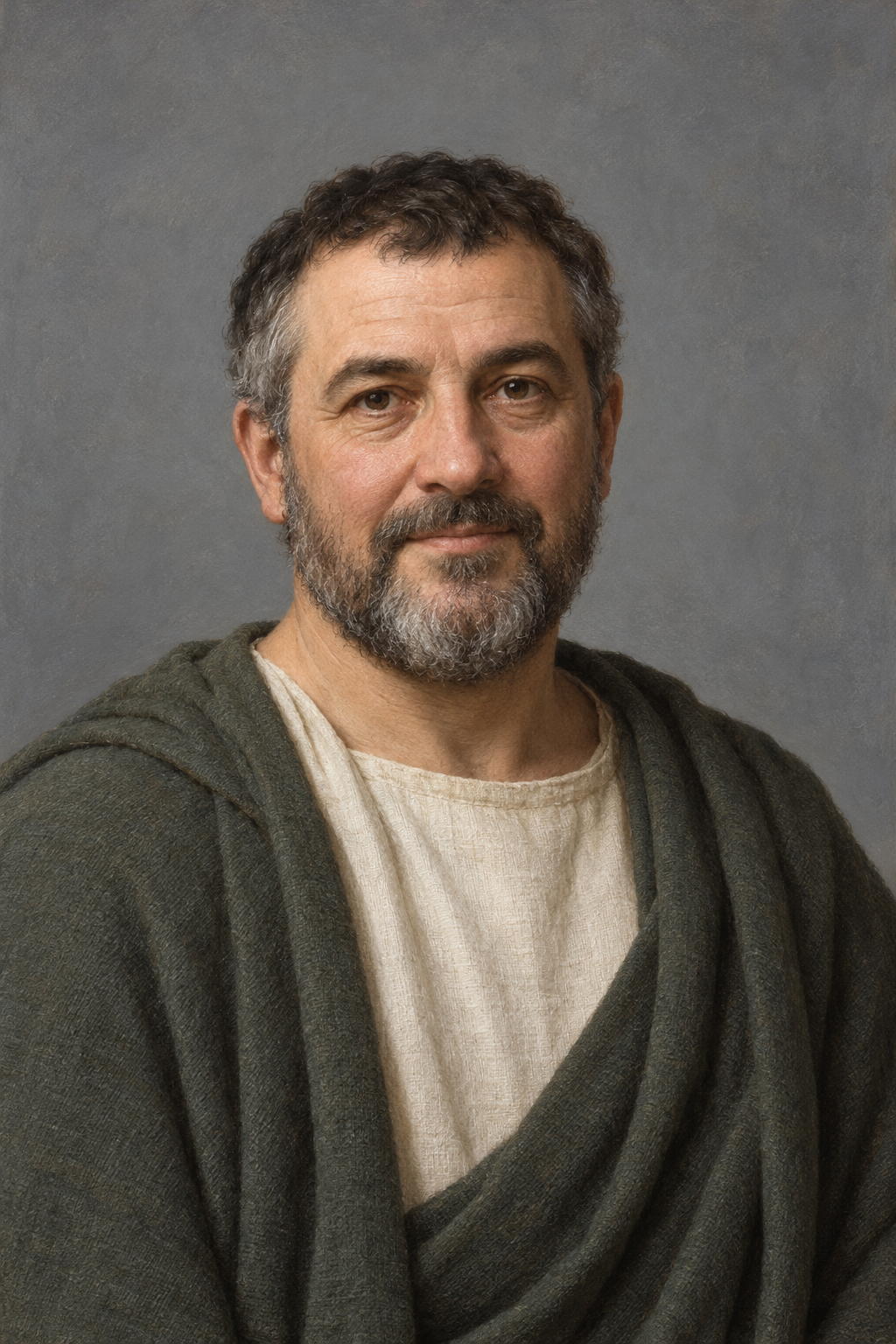
About Vanne of Verdun
Vanne was an early bishop of Verdun, remembered in the local Catholic tradition around the beginning of the sixth century. The French bishops’ calendar gives his death as approximately 525, while acknowledging how little secure information survives about his ministry. Much of the fuller story belongs to later legend.
The University of Caen’s historical authority record places him at the head of a community of clergy before his episcopate. It associates him with the church of Saints Peter and Paul outside the western side of Verdun. The same record attributes the written account of his life to Abbot Richard, who lived centuries later. Traditions of Vanne’s reform of clerical conduct, rule for the community and teaching must be read with that distance in mind.
The record places his burial in that church and links the elevation of his relics with Bishop Hatton in the ninth century. This later recognition belongs to the history of his cult. It should not be confused with a modern papal canonization process. The community associated with his name subsequently became a Benedictine abbey in the tenth century.
The abbey’s later history remains visible in Verdun’s landscape. Following the French annexation in 1552, its buildings were gradually incorporated into military works, while monastic life continued alongside the troops. The Revolution brought conversion into a barracks, followed by demolition of much of the complex. A surviving tower preserves part of the site’s monastic past.
The parish of Saint-Vanne-en-Verdunois chose the early bishop as its patron. It includes Verdun and nearby communities such as Vacherauville. His name thus remains attached to parish life as well as to the surviving memory of the abbey.
Wondering how to weigh the stories and sources? Learn how to read a saint biography.