Biography
Vigor of Bayeux
About Vigor of Bayeux
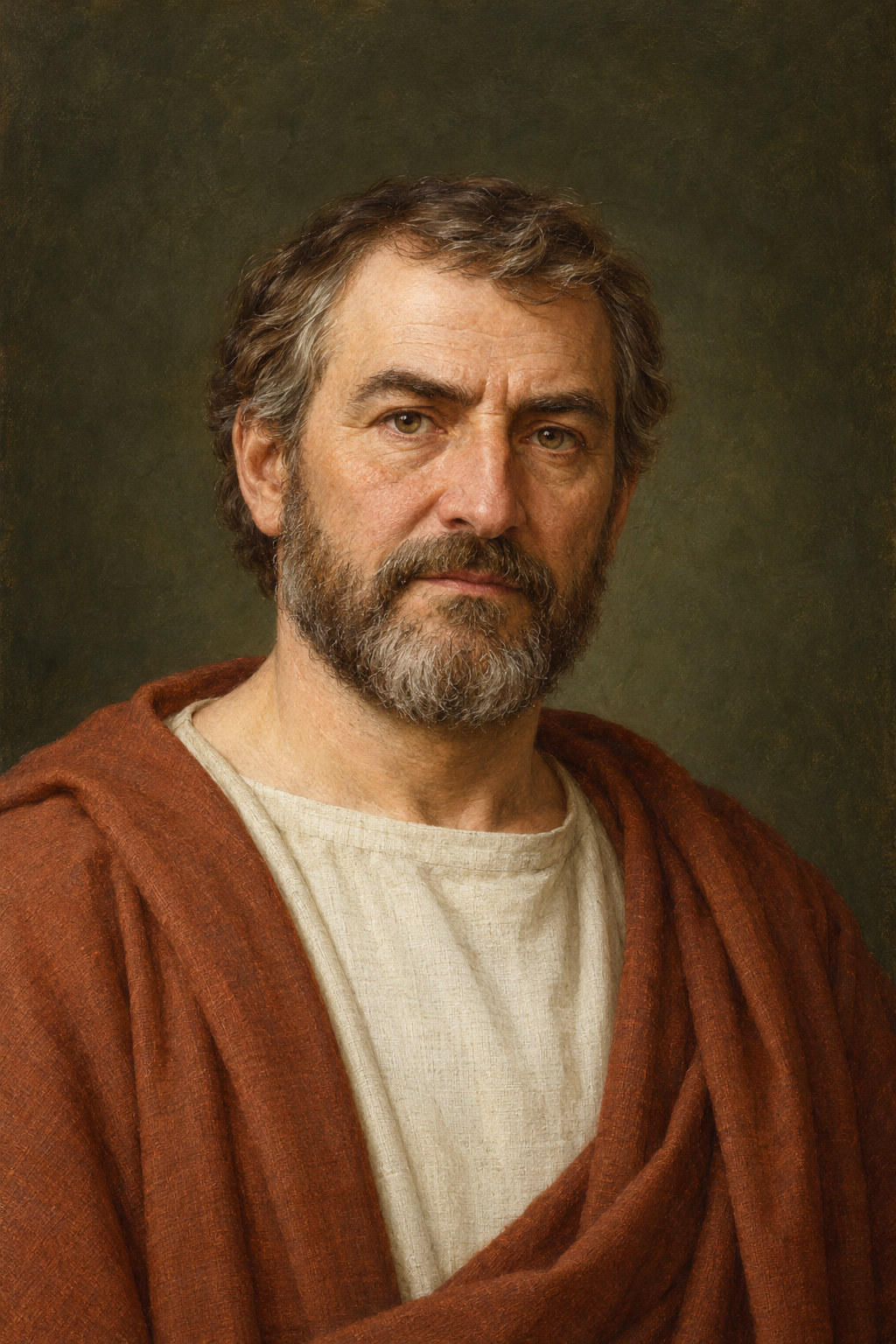
Vigor is remembered among the early bishops of Bayeux and as a missionary in the Bessin. His surviving life story was written much later, probably in the eighth or ninth century. Historian Lucien Musset argues that some of its geographical and social details deserve attention, while warning against accepting the whole narrative as history.
According to that Life, Vigor came from the region of Arras and received religious training in the community of Vaast. He left with a young companion, Theodemir, and settled at Reviers in the Bayeux region. There he built an oratory and preached. The narrative presents his journey as a religious calling rather than providing a securely dated itinerary.
The same account tells of a mother whose dead child returned to life after Vigor’s prayer. It also describes a landowner, Volusianus, seeking help against a terrifying serpent. Vigor subdued the creature and entrusted it to Theodemir to lead toward the sea. These are miracle narratives, not independently established events.
Musset treats the landowner episode with particular care. A Volusianus also appears in a letter of Sidonius Apollinaris concerning estates in the Bayeux region. Musset proposes that the names may refer to the same man or successive generations of a family. This is a historical hypothesis about the social setting, not confirmation of the serpent story.
The Life then places Vigor in the bishop’s office. It depicts opposition to his preaching and royal intervention to replace a local shrine with a church. Later, it interprets an encroaching landowner’s fatal fall as divine punishment. Such episodes express the author’s religious understanding of conversion and church property.
Vigor’s remembrance continues in church dedications. The parish church at Athis-de-l’Orne, now within Athis-Val de Rouvre, bears his name. Its present building arose through a prolonged nineteenth-century construction campaign, beginning in 1857 and concluding in 1895. The dedication connects a later parish community with the remembered bishop, without making the surviving building evidence for his personal life.
Wondering how to weigh the stories and sources? Learn how to read a saint biography.