Biography
Viventiolus of Lyon
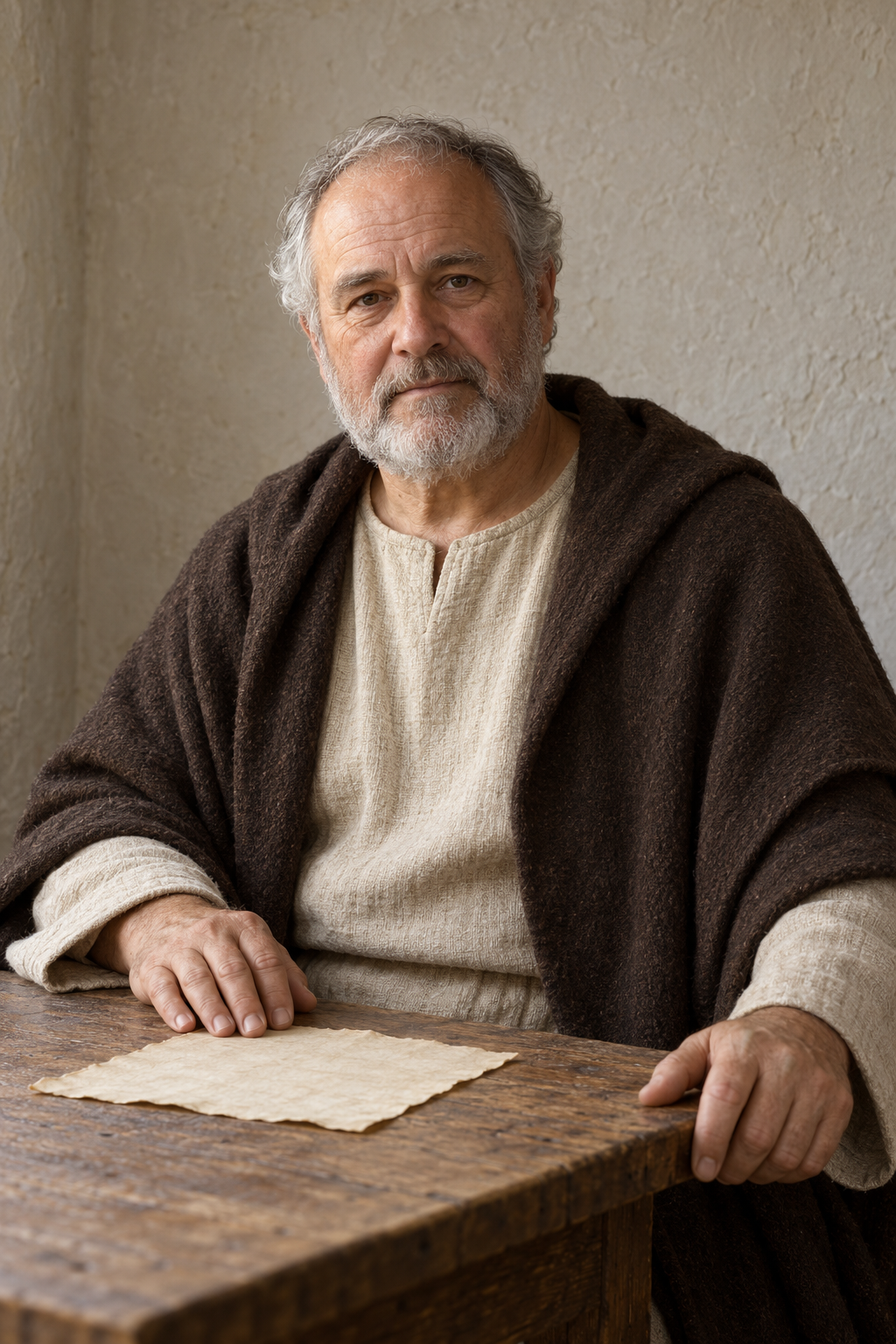
About Viventiolus of Lyon
Viventiolus was a monk at Condat before becoming bishop of Lyon. The diocesan account remembers his interest in learning alongside his ability to work with his hands. It treats his possible authorship of the Life of the Jura Fathers as a suggestion, not an established fact.
A letter from Avitus of Vienne gives a more personal glimpse of him while he was still a priest. Avitus thanks him for visiting his sick brother and for sending a chair. In return for that gift, he expresses the hope that Viventiolus will receive a bishop's chair. He also urges him to sustain the school associated with Eugendus through teaching and spiritual care.
Viventiolus became bishop around 514. In 517 he took part in the Council of Epaone, where church discipline was a major concern.
His surviving summons requires clergy to attend and allows laypeople to be present so that they can hear what the bishops decide. It also invites accusations against clergy, but insists that complainants substantiate them. He promises a hearing for both sides, warning against the use of false allegations to damage a reputation.
The council's disciplinary programme included harmful restrictions. Canon 15 barred Christians from Jewish banquets and excluded lay offenders from meals with clergy. It also prescribed beatings for junior clergy who attended banquets of clergy regarded as heretical. Canon 8 forbade abbots to free people enslaved by their monasteries. These were collective decisions; the evidence cited here does not identify Viventiolus as their individual author.
He later presided over a council at Lyon, generally dated around 518.
There the bishops continued the controversy over Stephen, a royal official who had married his deceased wife's sister, Palladia. They maintained the couple's exclusion from communion despite royal opposition, while permitting them to remain in church until the prayer of the people.
His death is generally placed around 523-524.
Nominis records his commemoration on July 12.
Wondering how to weigh the stories and sources? Learn how to read a saint biography.