Biography
Walpurga of Heidenheim
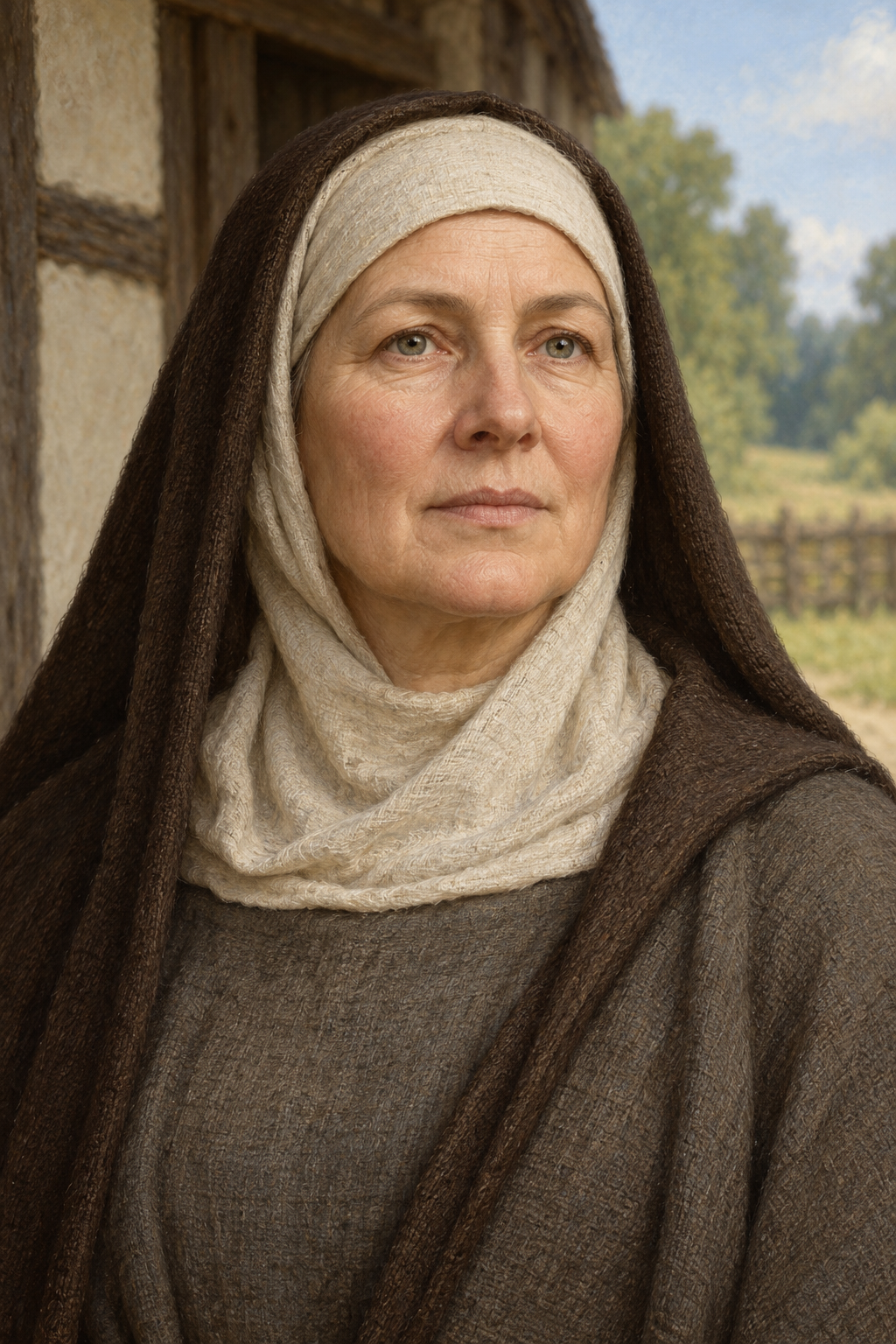
About Walpurga of Heidenheim
Walpurga, also known as Walburga, was an Anglo-Saxon woman who became abbess of Heidenheim in what is now Germany. The Abbey of Saint Walburg places her birth around 710 in Wessex and suggests that she may have received her education at Wimborne. Her brothers Willibald and Wunibald were also active in the continental church. After Wunibald’s death in 761, she assumed leadership at Heidenheim, where a community of women developed alongside the men’s monastery.
The early record is much thinner than later retellings suggest. Historian Stefan Petersen identifies the lives of her brothers written by Hugeburc and later accounts of miracles among the principal sources. He treats the familiar identification of her parents as Richard and Wuna as legendary, and considers her education at Wimborne only possible. He also rejects claims that she first served as a nun at several other German monasteries.
Her death year remains uncertain. Petersen argues for a date between 788 and 805, rather than the frequently repeated 779. The evidence supports February 25 as the day of remembrance, but it does not justify selecting a precise year. He likewise cautions that the historical substance of the stories about a healed girl and miraculous light cannot be established securely.
Devotion grew after her relics were brought to Eichstätt in the ninth century. The abbey’s history describes another transfer to Monheim in 893 and the spread of her remembrance through the movement of relics. In 1035 a Benedictine women’s community was founded at her tomb in Eichstätt. That later foundation became a major center of pilgrimage.
Walpurga is honored as patron of the Diocese of Eichstätt and its Abbey of Saint Walburg. The diocese also records traditional invocation by sailors and against storms, associated with a story about her sea crossing. Pilgrims particularly visit her tomb on February 25. The devotional liquid known as Walburgis oil and the votive pictures around the crypt express generations of requests for help and gratitude. These practices document a living religious tradition; they do not establish a medical effect. In 2021 the diocese reported that the local practices of her veneration had been recognized as Bavarian intangible cultural heritage.
Wondering how to weigh the stories and sources? Learn how to read a saint biography.