Biography
Werburgh of Chester
About Werburgh of Chester
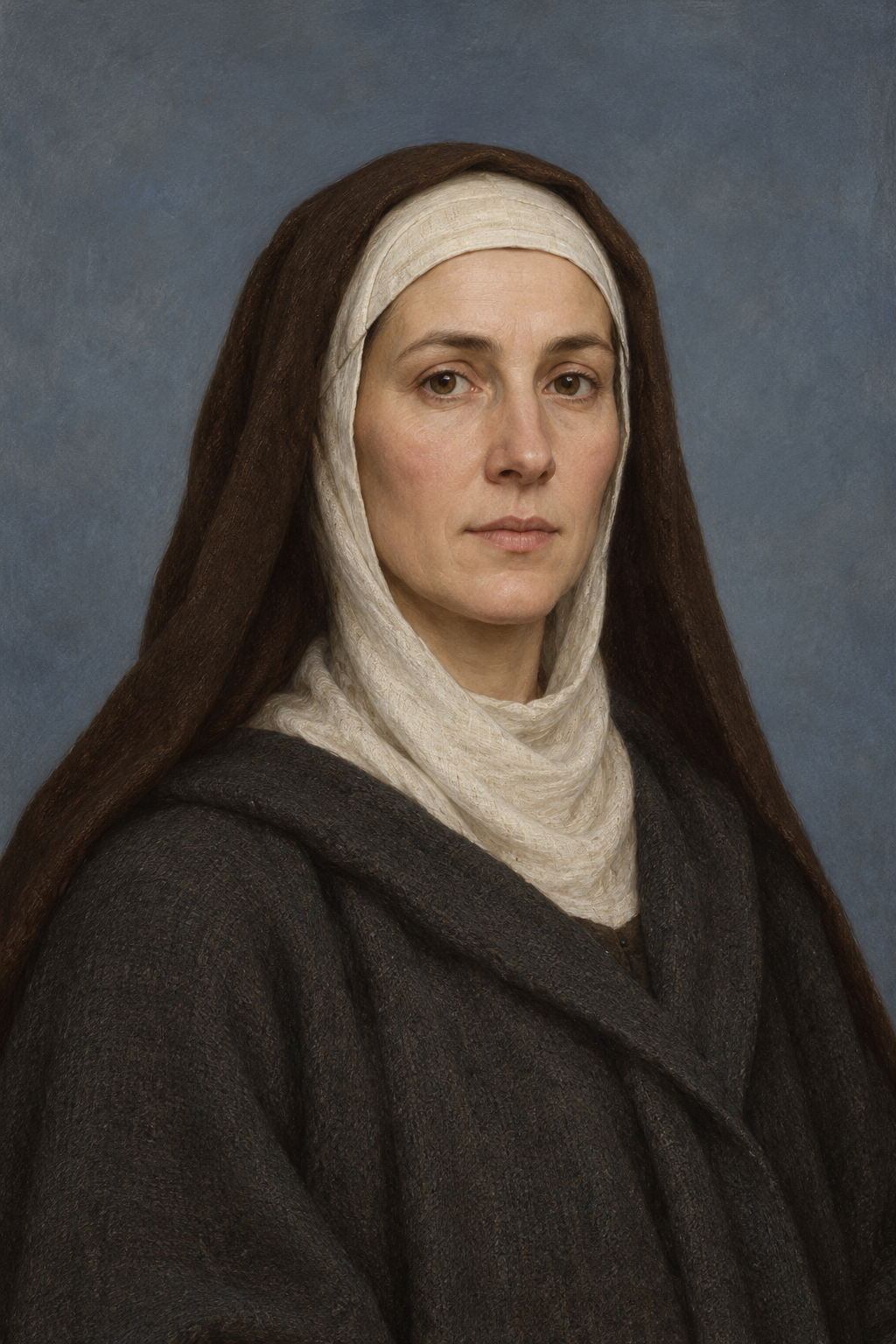
Werburgh was a royal religious woman associated with Ely and the monasteries of Mercia. Goscelin’s later life names her parents as King Wulfhere and Eormenhild. It portrays her leaving courtly wealth for religious life at Ely, then receiving responsibility for other women’s communities from her uncle, King Æthelred.
The life tells of geese obediently entering an enclosure and a stolen bird being returned. In another episode, Werburgh intervenes when an estate official beats a servant. The official’s neck is said to twist backward until her prayer restores him. These are hagiographic stories, not independently established events.
Her burial also became contested in the narrative. After her death, people from Hanbury remove her guarded body while the keepers sleep, fulfilling her stated burial wish. The author presents the removal as divinely assisted; this framing should not be mistaken for an independently verified account.
Centuries later, Henry Bradshaw’s verse life presented Werburgh as Chester’s protector. Catherine Clarke’s study explains how that work promoted the abbey’s central place in civic life while minimizing conflict with the city’s secular authorities. Stories about her protection therefore also expressed the interests of the community preserving her memory.
Her local remembrance continues at St Werburgh’s Catholic parish in Chester. Its church guide identifies her as patron of both parish and city and records her feast on February 3. The church contains a shrine dedicated to her.
Wondering how to weigh the stories and sources? Learn how to read a saint biography.