Biography
Wigbert of Fritzlar
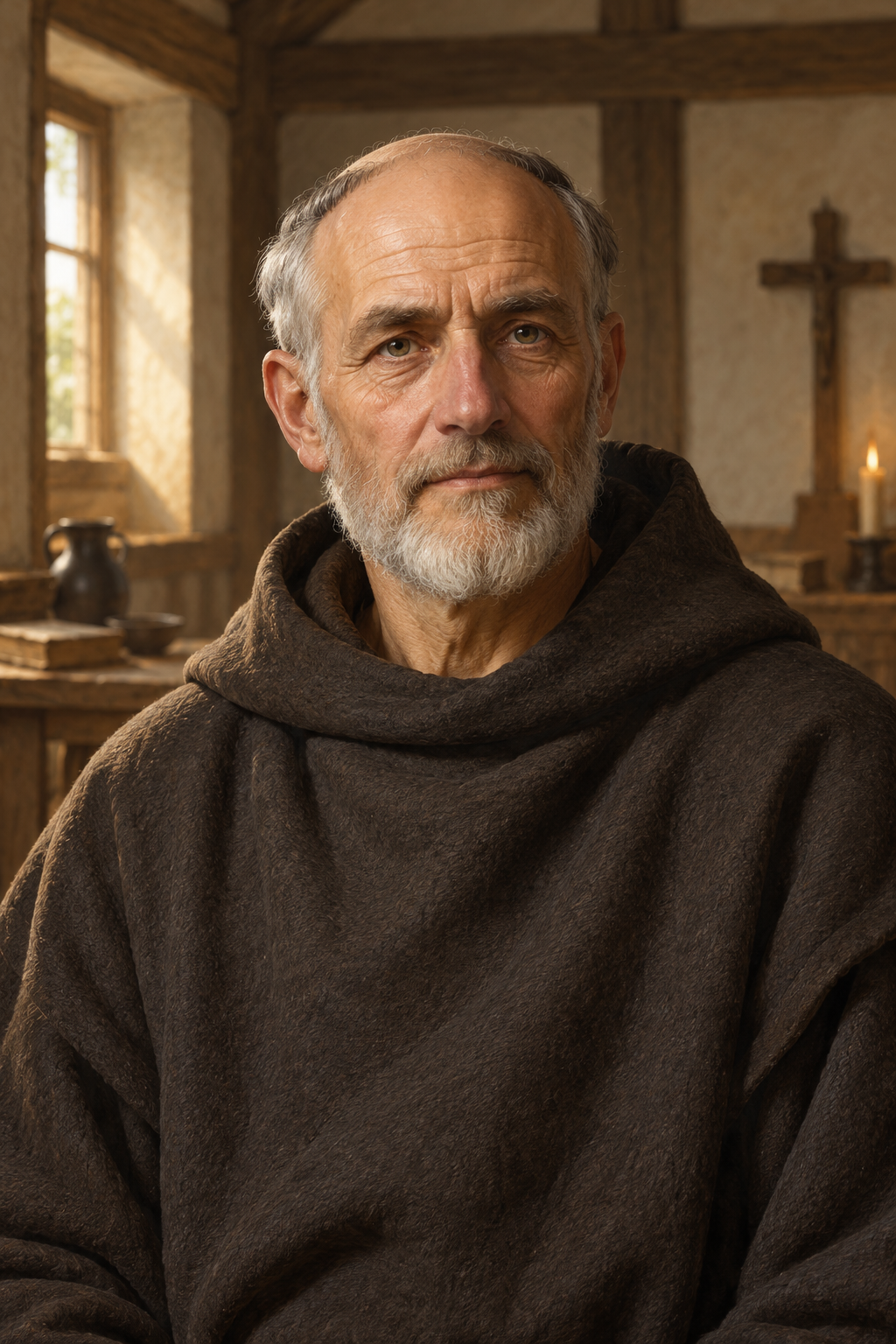
About Wigbert of Fritzlar
Wigbert of Fritzlar was an English monk and abbot associated with Boniface’s mission in Germany. The Catholic Church in Norway identifies him as the abbot of Fritzlar and distinguishes him from another Wigbert who worked as a missionary in Frisia. His name survives in Latin as Wigbertus.
Much of what is known about him comes through a biography written by Lupus in 836. Klemens Löffler’s account cautions that the surviving material contains little precise history and that several contemporaries bore the same name. A letter addressed to monks at Glastonbury has sometimes been attributed to this saint, but Löffler considers that identification improbable. It cannot securely establish that Wigbert belonged to that monastery.
Michael Fleck’s study of the early texts places Wigbert’s work at Fritzlar and then Ohrdruf. Boniface entrusted him with leadership in the developing monastic communities. In old age and ill health he returned to Fritzlar. A letter written after his death remembers him affectionately, while also mentioning another priest called Wigbert.
He died at Fritzlar, probably around 747; the chronology remains disputed.
Lupus presents a teacher devoted to Scripture, monastic discipline and the care of others. His biography praises Wigbert’s charity and conscientious service rather than supplying a detailed sequence of journeys and appointments.
After his death, relics associated with Wigbert were moved from the Fritzlar area to Hersfeld. Fleck places that transfer between the Saxon attack of 774 and a Hersfeld document of 780. He reads the later accounts critically, recognizing Hersfeld’s interest in securing a revered patron. Wigbert became a major patron of the abbey, appearing on its medieval seals.
Later images often show Wigbert with a bird, a chalice or grapes. The Catholic Church in Norway relates these attributes to devotional legends: a bird appearing around his body and grapes providing wine for Mass. They belong to the history of his veneration, rather than independently established episodes. His Catholic commemoration is August 13.
Wondering how to weigh the stories and sources? Learn how to read a saint biography.