Biography
William of Maleval
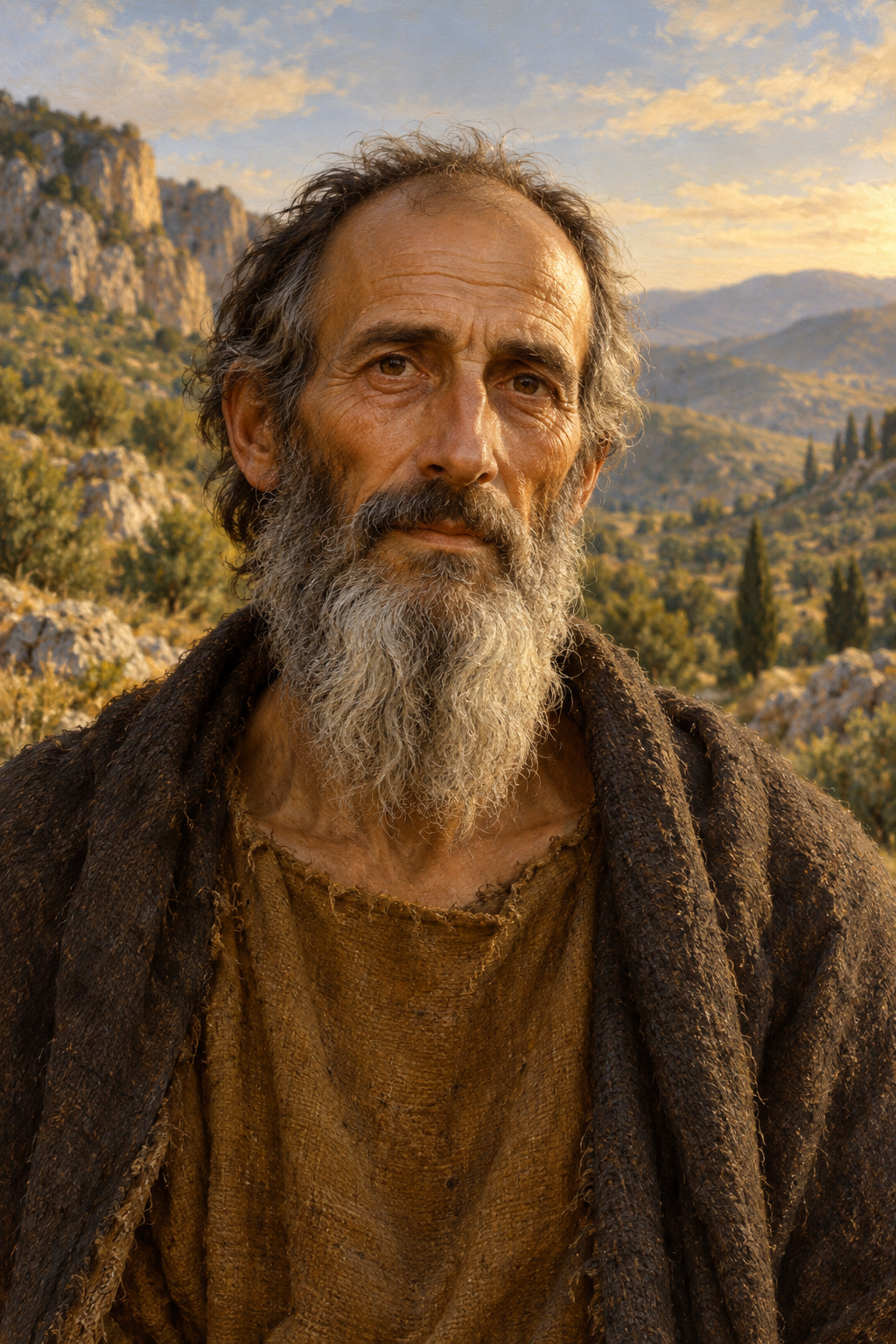
About William of Maleval
William of Maleval was a hermit whose final years were spent in Tuscany. The Catholic Encyclopedia places him near Pisa after his return to Italy around 1153, then on Monte Pruno, and finally at Maleval in 1155. There he was joined by Albert, a disciple who remained with him during his last year.
The surviving accounts require care. Albert’s complete life of William has been lost, and the later biography attributed to Theodobald mixes his story with those of other men named William. Webster specifically warns against confusing him with William of Gellone. He finds support for a pilgrimage to Jerusalem in liturgical excerpts from the older account, while rejecting the later narrative’s extended chronology. William’s early background therefore cannot safely be reconstructed from every adventure attached to his name.
His example continued through the Hermits of Saint William. The encyclopedia’s separate account of that congregation credits its foundation to Albert and Renaldus, a physician who had come to Maleval shortly before William’s death. Their community followed the hermit’s practice and spread beyond Italy into Germany, France, Flanders and Hungary. Its later history included changes of rule and difficult decisions about union with other religious communities. Some houses joined the Augustinian hermits in the thirteenth century, while others remained separate under the Benedictine rule. The order’s institutional development belongs to his followers, rather than to a detailed program William is known to have left.
William died at Malavalle on February 10, 1157. The Diocese of Grosseto commemorates him on February 10 and remembers him as a penitent whose faith was lived in the Maremma. Its announcement of cathedral Vespers and Mass in 2023 invited the community to seek his intercession for the region and for its good intentions.
Local devotion is preserved in several communities. In 2018 the diocese named Castiglione della Pescaia, Tirli, Buriano, Vetulonia, Caldana, Braccagni and Batignano as places keeping the traditions, relics and devotion of their patron. It described a youth pilgrimage to Malavalle and a patronal procession in Buriano. These observances show how the memory of a solitary hermit became part of the shared worship of the surrounding towns and villages.
Wondering how to weigh the stories and sources? Learn how to read a saint biography.