Biography
Wolfgang of Regensburg
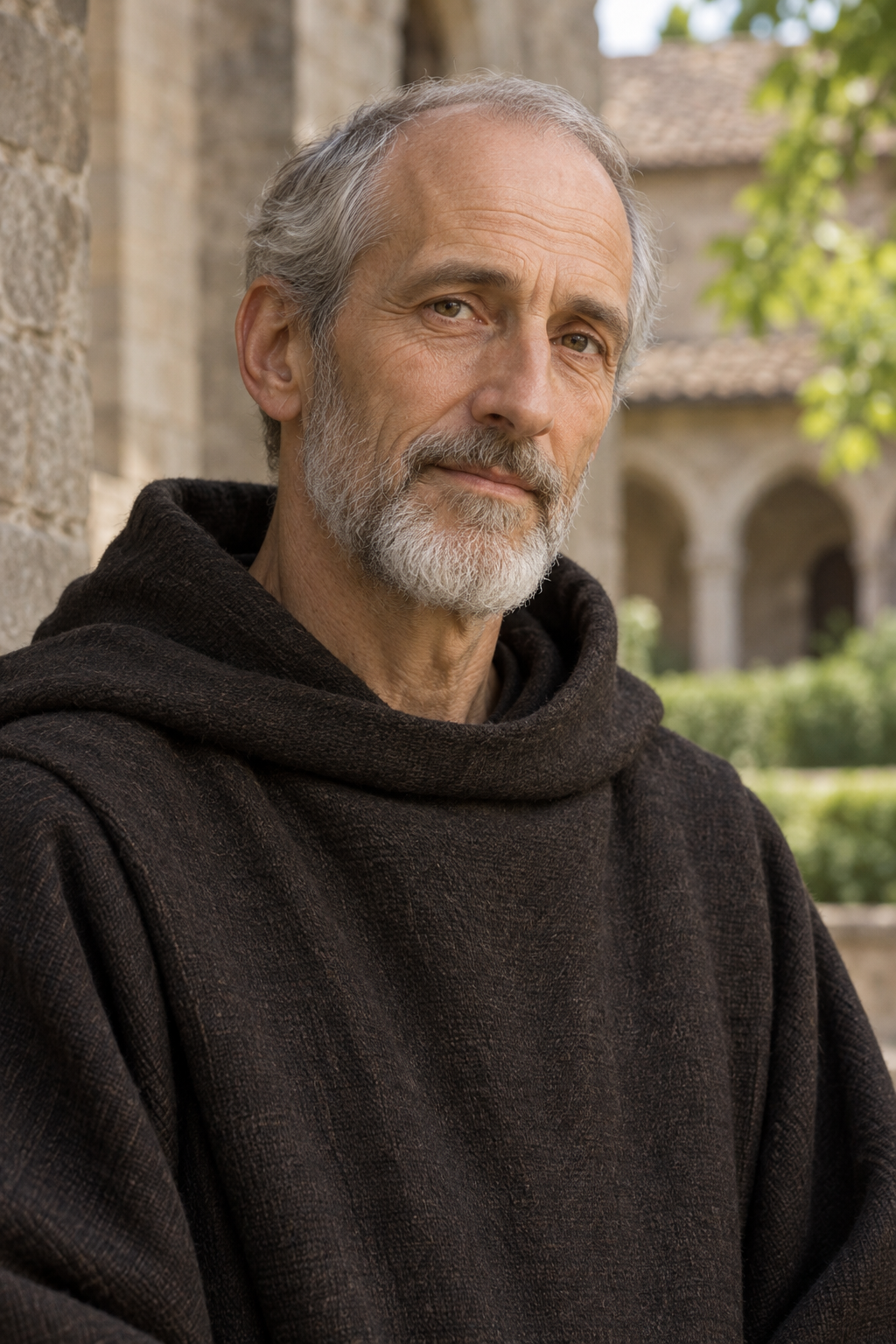
About Wolfgang of Regensburg
Wolfgang served as bishop of Regensburg from 972 to 994. His work joined the responsibilities of a bishop with the habits and concerns of a monk. He reorganized religious institutions and fostered education, leaving a particularly lasting association with the cathedral school. The diocese connects his foundation of a school with a choir in 975 to the later history of the Regensburger Domspatzen. Its account also emphasizes his effort to give the monastery of Saint Emmeram its own leadership, a change remembered as important to the community’s spiritual and cultural life.
His early years are less securely dated. Historian Karl Uhlirz cautioned that the evidence does not establish a reliable birth year and treated the familiar identification of Pfullingen as his birthplace as a later tradition. Wolfgang came from Swabia and studied at Reichenau. Education subsequently took him to Würzburg, and his friendship with Henry, later archbishop of Trier, opened another stage of his life. At Trier, Wolfgang worked in teaching and church administration. These years gave him experience of a cathedral community before he entered a monastery.
After Henry’s death, Wolfgang became a monk at Einsiedeln. The Historical Dictionary of Switzerland dates this step to 964 and identifies him as both a teacher and dean during his time there. He subsequently undertook missionary work among the Hungarians before becoming bishop of Regensburg in 972. His career therefore moved through schools, a monastery and a mission before settling into episcopal government. The same scholarly account credits him with promoting the establishment of the diocese of Prague in 973, a development that reduced the territory under Regensburg’s authority.
One of his important reforms concerned the relationship between the bishop and Saint Emmeram. Wolfgang appointed Ramwold as abbot in 975, separating offices that had previously been held together. He also worked for reform in the women’s communities of Obermünster and Niedermünster and founded the community of Saint Paul, known as Mittelmünster, in 983. His influence extended beyond one monastery or one kind of religious community. The Catholic Encyclopedia also associates him with the reform of Niederaltaich and with the education of the future emperor Henry II.
The diocesan biography remembers a bishop attentive to the people affected by his decisions. Alongside institutional reform, it describes his concern for the education of clergy and his response to hunger. During a famine, he opened episcopal stores of grain to feed poor people. In this account, the resources attached to his office became practical help for those in need. That episode belongs to the church’s remembered account of his ministry; it gives a concrete expression to the pastoral care emphasized in his later reputation.
Uhlirz also describes Wolfgang’s support for books and learning at Saint Emmeram, including the copying and acquisition of manuscripts. Yet he distinguishes historical evidence from stories that grew around the bishop. A lengthy withdrawal from Regensburg is difficult to reconcile with documents placing Wolfgang there in 976. The historian traces the surviving biographical tradition through successive writers, including Arnold and Otloh, rather than treating every later story as an eyewitness report. This distinction matters especially when reading the traditions about his retreat near the lake later called Wolfgangsee.
A familiar legend tells of Wolfgang throwing an axe to mark the place where a church should be built. The diocesan account presents the story as a legend connected with his withdrawal to the region of Abersee. It belongs to the devotional memory surrounding him and should not be read as a documented account of how a building site was chosen. The axe became one of the objects by which artists could identify him, alongside the signs of his episcopal office.
Wolfgang died while traveling in the region of his Austrian possessions. The traditional account places his final hours in the church of Saint Othmar at Pupping, after he became ill during a journey along the Danube. His body was returned to Regensburg and buried at Saint Emmeram. His death did not end the community’s attachment to him: the monastery remained a central place of remembrance, and his later recognition as a saint gave that remembrance a formal place in church life.
The Diocese of Regensburg gives his death date as October 31, 994. It records his canonization by Pope Leo IX on October 7, 1052, when his remains were transferred into a new crypt. October 31 remains his feast day, and the diocese honors him as its principal patron. These commemorations connect the bishop’s tenth-century ministry with the continuing worship of the community he once led.
His veneration also spread beyond Regensburg. The Historical Dictionary of Switzerland describes a late medieval cult in southern Germany, Austria and Switzerland, and identifies him as a patron of farmers and woodcutters. It records a printed life produced by the Franciscans of Burgdorf in 1475 from the older account of Otloh. That publication illustrates how a medieval bishop’s memory continued to circulate through new forms of storytelling and devotion centuries after his death.
Wondering how to weigh the stories and sources? Learn how to read a saint biography.