Biography
Zeno of Verona
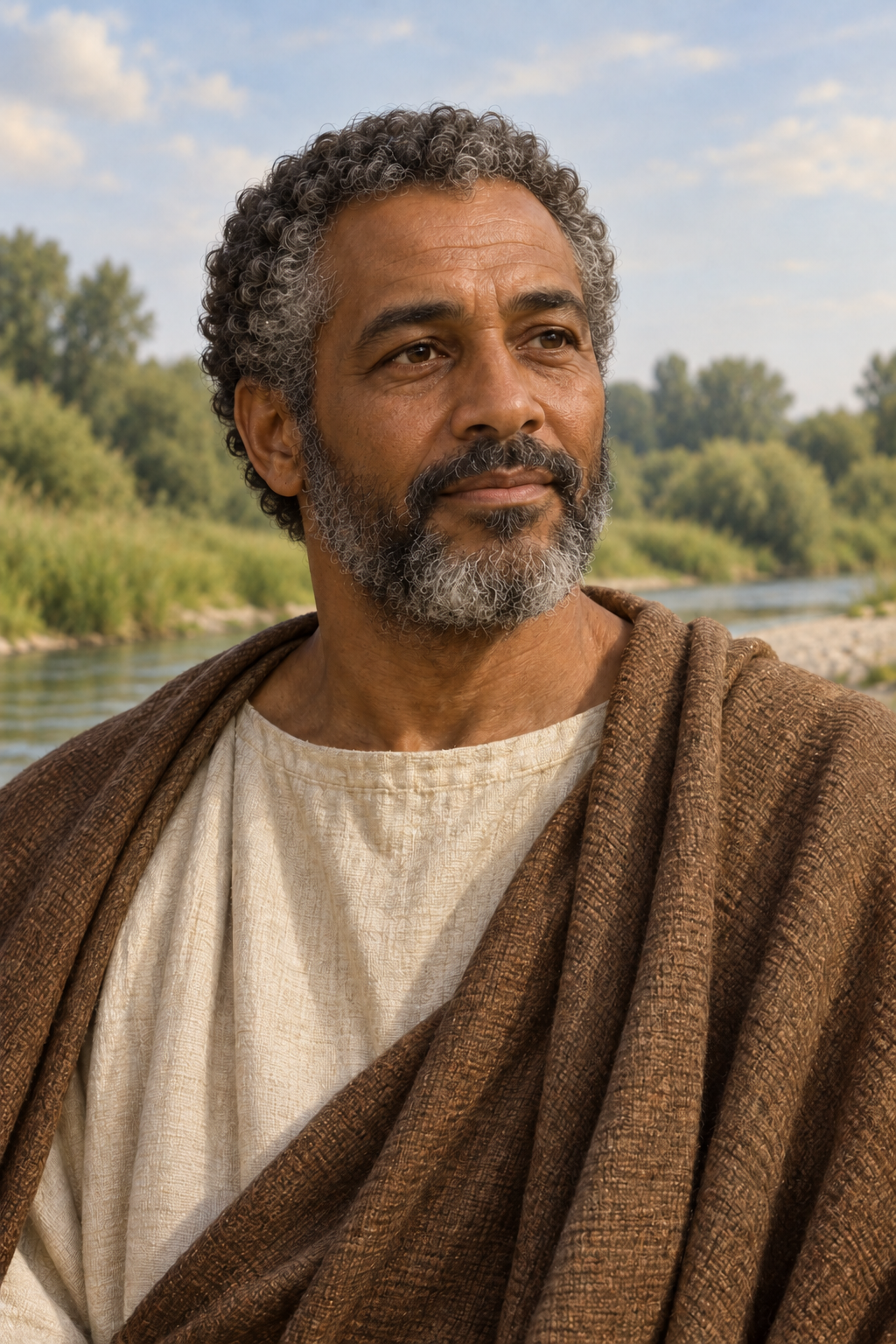
About Zeno of Verona
Zeno led the Christian community of Verona during the fourth century. The diocese remembers him as its eighth bishop, a preacher formed by the rhetorical culture of Roman Africa. Its account also acknowledges how little is known of his personal life.
The diocesan archive identifies his surviving sermons as the strongest evidence for his activity. Their language and literary references support an African origin, though they do not establish a precise birthplace. The archive dates his episcopal consecration to December 8, 362, while acknowledging disagreement about when he died.
His ministry unfolded among people whose religious customs were changing unevenly. Historian Alex Fogleman describes a bishop working to establish a Nicene Christian community while Roman temples and traditional observances remained active. Zeno preached against avarice and distributed church resources to poor people. His leadership combined instruction, material assistance and the formation of a distinct worshipping community.
The archive associates him with the beginnings of a school for clergy that later continued in Verona’s cathedral schools. It also cautiously links him with an early religious community for women. Both institutional beginnings are presented as attributions, and the second is explicitly tentative. They should not be treated as securely dated foundations with known circumstances.
Baptism was central to that teaching. Fogleman places much of the surviving preaching around Easter and the preparation of new Christians. Zeno urged candidates toward baptism, although the evidence does not reveal a fixed length for their preparation. He also adapted familiar images: in one sermon, the signs of the zodiac become an allegory of Christian initiation. This was a reinterpretation of those symbols within his faith, rather than an endorsement of ordinary astrological prediction.
Zeno also tried to explain ideas that were difficult to express through ordinary experience. In his study of the sermons, Mike Norris shows how the bishop connected Christian teaching about eternity with the recurring patterns of worship. The relationship between Father and Son was especially important. Against teaching that made the Son later than the Father, Zeno defended their shared eternity. This was part of his understanding of Christ, rather than an abstract question detached from the faith he preached.
Norris also distinguishes doctrinal arguments from sermons in which Zeno explored eternity more reflectively. Two of these addresses concern Easter; another considers mind and body. Here the bishop used comparisons from familiar life to make a difficult subject imaginable to his listeners. Elsewhere, the recurring church calendar gathered events from Christian history into repeated acts of remembrance. His preaching thus approached time both through remembered events and through the return of seasons and celebrations. These are scholarly readings of the sermons, not episodes reconstructed from a later saint’s legend.
The transmission of his work has its own complicated history. Francis Mershman records that an edition printed in Venice in 1508 contained 105 sermons attributed to Zeno. Twelve were subsequently assigned to other authors. The remaining collection includes both developed addresses and much shorter pieces. It preserves teaching about Scripture, worship and conduct, rather than a continuous autobiographical account.
The older reference tradition also preserves evidence of how Zeno was remembered before the printed editions. Mershman points to a letter in which Ambrose speaks respectfully of his memory and to a later list placing him eighth among Verona’s bishops. A textile from the monastery of Classe at Ravenna included his name among those of the city’s bishops. Such testimonies belong to the history of his remembrance; they do not supply the missing details of his childhood or family.
Later remembrance should be distinguished from the circumstances of his death. The diocesan archive notes that he was long styled a martyr despite having died peacefully. It places scholarly estimates of his death between 372 and 380; the diocese’s introductory profile uses about 374. The disagreement does not justify assigning an exact day of death from a feast date.
Local tradition gave this learned bishop a particularly approachable image. The diocesan profile describes his simple way of life and remembers him fishing in the Adige for food. That received picture belongs alongside the stronger evidence of his writings, without turning every detail into a documented daily routine. Norris separately identifies him as patron of fishermen.
Verona’s remembrance of Zeno remains closely tied to his preaching. During a visit to his basilica in 1988, John Paul II recalled the vivid sermons addressed to the city’s people. The pope also drew attention to Zeno’s criticism of believers whose conduct contradicted their religious profession. That reception emphasizes an enduring pastoral concern: the connection between what a community teaches and how its members live.
In that same homily, John Paul II connected the memory of Zeno with the instruction of adults in Verona. The ancient sermons were recalled within an ongoing local teaching ministry, rather than only as literary remains.
The city and diocese honor him as their patron. Their present local solemnity falls on May 21, as confirmed by the diocesan announcement for 2026.
Wondering how to weigh the stories and sources? Learn how to read a saint biography.