Biography
Alban Roe
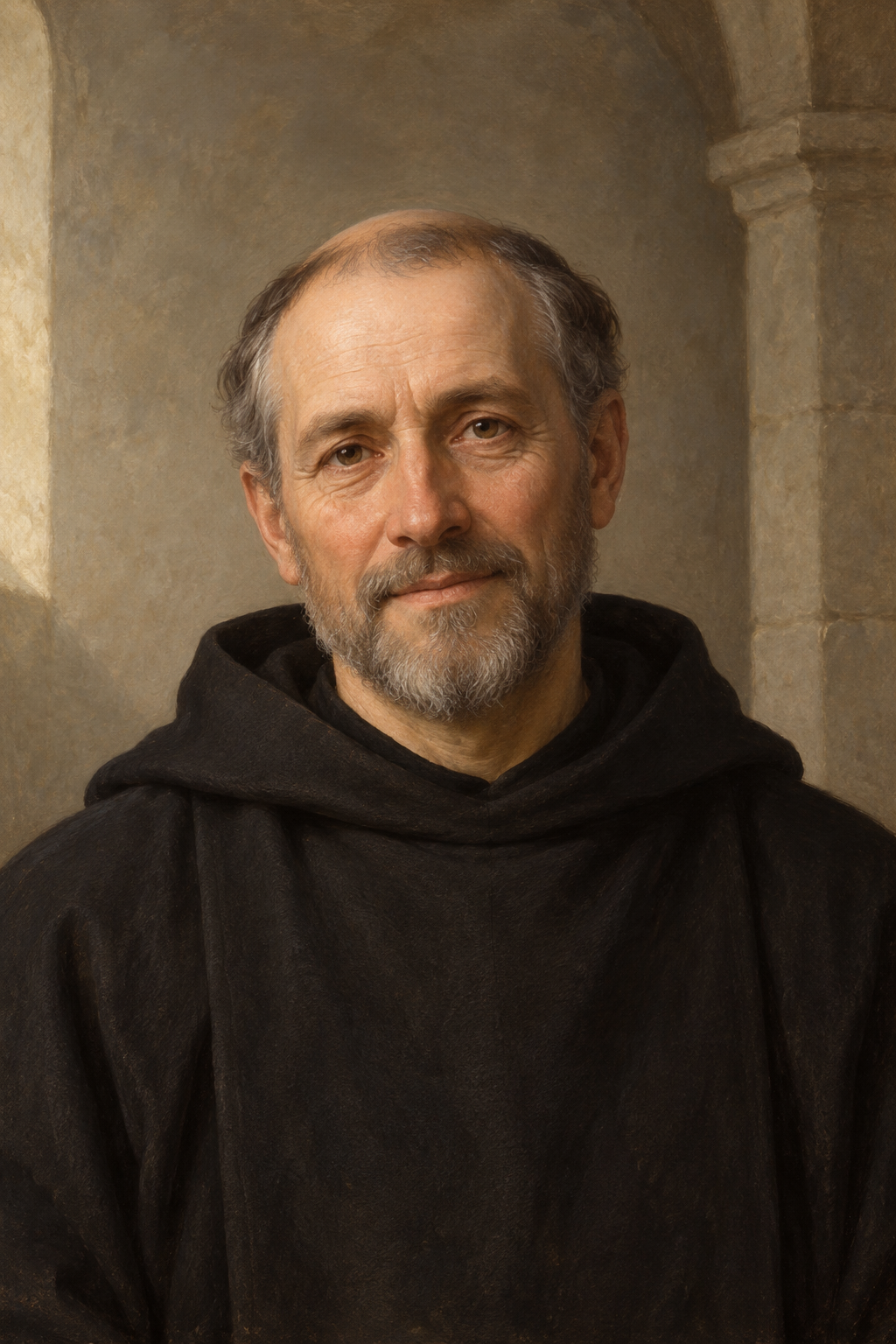
About Alban Roe
Alban Roe was an English Benedictine priest whose ministry continued through repeated imprisonment. G. Fitzherbert’s account in the New Catholic Encyclopedia identifies him as Bartholomew Roe, from Suffolk. It relates that a conversation with an imprisoned Catholic challenged his Protestant convictions and led him toward Catholicism. He later entered the English College at Douai to prepare for the priesthood.
His preparation was unsettled. Fitzherbert records his dismissal for insubordination in 1611, followed by admission to the Benedictine community at Dieulouard in 1613. He took the name Alban at profession and was ordained in 1615. He then helped establish the community of St Edmund in Paris before undertaking the English mission. This record includes his early difficulties as well as his later ministry.
Ampleforth’s account describes his arrest, release and banishment, followed by his return to England and another imprisonment. In the Fleet Prison he was allowed out during the day on the understanding that he would return. He used that freedom for pastoral work. The abbey’s modern reflection also remembers his lively temperament, including criticism from some fellow Catholics, rather than presenting a life free of conflict.
Roe was executed at Tyburn in January 1642. Paul VI’s decree Ecclesiae filiorum names him among the forty martyrs of England and Wales canonized on 25 October 1970. Its individual notice describes his Benedictine priesthood, service in England and long imprisonment. The decree’s Catholic judgment of martyrdom and canonization is explicit; it does not turn every later anecdote about him into contemporary testimony.
The reviewed sources give different January days for his execution. Fitzherbert and Ampleforth’s biography state 21 January, while the papal decree states 31 January. The shared month is retained here without imposing an unverified calendar conversion. Ampleforth separately documents its local feast on 31 January.
Wondering how to weigh the stories and sources? Learn how to read a saint biography.