Biography
Albert of Louvain
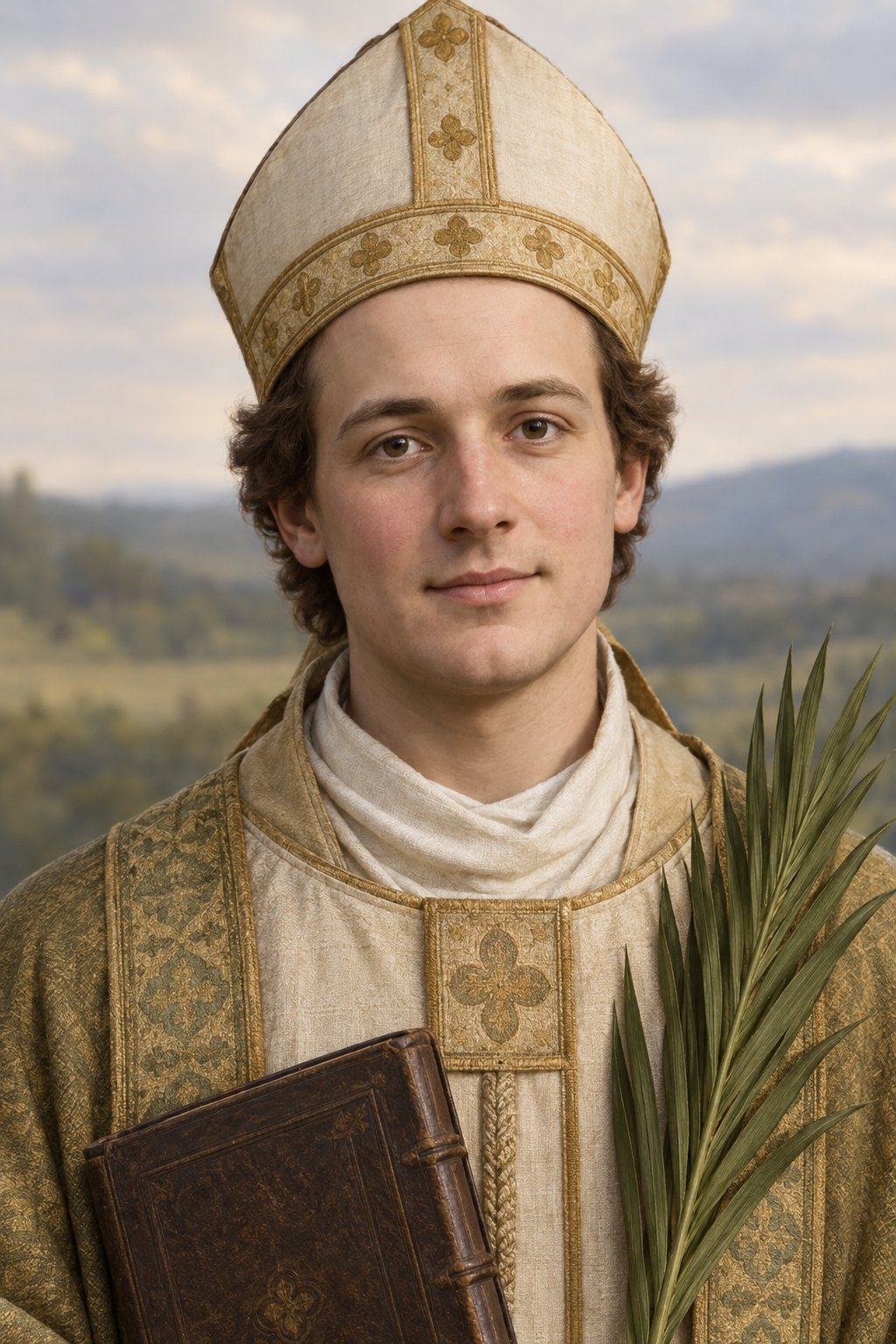
About Albert of Louvain
Albert of Louvain grew up in the ducal family of Brabant, but his early career moved between clerical and military life. Born around 1166, he was the younger son of Godfrey III and Margaret of Limburg; his brother Henry inherited the family’s ducal position. The church biography places Albert’s childhood at the family castle in Louvain and says that he became a canon of Saint Lambert’s cathedral at about twelve. At twenty-one he briefly gave up his benefice and sought knighthood from Baldwin of Hainaut, a rival of his family. He later returned to the clergy and recovered his canonry. Although he took a crusading vow, he did not travel east. By 1188 he was archdeacon for Brabant, still without priestly ordination.
The death of Bishop Raoul of Zähringen in 1191 brought Albert into a much larger contest. Raoul had been returning from the Third Crusade when he died in the Black Forest. On September 8, the clergy and leading laymen at Liège met to choose his successor. Historian Jean-Louis Kupper explains that this electorate consisted of cathedral canons, church dignitaries and prominent nobles. Two candidates emerged: Albert of Rethel, an older cathedral provost backed by Baldwin of Hainaut, and Albert of Louvain, the young canon supported by his family connections in Brabant and Limburg. The competing claims could not be finally reconciled at the election. The two men shared a given name, but represented different candidates and alliances.
Both sides sought recognition from Emperor Henry VI. Instead of settling the dispute in favor of either candidate, the emperor gave the bishopric to Lothair of Hochstaden, the provost of Bonn. Lothair entered Liège with political and military support. Albert therefore turned to Pope Celestine III. The older Belgian national biography describes him traveling secretly to Rome in a servant’s disguise to escape interception. The pope confirmed his election, but that judgment did not give him possession of the city. On his return, imperial pressure reached his brother, the duke of Brabant. Albert withdrew first toward Limburg and then to Reims. The succession dispute had become an exile: papal recognition upheld his claim while a rival continued to hold the see.
At Reims, Archbishop William ordained Albert priest and then consecrated him bishop in September 1192. The pope had authorized William to act if the archbishop of Cologne declined the task through fear of the emperor. Albert remained in Reims, where he handled some episcopal business and assisted William in worship. Maurice Coens’s study describes a near-contemporary Life shaped by the testimony of an intimate companion of the exile. Its favorable portrait can sometimes be checked against the chronicle of Gislebert of Mons. These witnesses place German men around Albert who claimed to be exiles themselves. They gained access to him while preparing an attack. He was killed outside Reims in November 1192, and his body was buried with ceremony in the cathedral.
The basic sequence of election, appeal, consecration and murder is clearer than every detail of the killing. Older reference works give different November dates, and the Catholic Encyclopedia even records 1193 beside 1192. Its account also differs from other biographies over the number of attackers. These disagreements make it unwise to build the narrative around a precise day or a complete reconstruction of the ambush. The same encyclopedia describes the transfer of remains believed to be Albert’s from Reims to Brussels in 1612, and the distribution of a portion to Liège in 1822. That was the accepted relic history when the article appeared in 1907; later investigation would change it.
Restoration work after the bombardment of Reims Cathedral reopened the question of those remains. A tomb uncovered in 1919 prompted a historical and archaeological inquiry. The commission record printed in Boniface del Marmol’s biography describes a second meeting in August 1921, attended by church officials and specialists. Its members compared the grave’s location, objects and skeletal injuries with the written account of Albert’s burial and death. They concluded that the remains sent to Brussels in 1612 had been misidentified, and that the newly examined grave contained Albert’s body. The report explicitly based its conclusion on historical and physical evidence rather than a claimed miracle. This is a documented judgment by that commission, not a modern independent identification of the bones. It explains why accounts published before the inquiry can describe a different history of the relics.
Albert’s enduring Catholic remembrance centers on his defense of the Church’s freedom during a contested episcopal election. The French bishops’ Nominis notice identifies him as bishop of Liège and martyr, and reproduces the Roman Martyrology’s remembrance of his consecration and death in exile at Reims. It also records local commemorations in Belgian dioceses and at Reims. Those observances belong to particular calendars rather than a single feast imposed everywhere. His story remains associated with a bishop whose recognized election did not bring security, and whose exile ended in murder.
Wondering how to weigh the stories and sources? Learn how to read a saint biography.