Biography
Alessandro Dordi
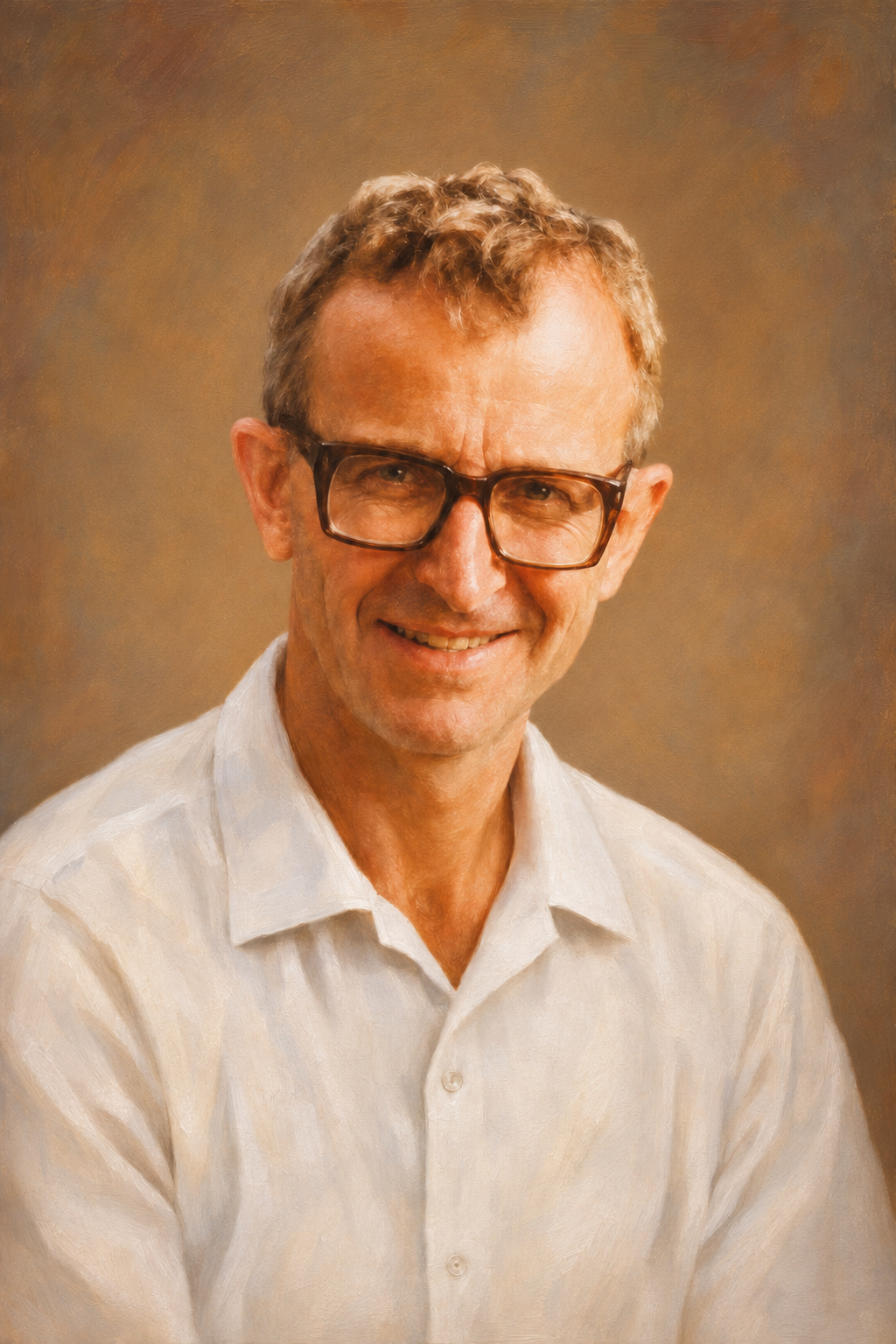
About Alessandro Dordi
Alessandro Dordi was born on January 22, 1931, at Gromo San Marino, part of Gandellino in Italy's Bergamo region. While preparing for priesthood he joined the diocesan missionary community Paradiso. He was ordained on June 12, 1954. His ministry would take him first to other Italian communities, then to Switzerland and finally to Peru.
His early assignments brought him to the Polesine, where communities were recovering from the 1951 flood. Alfonso Boscolo remembered encountering the young priest there during his own childhood. Dordi served at Taglio di Donada and Mea di Contarina and worked in vocational education at Donada. Boscolo recalls meals shared in poor households and nights spent relieving relatives who were watching sick family members. Adult literacy, singing and theater formed part of the same active parish life. The priest celebrated Mass on a community center's stage and helped change its scenery. He learned plumbing, welding, carpentry and mechanical work, skills later connected with training courses for young people. These recollections portray a ministry involving both worship and practical education. Boscolo also remembers the bicycle that accompanied Dordi through the district. His description of a reserved priest constantly at work offers a local view of the years before the better-known mission in Peru. In Santa his projects included pharmacy supplies, a common dining service and support for drainage works. He also invited the Pastorelle sisters from Bergamo to share the mission. Boscolo relates these efforts to learning how to accompany people at their own pace.
Dordi then served Italian migrants at Le Locle, Switzerland. Known as Don Sandro, he welcomed newcomers and helped establish a nursery. He also became a worker priest, spending working days in factories, including the watch industry. A Swiss remembrance connects that employment with his wish to understand people's lives as workers. His years among migrants joined pastoral care to the routines of earning a living and caring for children. In 1980 he left Switzerland for Santa in the diocese of Chimbote, Peru. There he worked in family catechesis and supported education, hygiene and women's opportunities. The Cuna Maternal was a center concerned with women's social participation and instruction. His service in different countries brought recurring attention to families facing poverty and displacement. In 2019 the Italian mission and parish at Le Locle prepared an oratory in his memory. A local artist’s fresco depicted his Peruvian ministry, connecting the Swiss community with the country where his life ended.
Dordi described the missionary as a servant and friend rather than someone arriving with superiority. He insisted that a priest must stand beside people as an equal. His everyday choices reflected this commitment. He wore sandals made from car tires and rubber straps, like those of ordinary local people. He also declined to buy a water pump and continued living in a modest home without a shower.
His correspondence also acknowledged danger. Writing to Romeo Todeschini on November 11, 1990, he described a tense political situation, killings and destructive attacks. He worried that repeated violence could come to seem normal and noted uncertainty about the future. Nevertheless, the letter ended with an expression of hope. The surviving excerpt presents concern and perseverance together, without concealing the fear surrounding daily life in Peru.
After the Polish friars were killed in August 1991, Dordi wrote of the anguish in Peru and wondered who might be next. He had already been threatened and urged to return to Italy. Instead he remained with his parishioners. His practical ministry included a center for women and an association for mothers, with sewing, first aid, hygiene and health instruction. He also helped build chapels and parish houses throughout the Santa valley.
Members of Sendero Luminoso killed Dordi near Rinconada on August 25, 1991, as he returned from ministry in the Santa region. He was beatified at Chimbote on December 5, 2015.
Communities he had served preserved his memory. A 2012 report from the diocese of Chioggia describes the blessing of a bronze statue at Taglio di Donada. It represents him beside a bicycle, recalling an object closely associated with his local ministry. The ceremony brought together residents, relatives and priests of the Paradiso community. The same report mentions a cooperative bearing his name that served people with disabilities. Remembering him there therefore involved both a public monument and continuing attention to vulnerable neighbors.
At a vigil in his home region in 2016, Bishop Francesco Beschi recalled Dordi's generosity, closeness to people and willingness to begin again elsewhere. He invited young listeners to ask relatives for stories of faith. The bishop also acknowledged that a holy person's life includes limits and imperfections. Dordi's witness, as Beschi presented it, concerned faith shared through ordinary companionship as well as through his final death. The gathering placed the memory of the blessed martyr within the continuing life of the community that had sent him out.
Wondering how to weigh the stories and sources? Learn how to read a saint biography.