Biography
Amabilis of Riom
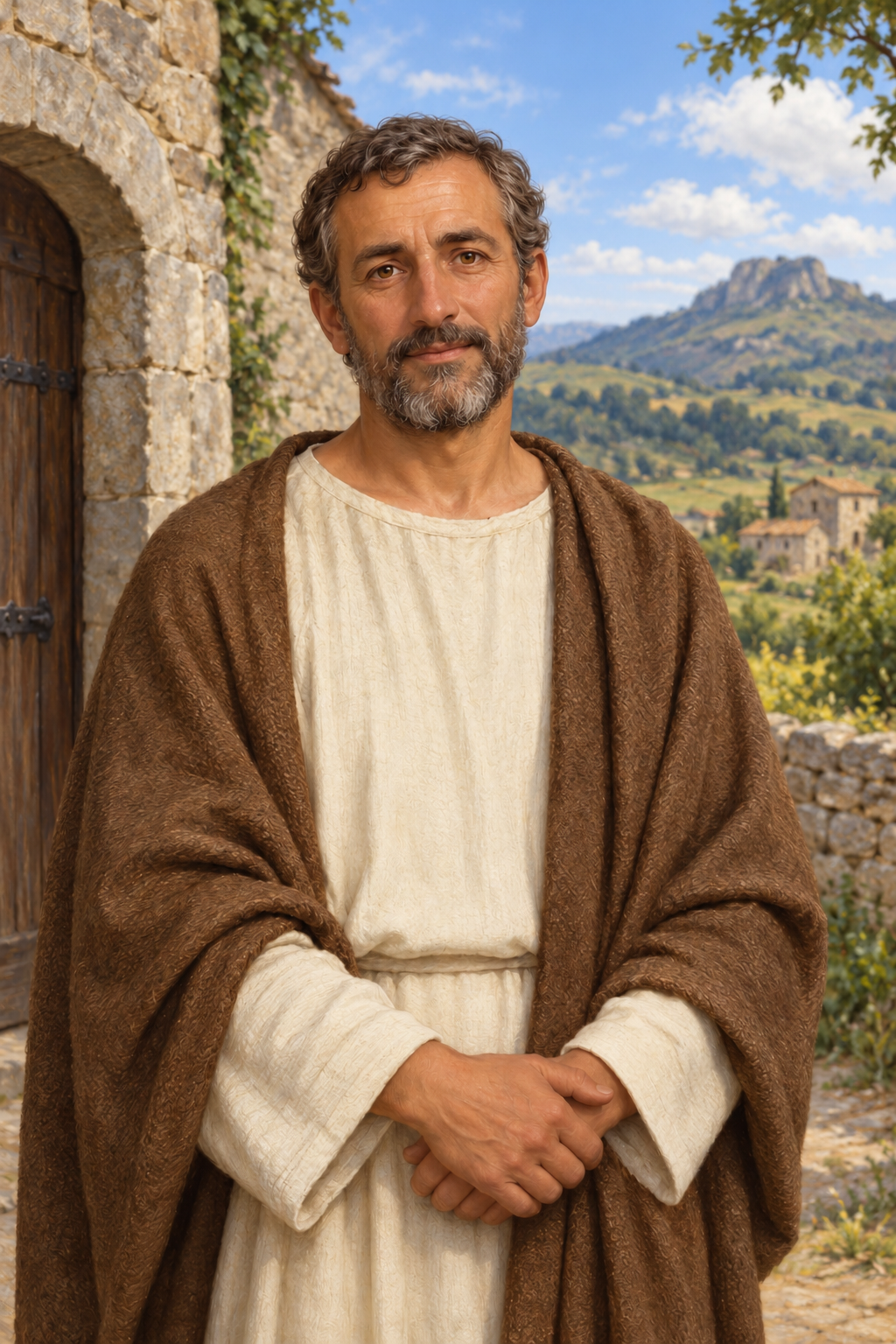
About Amabilis of Riom
Amabilis of Riom, known in French as Amable or Aimable, is remembered as a priest of Auvergne. Nominis identifies him with Riom and quotes the Roman Martyrology’s brief notice placing his life in the fifth century. It also warns that his existence is more secure than many stories later attached to him.
Gregory of Tours calls him a priest of the settlement of Riom and praises his holiness. His short account says that Amabilis was believed to command serpents. Gregory also tells of a ruler, Victorius, whose horse would not move until he stopped to pray at the saint’s tomb. These are miracle traditions reported by Gregory, rather than independently established episodes of Amabilis’s life.
Gregory says he personally saw someone described as possessed delivered at the tomb, and a person who had sworn falsely become rigid, confess the offence and recover. His testimony establishes an early account of devotion there. It does not provide a detailed biography or dates for the priest’s birth and death.
The New Catholic Encyclopedia preserves the tradition that Amabilis first served as a cantor at Clermont and later as a parish priest at Riom. It gives an approximate birth year of 397 and death around 475, but describes his birthplace only as probable. Those received estimates are not enough to establish exact life dates.
The same reference describes relics transferred to Riom in the seventh century, a church dedicated to him in 1120, and a later dispute between Clermont and Riom over the relics. It remembers public processions and invocations against fire and snakes. These practices belong to the history of his veneration; they do not verify every story of miraculous protection.
The Clermont cathedral association lists 19 October and a summer celebration after 11 June. Nominis lists 18 October as a local feast and also mentions 13 June and 1 November.
The city’s 2026 festival program scheduled preparation of a flower wheel on 13 June, followed by a procession and Mass on 14 June. That program shows how his remembrance continues within the shared religious and civic calendar of Riom.
Wondering how to weigh the stories and sources? Learn how to read a saint biography.