Biography
Arialdo
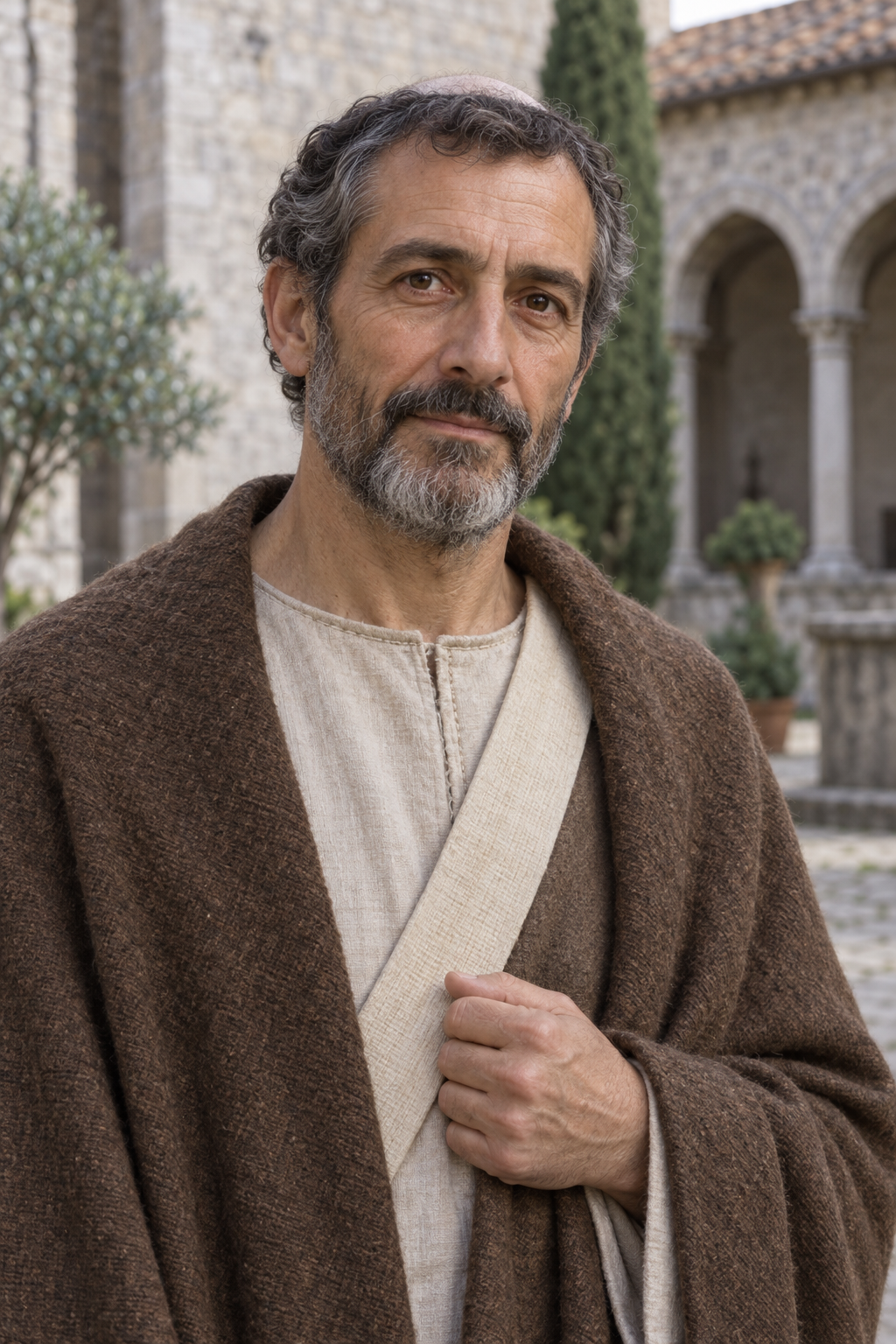
About Arialdo
Arialdo was a deacon whose call for clerical reform placed him at the center of the Pataria, a movement that divided eleventh-century Milan. Treccani’s biographical dictionary places his birth at Cucciago around 1010. Its account treats his family’s standing cautiously: contemporary writers described his origins differently, and the dictionary favors a family of modest landholders rather than one exercising aristocratic jurisdiction.
His education is similarly less definite than some later accounts suggest. The dictionary notes that the early sources describe studies in different lands without naming the schools. It therefore leaves the particular places of advanced study unresolved. A confident claim that he studied at a named university would go beyond that evidence.
Andrea da Strumi, his disciple and biographer, presents reform as a demand that ministers’ lives agree with the faith they taught. His account describes preaching against clerical marriage and simony, the buying and selling of church office. With supporters, Arialdo organized a community of clergy sharing resources, hearing religious reading at meals, and gathering for prayer through the day. Andrea also describes him using his own property to support the work. These are the central concerns of the disciple’s account, whose sweeping condemnation of the opposing clergy reflects its partisan purpose. He describes a high enclosure around the choir, separating clergy from lay worshippers, including women.
A letter from the priest Siro preserves a harsher aspect of the reformer’s methods. Siro asks why Andrea omitted an episode in which Arialdo confronted a priest whom the reformers regarded as adulterous and simoniacal. According to the letter, Arialdo pulled the priest’s vestment from him and drove him from the altar. The expelled man complained outside, and a crowd came into the church carrying clubs. Siro then credits Arialdo’s preaching with calming those who had arrived in anger. The account praises his authority, while also recording a direct act of coercion.
Siro’s portrait does not end with confrontation. He says that priests fleeing popular hostility could find refuge with Arialdo if they confessed sincerely. They were admitted to the community’s life while being excluded from altar ministry. His letter thus joins severity toward misconduct with a willingness to receive those who repented. It remains the testimony of a committed supporter, rather than an impartial judgment on every accusation. Monks who joined him were expected to remain occupied with reading, prayer, or work, according to Siro.
Historian James Norrie places these conflicts within Milan’s rapidly changing urban life. Church processions assembled large crowds, displayed the archbishop’s authority, and helped sustain relationships among clergy, aristocratic patrons, and the wider population. Disrupting them therefore challenged more than a ceremony. It could challenge the order through which people understood their city and their place in it. Norrie argues that the Pataria used this ritual language to contest established power, while also depending on crowds whose support could change.
That interpretation helps explain why disputes about worship could become so dangerous. Reformers sought to purify religious life, but attacks on ceremonies that others valued as expressions of shared community could alienate potential supporters. The same public gathering could give a movement an audience or turn against it. Arialdo’s fate belongs within that unstable relationship between reform, civic belonging, and popular action. Norrie’s study makes the social stakes visible without reducing the conflict to a simple contest between a virtuous party and a uniformly corrupt one.
Andrea’s account describes Arialdo leaving Milan, seeking protection, and being betrayed to his opponents. He was taken toward Lake Maggiore and killed after torture. The biography later recounts the recovery of a body venerated as his, its reception at Saint Ambrose, and its burial at Saint Celsus. The associated claims of incorruption and extraordinary fragrance belong to the martyrdom tradition.
The dating of his death has required interpretation. The Bollandist editor’s introduction argues for 27 June 1066, defending the wording in Andrea’s account against a proposed reading that would give the 28th. It also explains a later 28 June calendar entry as a transferred observance. The argument supports the earlier date while preserving the reason a different day appears in the record.
The same introduction distinguishes Andrea’s biography from writings attributed to other authors. It identifies him as a disciple who later entered Vallombrosa and explains that Siro had previously written with Herimbert. Andrea’s fuller account came roughly a decade after the killing. This transmission preserves close memories, but also a deliberate work of religious commemoration intended to sustain the reformers’ cause.
Milan’s current calendar for the Ambrosian rite commemorates Arialdo on 27 June as a saint, deacon, and martyr. His remembrance holds together the effort to reform clerical life and the violent setting in which it unfolded. The surviving sources preserve a demanding reformer, the community gathered around him, and sharply differing judgments on the struggle that ended in his death.
Wondering how to weigh the stories and sources? Learn how to read a saint biography.