Biography
Charles Borromeo
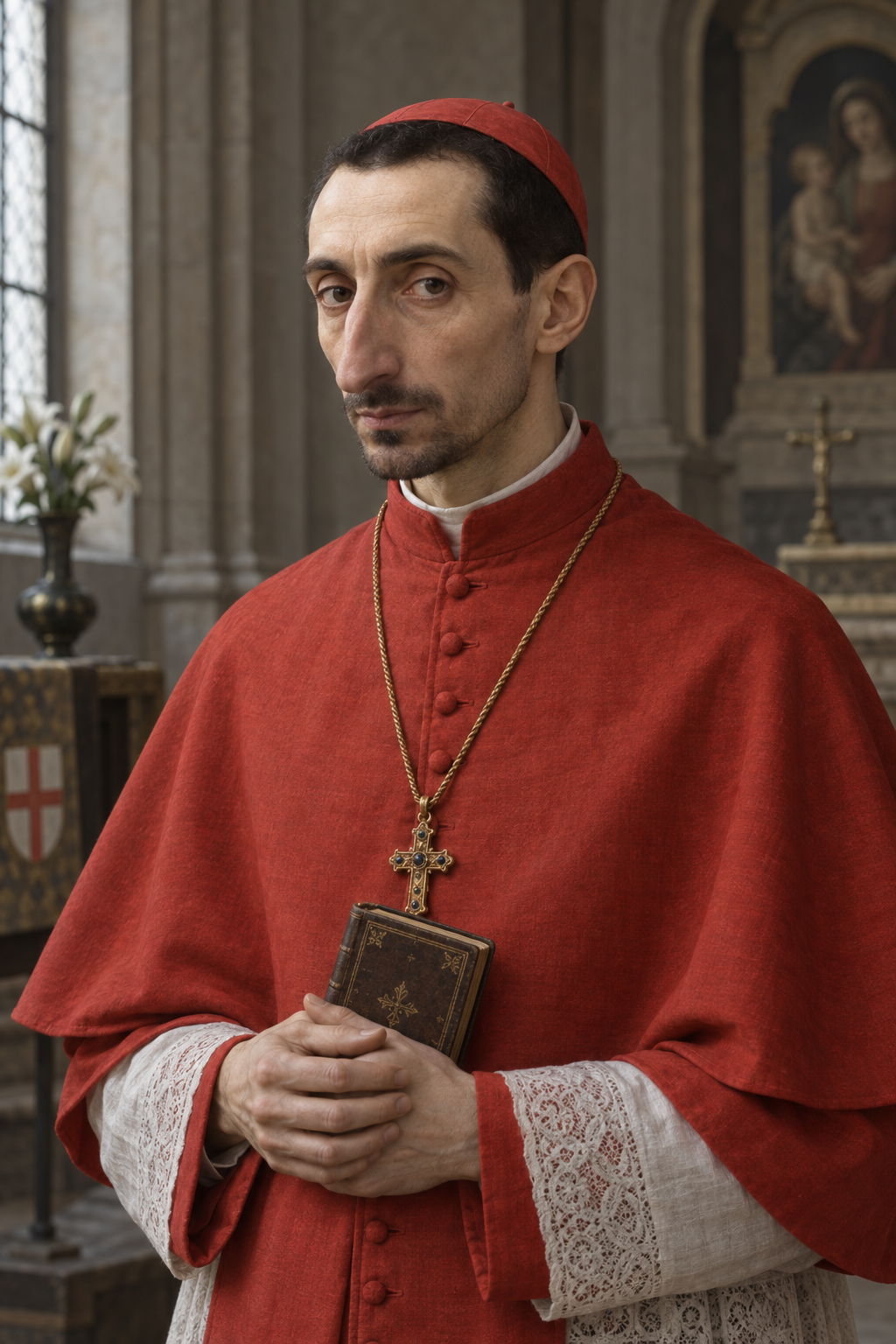
About Charles Borromeo
Charles Borromeo entered church government through a powerful family connection. Born at Arona on 2 October 1538, he studied law before his uncle became Pope Pius IV. The young Charles was made a cardinal and given responsibilities in Rome, including correspondence connected with the final sessions of the Council of Trent. This placed him close to negotiations that would shape Catholic reform. He was ordained priest and consecrated bishop in 1563. From Rome he sent representatives to examine the needs of Milan, the diocese entrusted to him. His solemn entry into the city followed in September 1565, before his uncle's death. Reform there would require both personal presence and people capable of carrying instructions into practice.
A family death had sharpened his choice. When his elder brother died, Charles could have turned from an ecclesiastical career to the responsibilities and advantages of heading the family. Instead, he committed himself more firmly to the Church. Benedict XVI's account of his vocation emphasizes that reform began with demands Charles placed on himself. Noble birth and access to office could secure a position, but they could not by themselves make someone a pastor. His subsequent work joined personal discipline to the attempt to change how the diocese was served.
Education gave that attempt an enduring structure. On 10 December 1564, his vicar Niccolò Ormaneto inaugurated Milan's seminary on his behalf. The diocesan archive places this foundation within the implementation of Trent's decree on the formation of clergy. The aim was intellectual, spiritual, and pastoral preparation, not simply the conferral of an office. The decree envisaged candidates from different social backgrounds, with particular concern for those who were poor. Jesuits initially directed the seminary; responsibility passed to the Oblates of Saint Ambrose in 1579. Other arrangements addressed different needs, including a seminary at the Canonica where men already ordained could receive further study and spiritual formation. Charles's educational work therefore concerned existing clergy as well as future priests.
Visitation brought the bishop into contact with particular buildings and communities. Records discussed by Milan's diocesan archive include his visit to San Michele alla Chiusa on 18 August 1567. Reports from his visitors and his own visitation describe an old, badly laid floor and walls threatening collapse. The walls were neither whitewashed nor painted. These details give a more concrete picture of pastoral oversight than a general statement that he visited parishes: a church's physical condition also demanded notice. The reports recorded needs that a program of reform had to confront.
The plague of 1576 and 1577 made care for suffering people especially urgent. Charles visited and comforted those who were sick and devoted his resources to their assistance. Vatican News recalls these years as central to his pastoral memory. The epidemic brought material distress as well as illness, so his presence among the people was joined to the provision of help. His reputation for service became closely attached to this catastrophe, remembered as the plague of Saint Charles. In 1578, he made a pilgrimage on foot to Turin to venerate the Shroud, a journey Vatican News describes as four days of prayer and fasting.
His reforms also carried a severe, coercive side. Michel de Certeau's historical study describes Charles imposing discipline on clergy and religious communities and supporting the suppression of practices treated as superstition. At Roveredo in 1583, eleven people accused of witchcraft were condemned to burning; the historian describes the archbishop remaining unyielding. These persecutions belong in an account of his episcopate alongside the schools and charitable work. People accused under such proceedings should not be described as having actually possessed supernatural powers, and religious zeal does not make their punishment just.
Charles's advice to priests opens another view of his priorities. In a sermon preserved in the Acts of the Church of Milan, he asks ministers to examine their own preparation for prayer. A distracted priest should consider what he was doing before entering church. Someone responsible for teaching must study diligently and live consistently with what he teaches. Charles also warns against giving so much attention to other people that one's own spiritual life is neglected. Meditation belongs before, during, and after ministry. The comparison of love to a small fire protected from the wind makes his counsel memorable: recollection needs deliberate care if it is to survive the interruptions of daily work.
Charles died in Milan on 3 November 1584. The death brought to an end a life in which pastoral service and forceful ecclesiastical authority had been closely joined.
His canonization followed on 1 November 1610. Four centuries later, Benedict XVI returned to his example of a bishop who understood renewal as a task involving both personal conversion and the Church's institutions. The anniversary letter singled out Charles's investment in priestly formation, pastoral visits, and care during plague as features of his lasting influence on the model of a diocesan bishop.
Wondering how to weigh the stories and sources? Learn how to read a saint biography.
Explore similar vocations
Prayers for Charles Borromeo
Charles Borromeo Memorial Collect — Italian excerpt
Custodisci nel tuo popolo, o Padre, lo spirito che animò il vescovo san Carlo